Blog
- Home
- Blog
How to Choose Gantry Crane Working Class A3-A8? A Purchasing Guide
After serving thousands of crane buyers, we noticed a common phenomenon. Most know capacity, span, and lifting height perfectly during inquiries. But they often stall when asked about the required working class. Actually, the gantry crane working class is the core parameter. It determines service life, failure rate, and procurement cost. A 10-ton gantry crane price differs vastly between A3 and A6. Core configurations like motors, wire ropes, and girder thickness vary completely. Buying A3 to save money for A6 scenarios causes frequent breakdowns within months. Buying A8 for occasional maintenance is a severe budget waste.
Today, we will skip obscure academic theories. From an engineer’s view, we will explain choosing gantry crane classes A3 to A8.
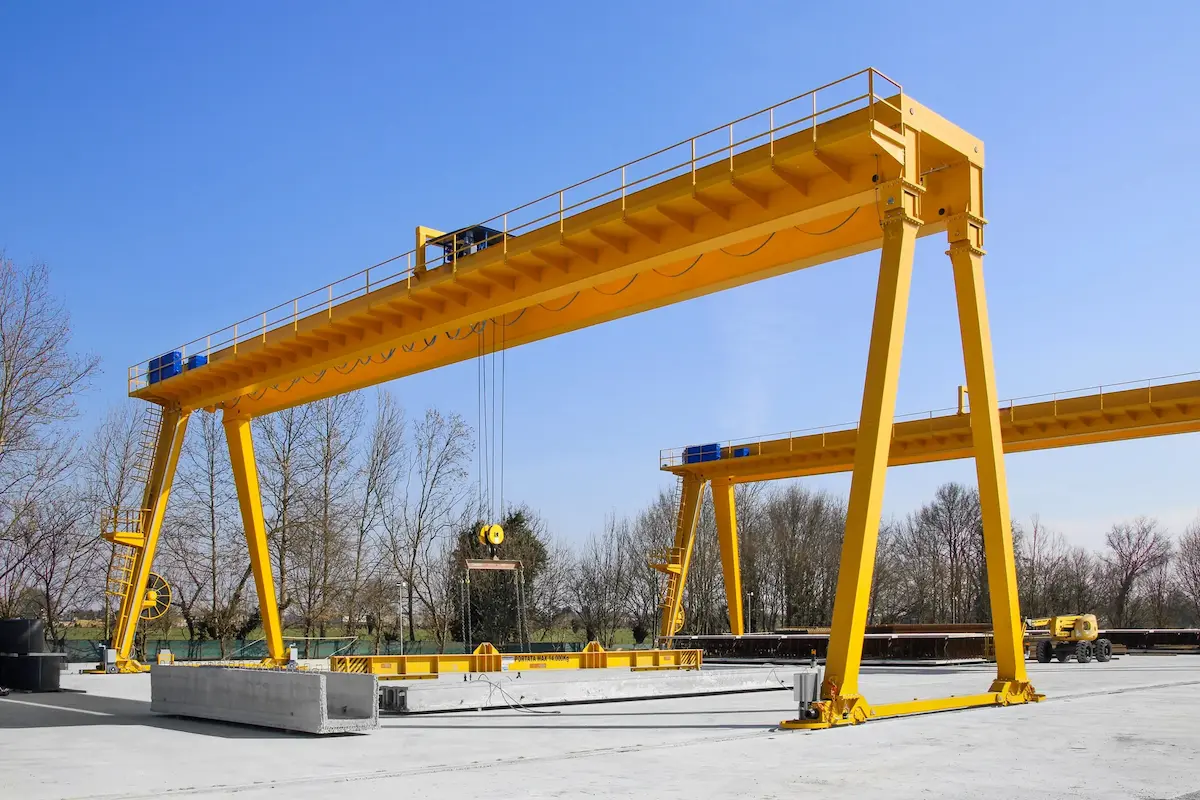
What Is the Working Class of a Gantry Crane?
The crane working class comprehensively reflects equipment busyness and load status. ISO and FEM standards classify it using A1 to A8. Simply put, it answers two main questions:
1.How many hours does this crane work daily?
2.How heavy are the lifted loads? Are they often fully loaded or mostly light cargo?
In national standards, the working class (A) is jointly determined. It depends on the utilization class (U) and load spectrum (Q).
Load Spectrum (Q): How Heavy Do You Often Lift?
The load spectrum reflects the frequency of lifting maximum capacity. It is divided into four distinct levels:
|
Load Spectrum Code |
State Name |
Practical Application Description |
Typical Scenarios |
| Q1 | Light | It rarely lifts the rated maximum load. It usually handles very light items. | Hydropower station installation and maintenance. Occasional mold replacement. |
| Q2 | Medium | It occasionally lifts the maximum load. It handles medium-weight items daily. | General machining workshops and assembly lines. |
| Q3 | Heavy | It frequently lifts the maximum load. It handles heavier items daily. | Busy steel markets and heavy equipment manufacturing. |
| Q4 | Extra Heavy | It lifts the rated maximum load almost every time. | Ladle handling in metallurgical workshops and container terminals. |
Utilization Class (U): How Long Do You Use It Daily?
Utilization class reflects total work cycles over the design life. This usually translates into actual daily operating hours:
|
Utilization Class Code |
Busyness Level |
Estimated Daily Operating Time (For Reference) |
| U1 – U3 | Rare / Occasional Use | Operating less than 2 hours daily. |
| U4 | Frequent but Intermittent Use | Operating 2 to 4 hours daily. |
| U5 | Frequent Use | Operating 4 to 8 hours daily. |
| U6 – U7 | Continuous, High-Frequency Use | Operating 8 to 16 hours daily in two shifts. |
| U8 – U9 | Extreme Continuous Use | Operating 24 hours continuously in three shifts. |
Combining these two determines the specific working class from A1 to A8. A1 and A2 are rarely used in gantry cranes. We will focus on analyzing A3 to A8.
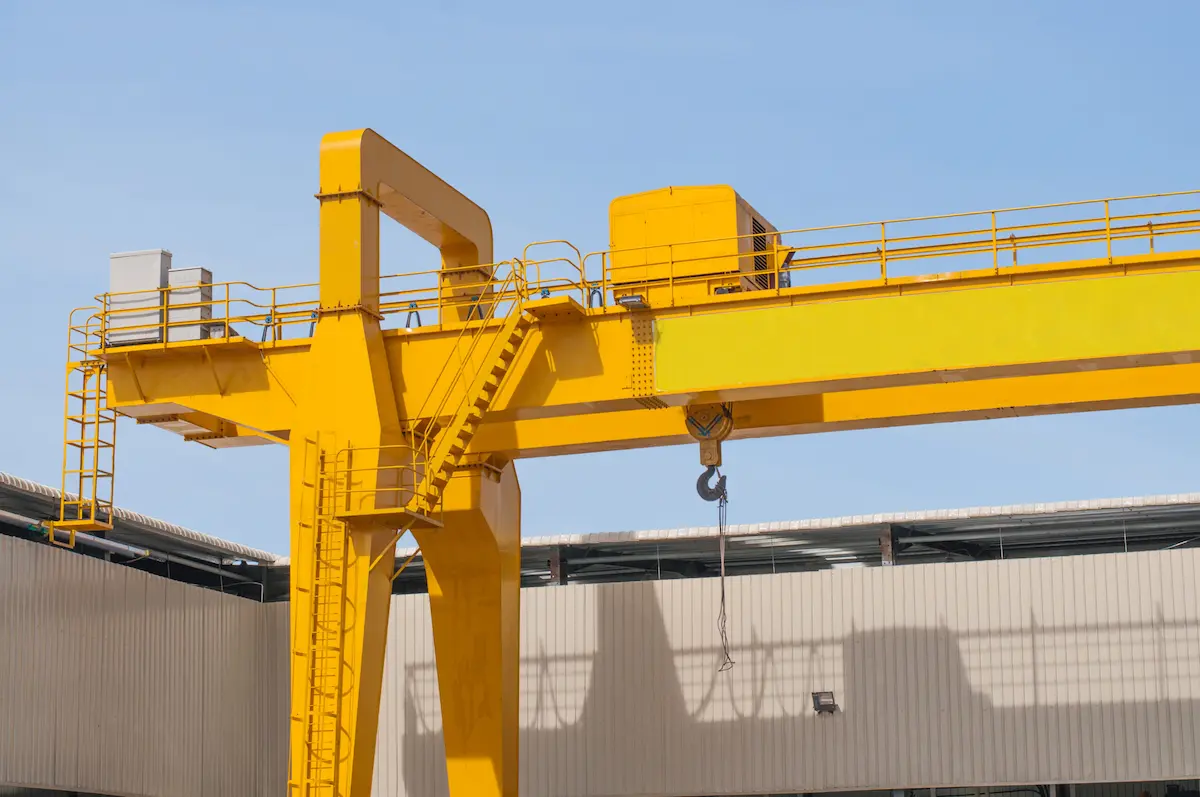
Gantry Crane Duty Classes (A3-A8): Quick Selection Guide
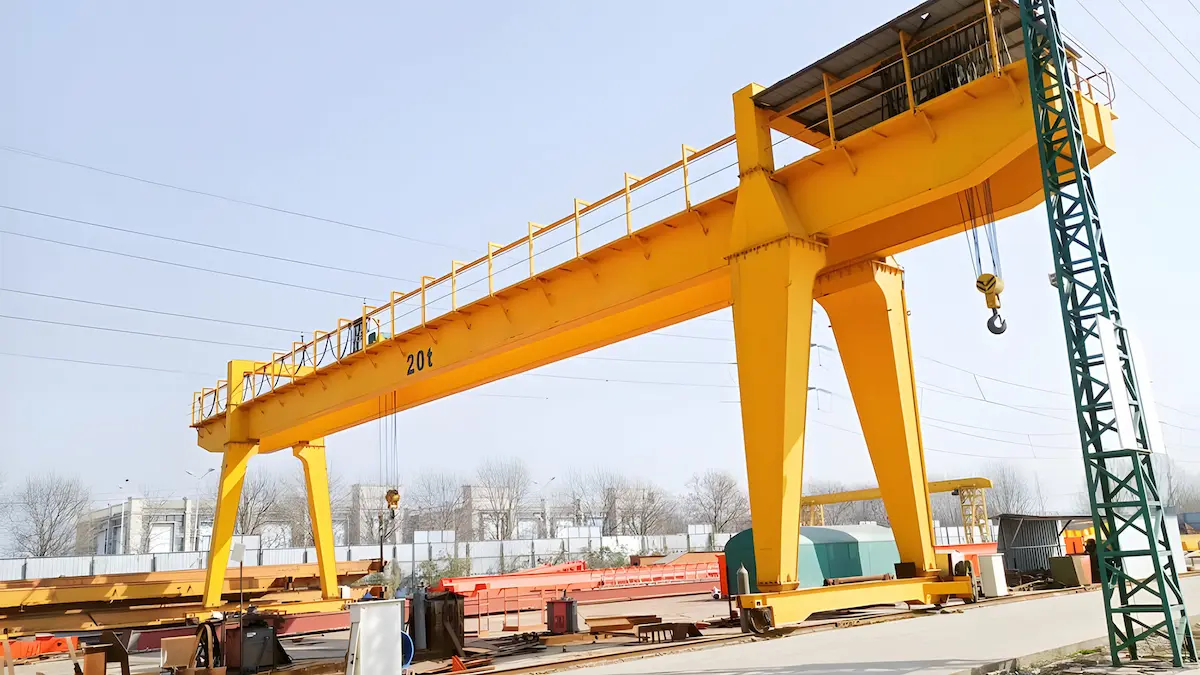
To help you easily match the right equipment to your site, here is a straightforward breakdown of typical application scenarios:
|
Class |
Duty |
Usage Profile |
Typical Applications |
Engineer’s Advice |
| A3 | Light | Low frequency, rarely fully loaded. | Plant maintenance, warehouse spares, light industry. | Perfect for standby use. Highly cost-effective to prevent budget waste. |
| A4 | Medium-Light | Short daily operations, usually <50% load. | Machining loading, building materials, small precast molds. | Affordable entry-level choice for standard, non-intensive daily tasks. |
| A5 | Medium | Frequent 8-hour shifts, moderate loads. | Machinery assembly, freight yards, steel markets, construction. | The mainstream standard. When in doubt for general manufacturing, A5 is your safest bet. |
| A6 | Heavy | Multi-shift, continuous, near full load. | Ports, scrap yards, cement plants. | Essential for harsh conditions. Mandatory if using grab buckets or electromagnets. |
| A7 | Extra Heavy | 24/7 high-intensity, zero downtime tolerance. | Steel mills, shipyards, busy railway hubs. | Tailored for heavy industry. Safety is paramount—never compromise your budget here. |
| A8 | Super Heavy | 24/7/365 nonstop max load. | Automated container terminals, massive metallurgy. | The industry pinnacle. You aren’t just buying a crane, but a continuous production system. |
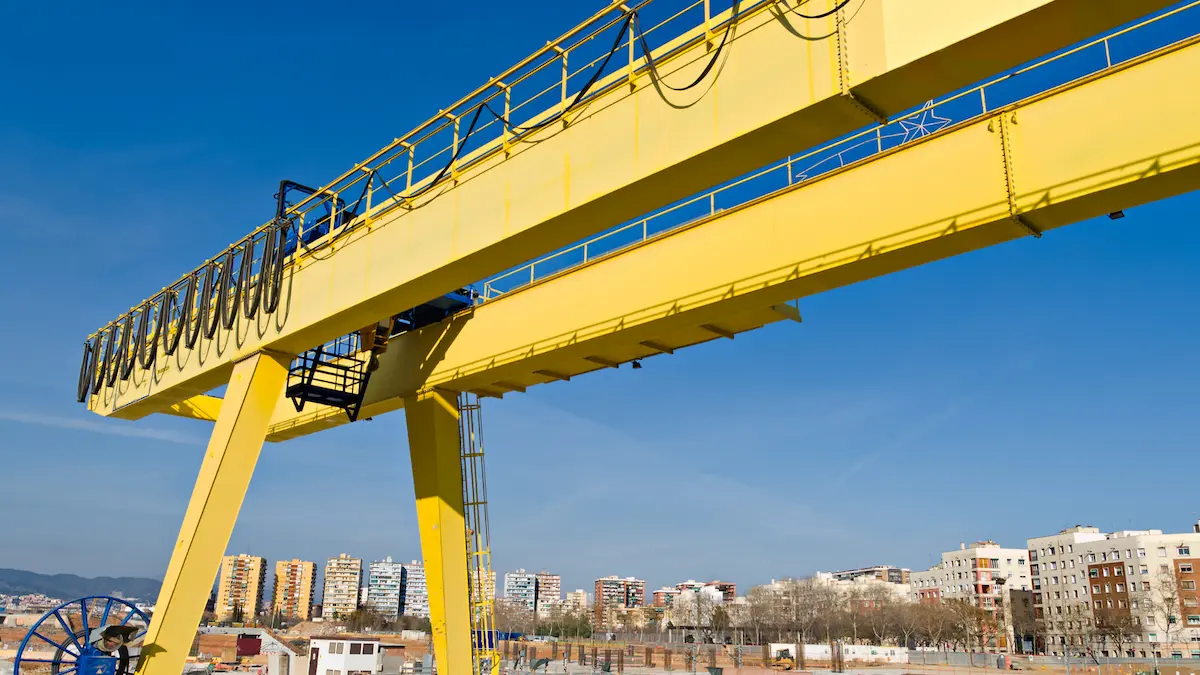
What Are the Differences Between Equipment Levels at the Same Tonnage?
Many clients ask: “If both are 10-ton gantry cranes, what differs between A3 and A6 besides labels?” It’s like two five-seat cars. One is a family sedan, and the other is a military off-road vehicle. When upgrading from A3 to A6, the gantry crane changes fundamentally in four core aspects:
●Metal Structure (Skeleton): A6 uses thicker main girder plates for higher fatigue strength. Under high frequency, A3 girders may deflect or crack. They fail from long-term stress fatigue. Meanwhile, A6 remains as stable as a mountain.
●Drive System (Heart): A6 equips more powerful hoisting and traveling motors with better cooling. They withstand hundreds of frequent jogs and plug braking hourly. They will not overheat easily.
●Transmission Mechanism (Joints): Wheel diameters are larger to reduce wheel pressure. Gearbox materials and heat treatments are vastly superior. This multiplies their wear resistance significantly.
●Wire Rope and Drum (Blood Vessels): Higher-class gantry cranes use larger drum and pulley ratios. This significantly reduces wire rope bending fatigue. It extends the rope replacement cycle.
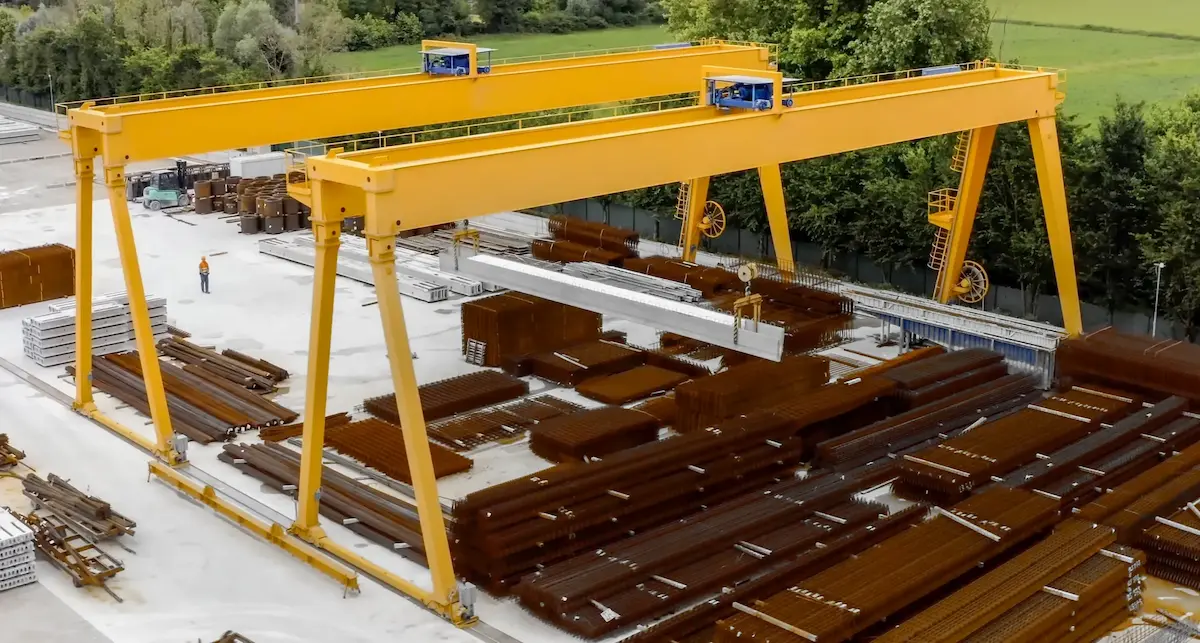
Selection Pitfalls: Never Make These 3 Mistakes During Procurement
During actual negotiations, we compiled three major pitfalls clients easily fall into. Please check carefully:
Pitfall 1: Equating “Lifting Capacity” With “Working Class”.
●Wrong Concept: “I lift very heavy 50-ton items, so I must buy A7!”
●Correct Cognition: Capacity only represents power. If you lift a 50-ton transformer once yearly, A3 or A2 suffices. Only “heavy and frequent” lifting requires high classes.
Pitfall 2: Ignoring the Impact of Attachments.
●Wrong Concept: “We used A5 with hooks before. Now we use grabs for coal, so A5 is fine.”
●Correct Cognition: Grabs and electromagnets create huge impacts. They operate frequently at full loads. Gantry cranes with these attachments must select class A6 or above.
Pitfall 3: Blindly Pursuing High Configurations Wastes Funds.
●Wrong Concept: “Higher classes break less easily. I have money, so I’ll buy A7 for normal use.”
●Correct Cognition: A7 equipment has large deadweight and wheel pressure. It demands extremely high foundation and track capacities. Blindly pursuing high classes wastes procurement money. It also doubles foundation modification costs. The best choice is what fits.
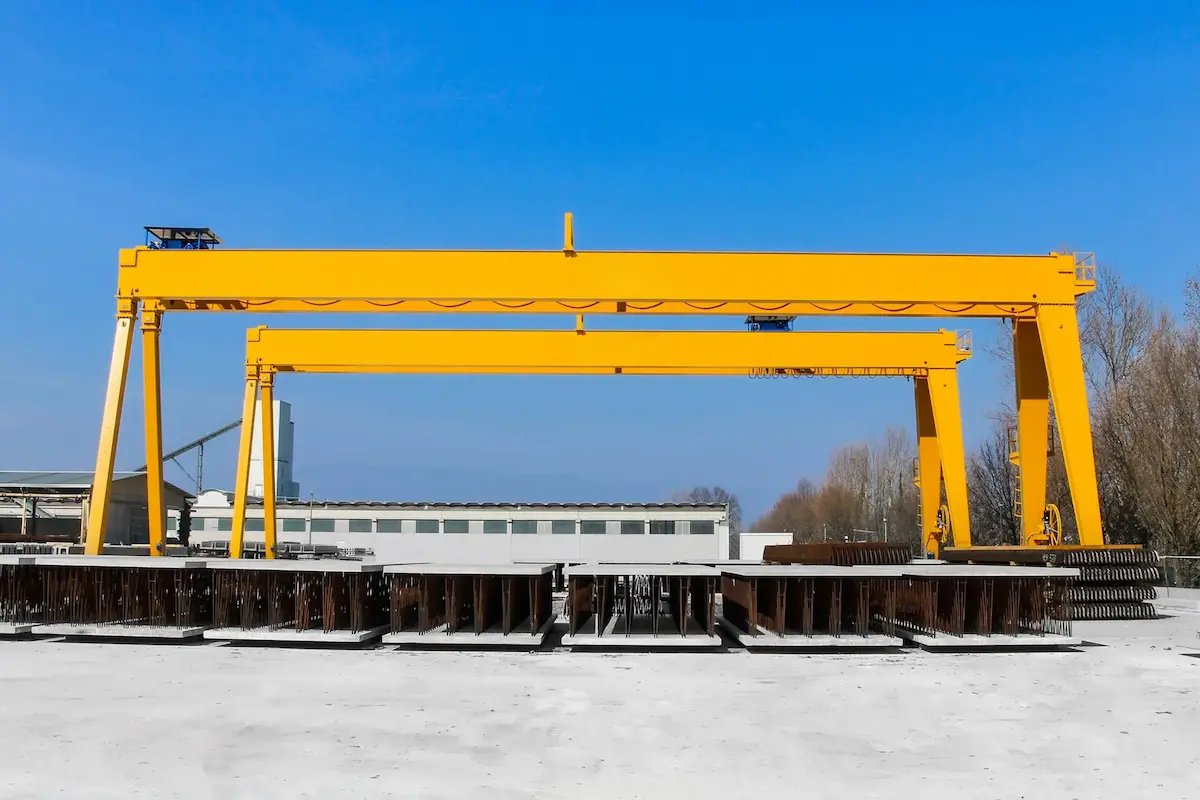
Summary and Recommended Action Plan
Choosing a gantry crane working class is basically calculating ROI. Picking the right class early is crucial. It minimizes later maintenance costs and downtime losses. You can use this three-step method for quick self-assessment:
1.How many hours must this gantry crane operate continuously every day?
2.What percentage of daily loads approach the maximum rated capacity?
3.How much economic loss occurs if sudden breakdowns halt production for half a day?
Don’t worry if you are still unsure about these figures. As professional crane manufacturers, we provide free services. These include on-site condition surveys and selection consulting. Prepare your usage scenarios, estimated capacity, and span. Contact our sales engineer team directly. We combine decades of manufacturing experience. We will provide a detailed technical plan tailored for you. It ensures production safety without wasting a single penny.
[Click here to contact the HSCRANE technical team]
This document is for reference only. Specific operations must strictly comply with local laws and regulations and equipment manuals.
Recent Post