Blog
- Home
- Blog
What Factors Affect Overhead Crane Prices? A Complete Cost Guide for Buyers
Abstract
In industrial equipment procurement, the price span of an overhead crane is substantial, ranging from tens of thousands to millions of yuan. Even for the same overhead crane, quotes can vary significantly based on different manufacturers, tonnages, and operating conditions. The core reasons impacting price lie in equipment configurations, structural designs, operating environments, and customized requirements. For corporate procurement personnel, merely comparing unit prices easily leads to selection deviations. An overhead crane is non-standardized equipment. Its ultimate cost is typically determined by multiple factors, including main girder structure, lifting capacity, span, work duty, electrical system, operating environment, and installation transport.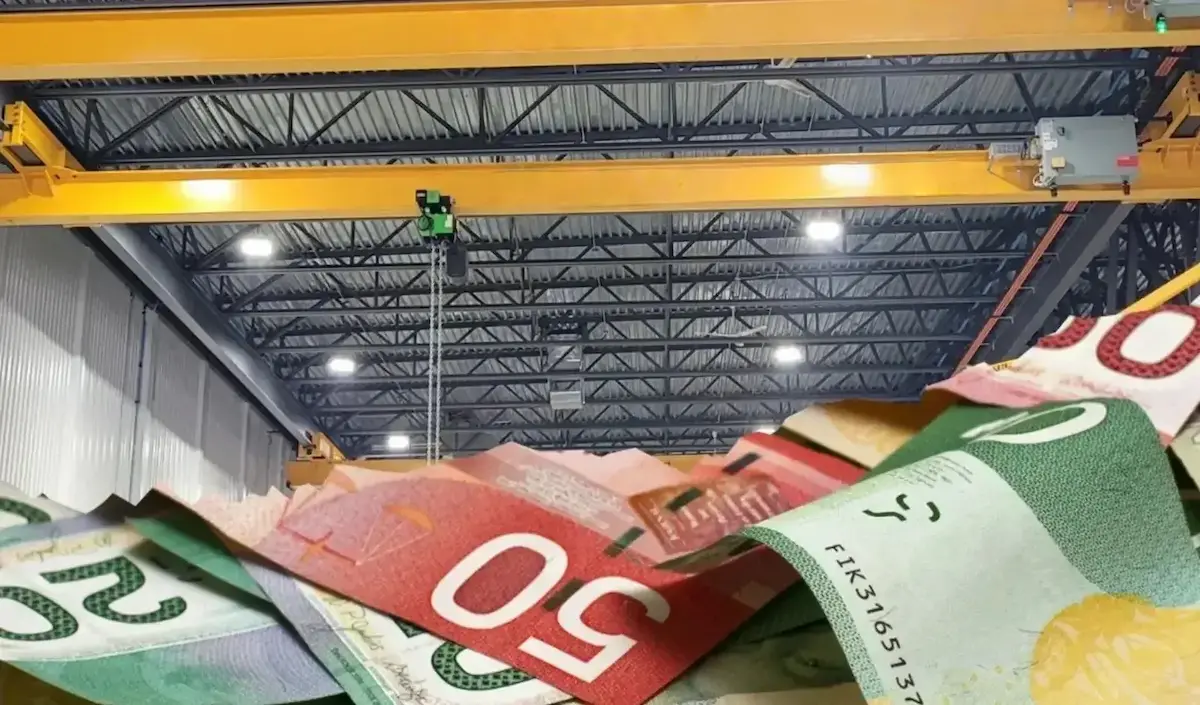
Lifting Capacity is the Core Factor Impacting Overhead Crane Prices
Overhead crane tonnage directly determines steel structure usage, motor power, gearbox specifications, and overall load-bearing capacity. Therefore, it is the key variable in price fluctuations. Common tonnages include 1 ton, 5 tons, 10 tons, 20 tons, 32 tons, 50 tons, and over 100 tons. As lifting capacity increases, main girder dimensions, wheel load designs, and safety redundancy requirements rise simultaneously. For example:
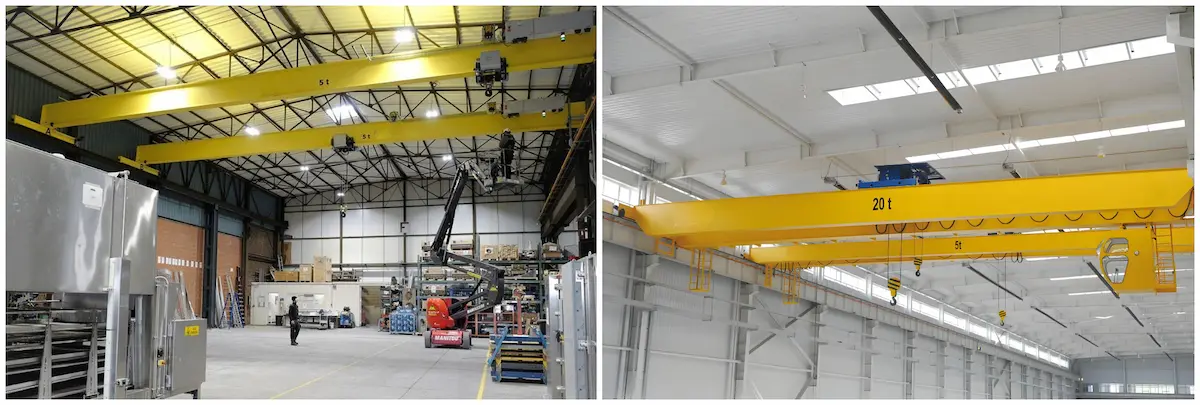
●A 5-ton single-girder overhead crane is suitable for light machining workshops.
●A 20-ton double-girder overhead crane is mostly used in machinery manufacturing and steel structure workshops.
●Overhead cranes over 50 tons are typically used in metallurgy, heavy manufacturing, and large equipment assembly.
High-tonnage equipment not only increases material costs but also demands more from runway beams, building load-bearing structures, and control systems. Consequently, prices grow in steps rather than linearly.
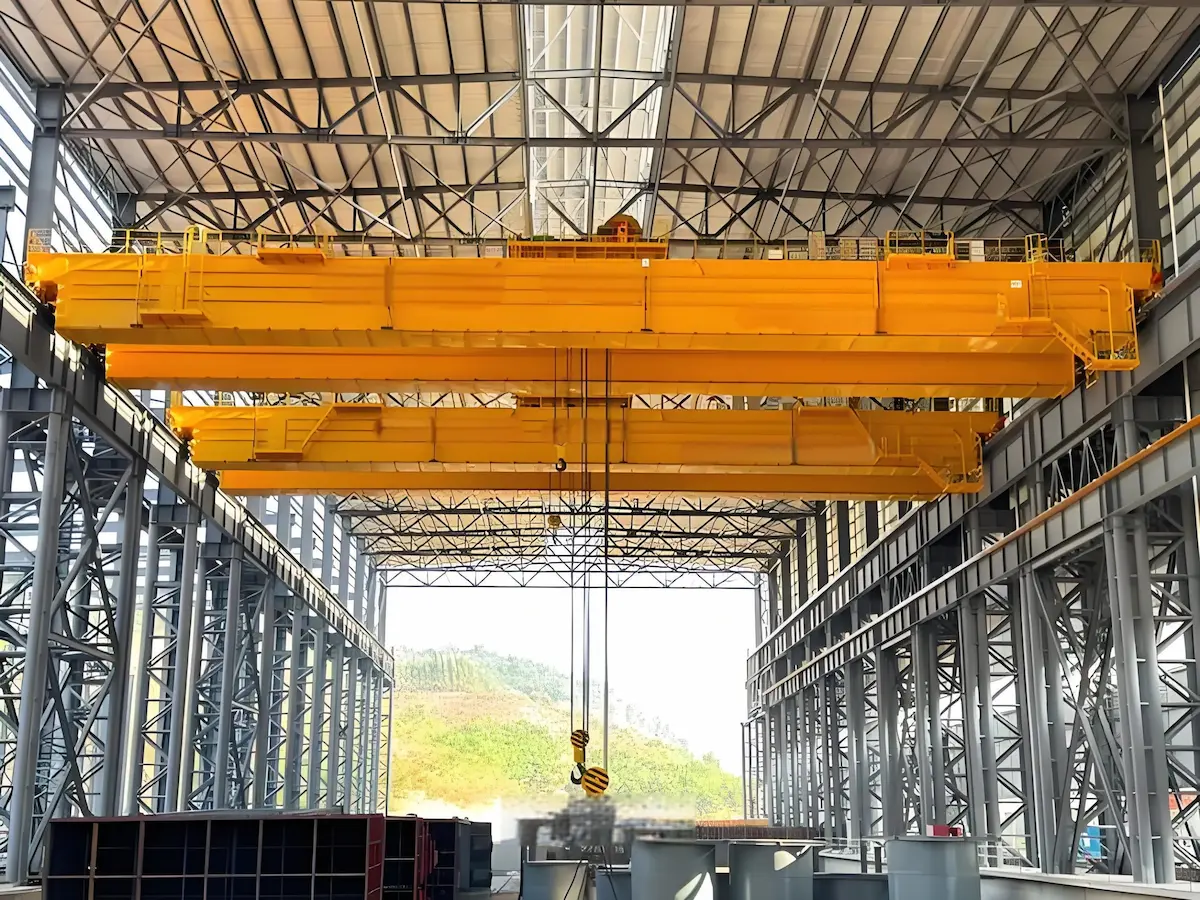
Single-Girder vs. Double-Girder Structures Determine Equipment Cost Differences
An overhead crane is primarily classified into single-girder and double-girder configurations. These two types exhibit clear differences in manufacturing costs and application scenarios.
|
Comparison Dimension |
Single-Girder Overhead Crane |
Double-Girder Overhead Crane |
| Applicable Tonnage | 1–20 tons | 5–500+ tons |
| Equipment Structure | Single main girder design; lightweight structure. | Double main girder design; stronger load-bearing capacity. |
| Manufacturing Cost | Less steel and component usage; lower overall cost. | More complex steel structure and drive system; higher cost. |
| Hoisting Mechanism | Mostly utilizes electric hoists. | Mostly utilizes winch trolley structures. |
| Lifting Height | Relatively limited. | Achieves higher lifting heights. |
| Work Duty (Class) | Commonly A3–A5. | Commonly A5–A8. |
| Operational Stability | Suitable for low-to-medium frequency operations. | Better suited for high-frequency, heavy-duty continuous operations. |
| Installation Requirements | Lower load-bearing demands on the factory building. | Higher demands on runway beams and factory structures. |
| Energy Consumption | Relatively lower. | Higher power requirements. |
| Typical Applications | Warehousing, assembly, machining. | Steel structure fabrication, metallurgy, heavy industry, equipment manufacturing. |
| Procurement Cost | Lower initial investment. | Higher initial investment, but optimal for long-term heavy-duty operation. |
Span and Lifting Height Directly Escalate Manufacturing Costs
Span refers to the distance between runway rail centerlines, while lifting height denotes the maximum travel distance of the hook. As span increases, main girder deflection control requirements tighten, which demands:
●Increasing steel cross-sectional dimensions.
●Enhancing girder rigidity.
●Optimizing anti-deflection designs.
For example, comparing a 10-ton overhead crane with a 10-meter span against one with a 25-meter span, the price difference can exceed 30%. Similarly, increased lifting height requires longer wire ropes, larger drum specifications, and upgraded motor power, which raises equipment costs. During the overhead crane selection stage, calculations should combine factory height, equipment layout, and actual handling paths to avoid purchasing cost inflation from redundant parameters.
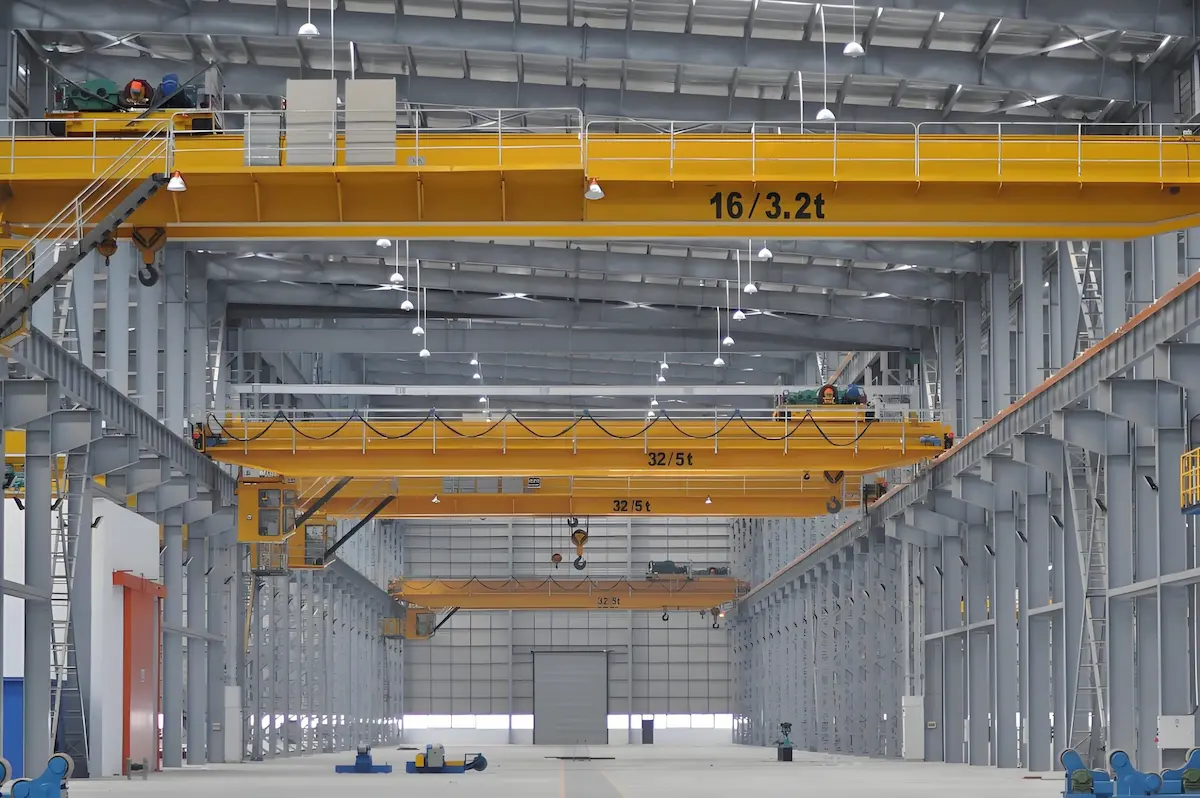
Work Duty Class Decides Equipment Durability and Pricing
An overhead crane is classified into different work duties based on operation frequency and load state, with common classes including A3, A4, A5, A6, and above. Higher work duty classes signify:
●Higher utilization frequencies.
●Longer continuous operation times.
●Larger shares of full-load conditions.
High-class overhead cranes typically require:
●Longer-life gearboxes.
●Heavy-duty motors.
●High-strength steel.
●More wear-resistant braking systems.
For example:
●Class A3 is suitable for low-frequency warehouse handling.
●Class A5 is suitable for machinery manufacturing.
●Class A6 and above are commonly used in steel mills, metallurgy, and heavy industries.
Mistakenly choosing a low work duty class can lower the initial purchase price, but subsequent maintenance costs and downtime risks increase significantly.
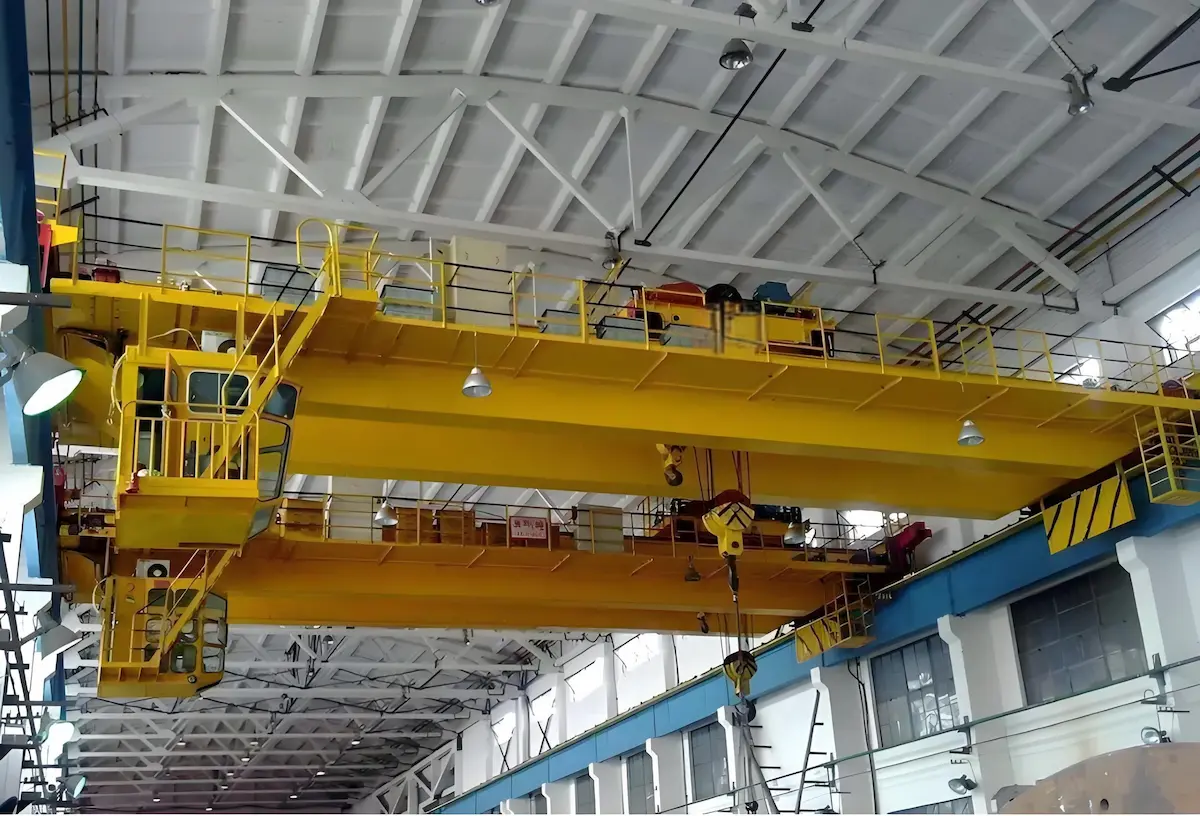
Electrical System Configurations Impact Overall Quotes
The electrical system determines the control precision, safety, and automation levels of an overhead crane.
|
Configuration Item |
Basic Configuration |
Upgraded Configuration |
Price Impact |
Applicable Operating Conditions |
| Control Method | Contactor control | PLC smart control | Medium to High | Automated production lines, complex lifting. |
| Operation Method | Pendant control | Wireless remote control | Low to Medium | Large spans, workshops with high safety requirements. |
| Speed Regulation | Fixed frequency operation | Inverter control (VFD) | Medium | High-frequency start-stop, precise positioning. |
| Startup Mode | Direct startup | Soft starter control | Medium | Heavy-duty operations, reducing mechanical shock. |
| Positioning Accuracy | Conventional positioning | Precise positioning system | Medium to High | Mold lifting, precision manufacturing. |
| Anti-Sway Function | None | Smart anti-sway system | High | Large tonnage, high-altitude lifting. |
| Fault Management | Manual troubleshooting | Remote fault diagnosis | Medium | Large factories, continuous production lines. |
| Safety Protection | Basic limit protection | Multiple interlock protection system | Medium | High-risk, high-frequency operating conditions. |
| Cable System | Standard industrial cable | High-temperature / anti-corrosion cable | Medium | Metallurgy, ports, chemical environments. |
| Automation Level | Semi-automatic operation | Intelligent integrated control | High | Smart factories, unmanned workshops. |
Upgrading an overhead crane electrical system typically increases initial procurement costs, but enhances operational stability, control precision, and equipment life. For example, variable frequency drive (VFD) systems reduce startup shocks, lowering wear on gearboxes and brakes. Wireless remotes and anti-sway systems enhance operational safety under complex conditions, while PLC automatic control fits automated production lines and smart factory projects. For high-frequency operation scenarios, prioritizing core electronic control upgrades usually offers greater long-term economic value than lowering equipment configurations.
Special Operating Conditions Will Significantly Increase Overhead Crane Prices
Different operating environments dictate distinct design requirements for an overhead crane.
|
Special Operating Condition |
Custom Requirements |
Core Configuration Upgrade |
Price Impact |
Typical Application Industry |
| Explosion-Proof Environment | Prevent sparks from electrical equipment. | Explosion-proof motors, enclosures, buttons, and anti-static designs. | High | Petroleum, chemical, dust workshops. |
| High-Temperature Environment | Enhance heat resistance of equipment. | Heat-resistant cables, insulation shields, special bearings, and high-temp lubricants. | Medium to High | Metallurgy, foundry, steel industries. |
| Corrosive Environment | Improve anti-corrosion capability. | Anti-corrosion coatings, stainless steel components, and protected electrical systems. | Medium to High | Ports, marine engineering, chemical plants. |
| Humid Environment | Prevent electrical short circuits and rust. | High-IP-rated control enclosures, moisture-proof motors, and rust prevention. | Medium | Water treatment plants, underground workshops. |
| Dusty Environment | Reduce risk of dust entering equipment. | Sealed motors, dust covers, and high-IP-rated components. | Medium | Cement plants, mines, building material industries. |
| Outdoor Environment | Boost wind and rain resistance. | Rain covers, storm-lock rail clamps, and weathering steel structures. | Medium to High | Ports, stockyards, open-air storage. |
| Ultra-Low Temp Environment | Guarantee stability in freezing cold. | Low-temperature steel, low-temp lubricants, and anti-freeze cables. | High | Cold storage, projects in extremely cold regions. |
| High-Frequency Heavy Load | Increase continuous operation capability. | Heavy-duty gearboxes, long-life brakes, and inverter control systems. | High | Steel structure fabrication, heavy industry. |
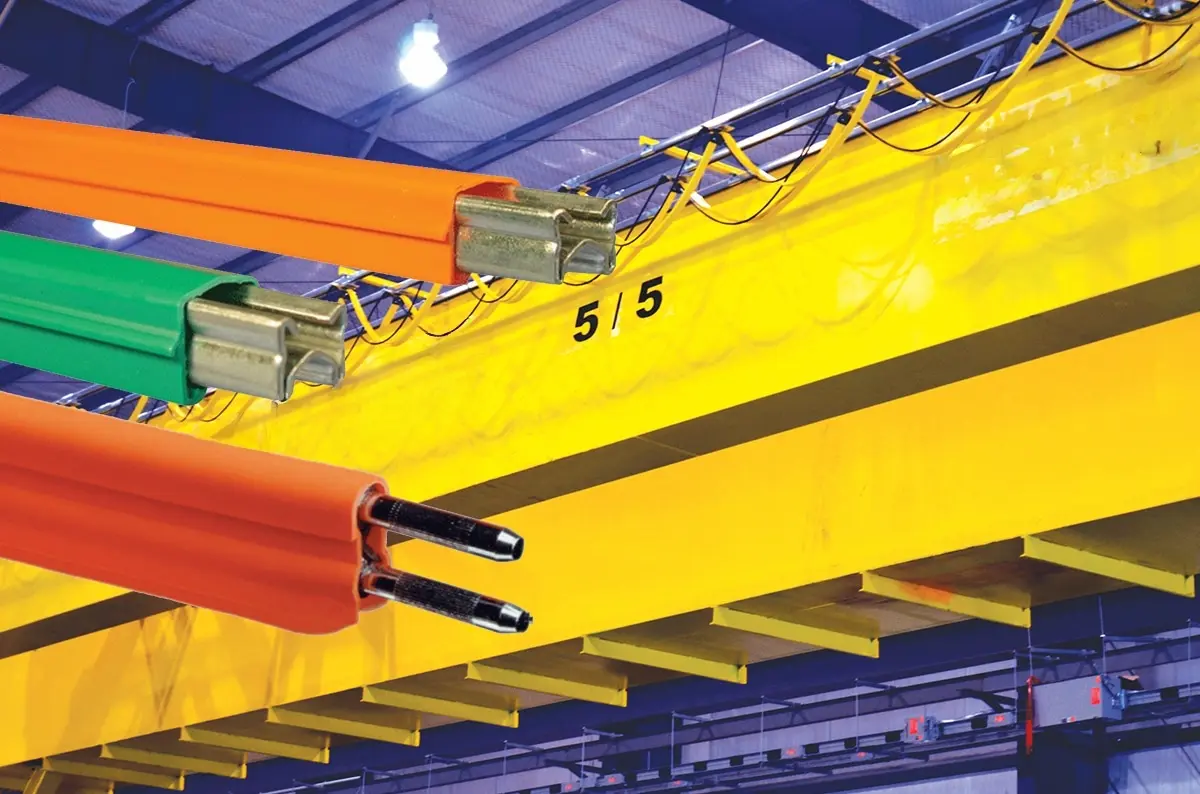
Special operating conditions increase the design complexity and core component costs of an overhead crane. For instance, explosion-proof overhead cranes must comply with hazardous area safety standards. High-temperature environments require adding thermal insulation and heat-resistant designs, whereas corrosive environments demand higher protection ratings and material durability. Therefore, during the overhead crane quoting phase, site conditions must be clearly specified to avoid increasing overall project costs through later modifications or insufficient configurations.
Brands, Core Components, and Manufacturing Standards Impact Long-Term Costs
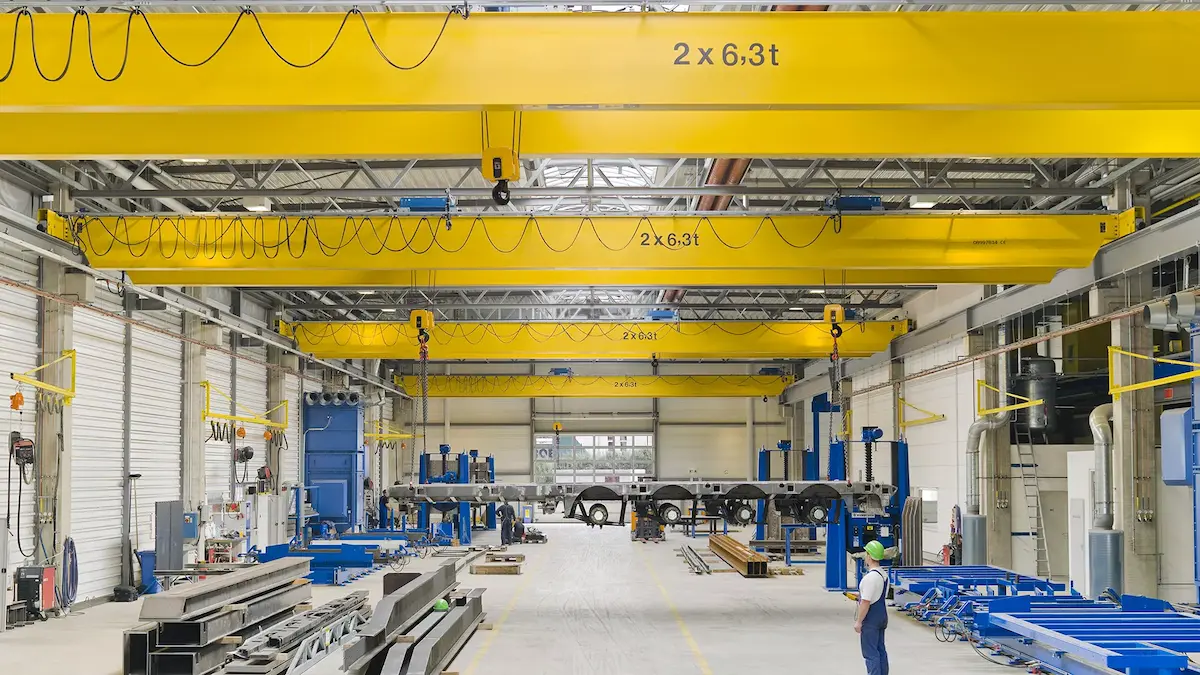
An overhead crane procurement should not merely compare initial purchase prices; it must focus on lifecycle costs. Core component brands directly impact equipment reliability, including:
●Motor brands.
●Gearbox brands.
●Electrical components.
●Wire ropes and brakes.
An overhead crane utilizing international brands or high-standard manufacturing processes requires a higher initial investment. However, it delivers lower maintenance frequencies, minimal downtime losses, and a longer service life. For high-intensity, continuous production lines, equipment stability is typically far more critical than the purchase price.
How to Reasonably Control Overhead Crane Procurement Costs
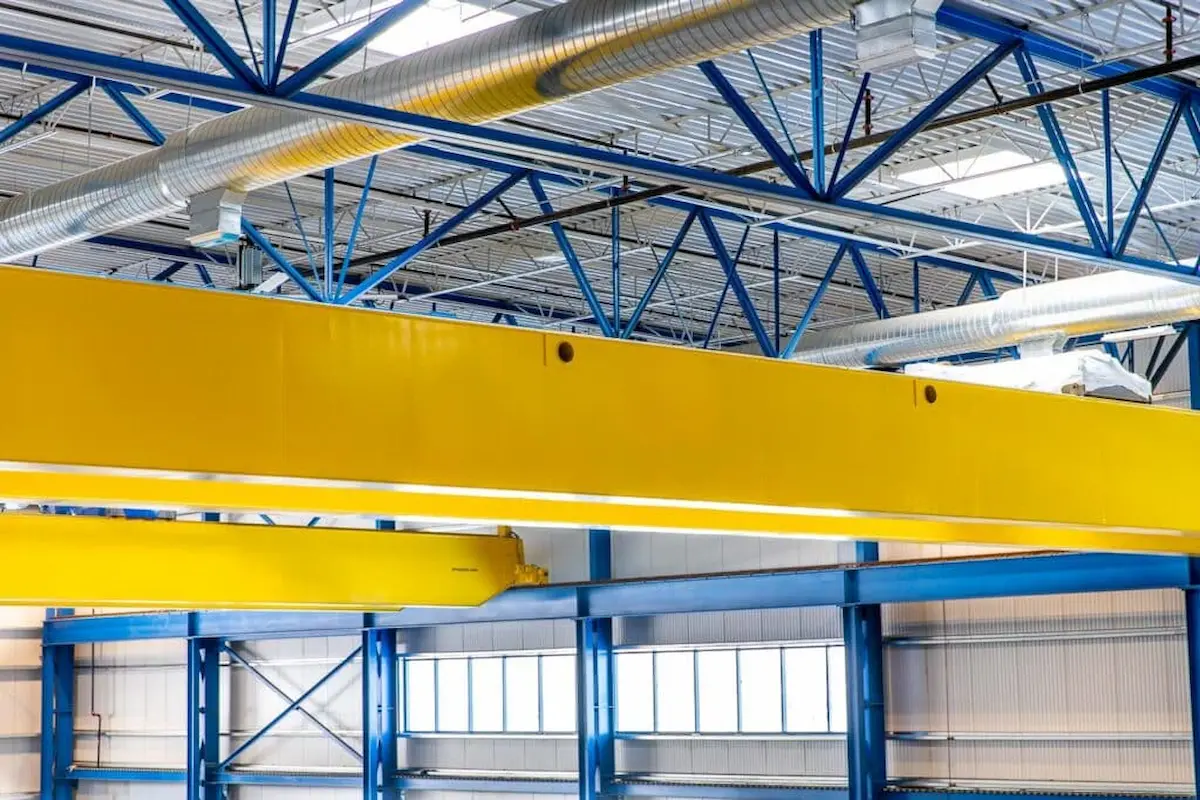
The key to reducing procurement costs is not selecting the lowest price, but achieving configuration alignment. It is recommended to focus on:
1.Selecting tonnage based on actual working conditions.
2.Avoiding excessive redundancy in span and lifting height.
3.Choosing the work duty class according to utilization frequency.
4.Prioritizing the reliability of core components.
5.Clarifying the scope of transportation, installation, and after-sales service.
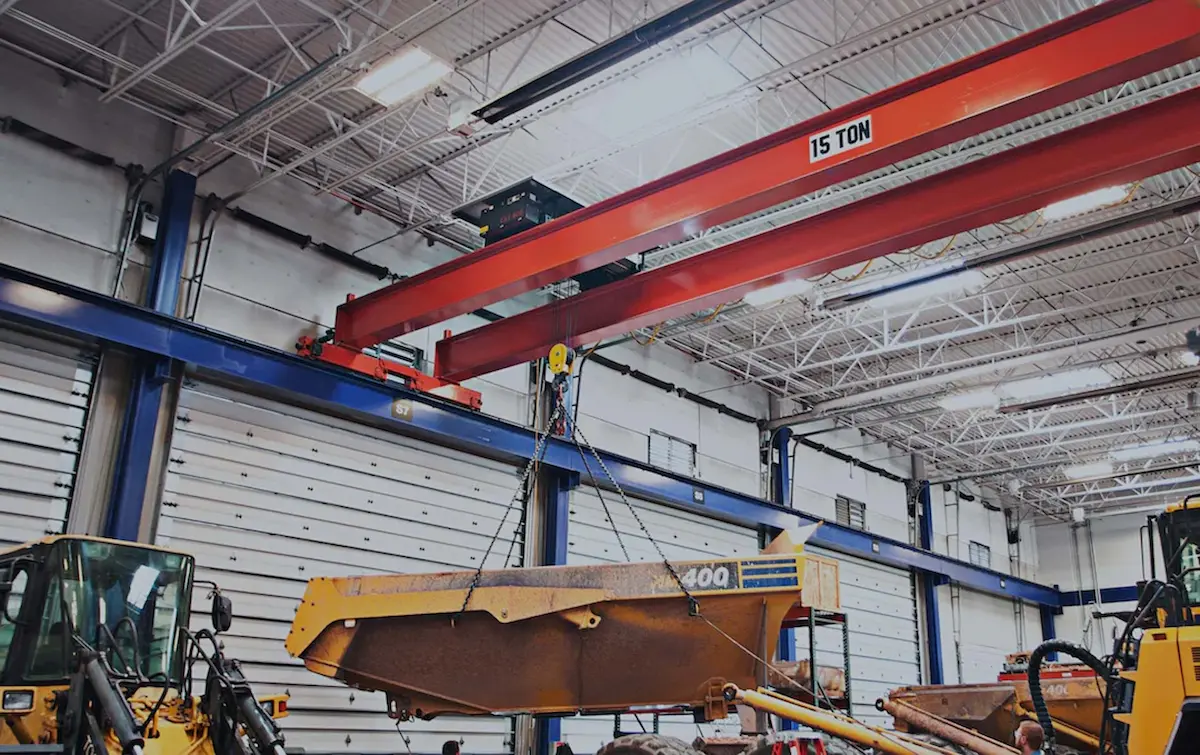
An overhead crane represents long-term fixed asset equipment. Proper model selection can lower maintenance expenses, reduce downtime, and improve production efficiency.
Conclusion
Overhead crane pricing is influenced by multiple factors, including lifting capacity, span, work duty class, structural form, electrical system, operating environment, and customization needs. When purchasing, businesses should evaluate equipment performance and lifecycle costs based on actual working conditions, rather than using the initial quote as the sole decision baseline. Through scientific selection and reasonable configuration, enterprises can control investment budgets while improving equipment operational efficiency and long-term utility value.
(Disclaimer: This document is for reference only. Specific operations and procurement must strictly comply with local laws, regulations, and respective equipment manuals.)
Recent Post