Blog
- Home
- Blog
Key Factors That Affect Overhead Crane Prices: What Buyers Need to Know Before Purchasing
Introduction
Overhead cranes are critical material handling equipment in modern industrial production and logistics systems. They are widely used in manufacturing, steel plants, warehousing, power industries, and machining workshops. Efficient, reliable overhead cranes serve as baseline infrastructure for production continuity and safety in large assembly operations. They also perform reliably in high-dust, heavy-load metallurgical steel mills. However, many buyers encounter significant confusion during their initial purchasing planning phases. Different manufacturers offer wildly varying price quotes for identical workshop spaces and identical tonnage capacities. Quotes can range from tens of thousands to hundreds of thousands of dollars. This massive price gap makes it extremely difficult for procurement managers to make decisions. Choosing low prices blindly often hidden risks of frequent future equipment failures. Conversely, pursuing high prices blindly leads to severe corporate budget overruns. Therefore, understanding the key factors influencing overhead crane prices is essential. Establishing a clear cost and technical evaluation framework helps companies create reasonable budgets. This allows them to choose highly cost-effective equipment that fits their exact working conditions.
What Components Form Overhead Crane Prices?
To understand final overhead crane quotes, you must first break down their complex equipment and service structures. The price is not a simple machine purchase cost. Instead, it represents a systematic engineering solution composed of three core cost areas:
1. Core Equipment Cost
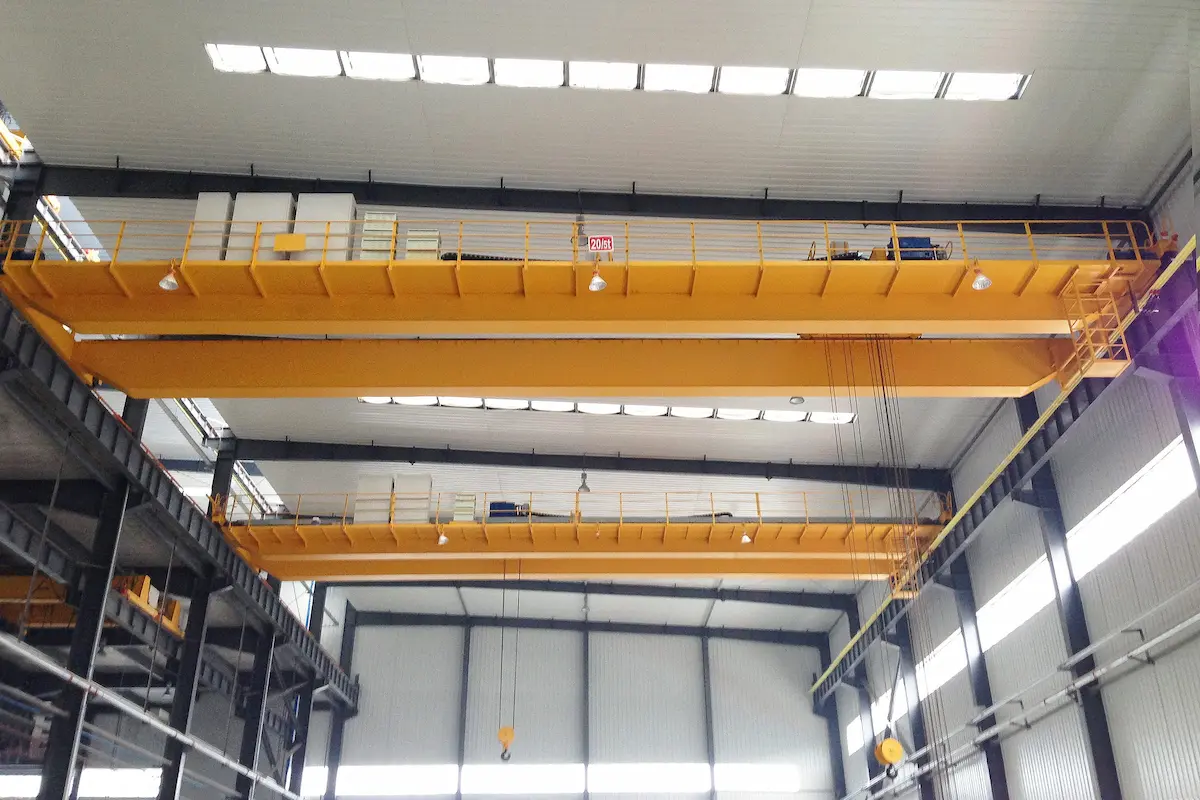
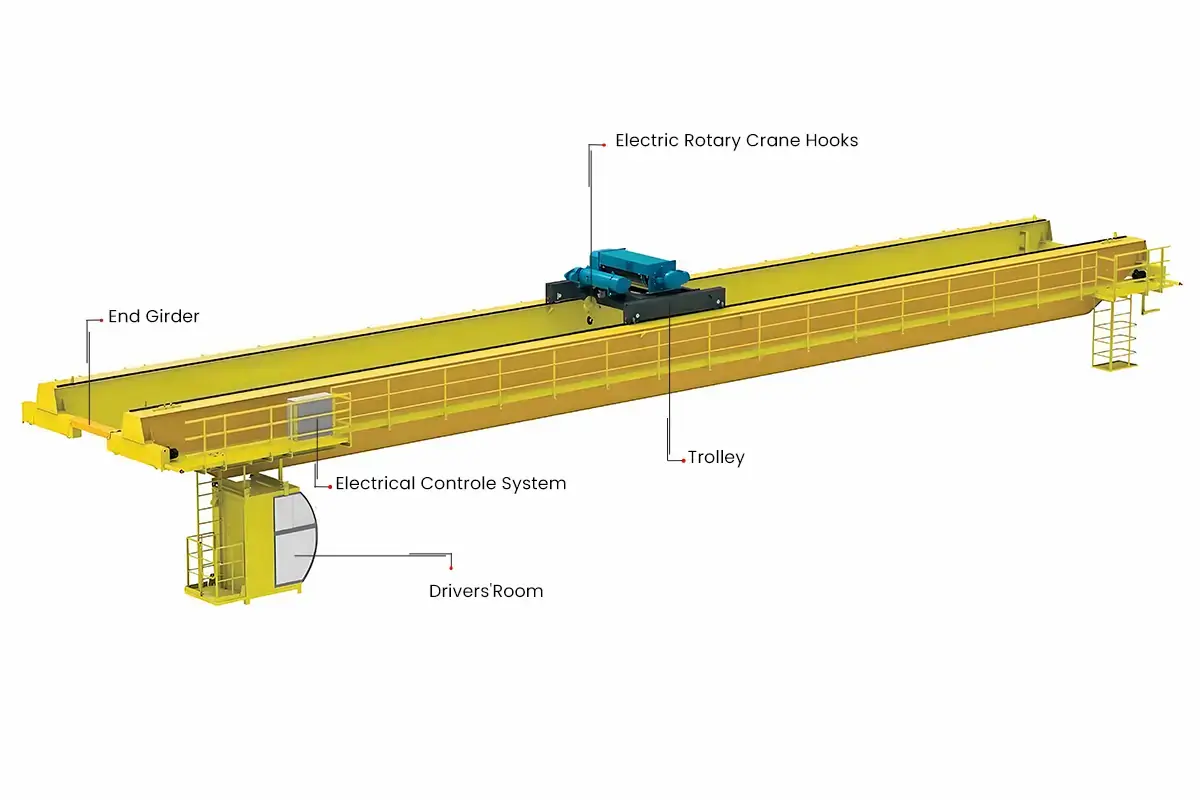
●Main Girder: The skeleton of the overhead crane, supporting the overall weight and rated lifting capacity. Usually welded from high-strength steel plates into box shapes or I-beam structures, it represents the largest material cost.
●End Carriage: Located at both main girder ends, it supports the structure and travels along crane tracks. It includes wheel groups, drive motors, and gearboxes. Its assembly precision directly prevents track wear issues.
●Lifting Mechanism: Acting as the core trolley and lifting assembly, its technical level and brand positioning determine performance. Choices like domestic quality, European lightweight design, or premium imports determine lifting speed, smoothness, and cost.
●Electrical Control System: Includes power distribution cabinets, variable frequency drives, limit switches, master controllers, and festoon systems. Premium electrical control ensures equipment intelligence, soft starts, and precise overall control.
2. Associated Project Expenses
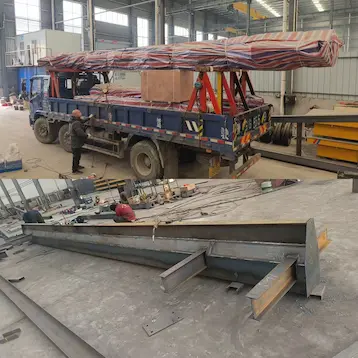
●Transportation Cost: Overhead cranes are oversized, heavyweight special equipment. Main girder spans often reach dozens of meters, requiring specialized extended flatbed trailers. Distance, road conditions, and transport regulations heavily influence these logistics costs.
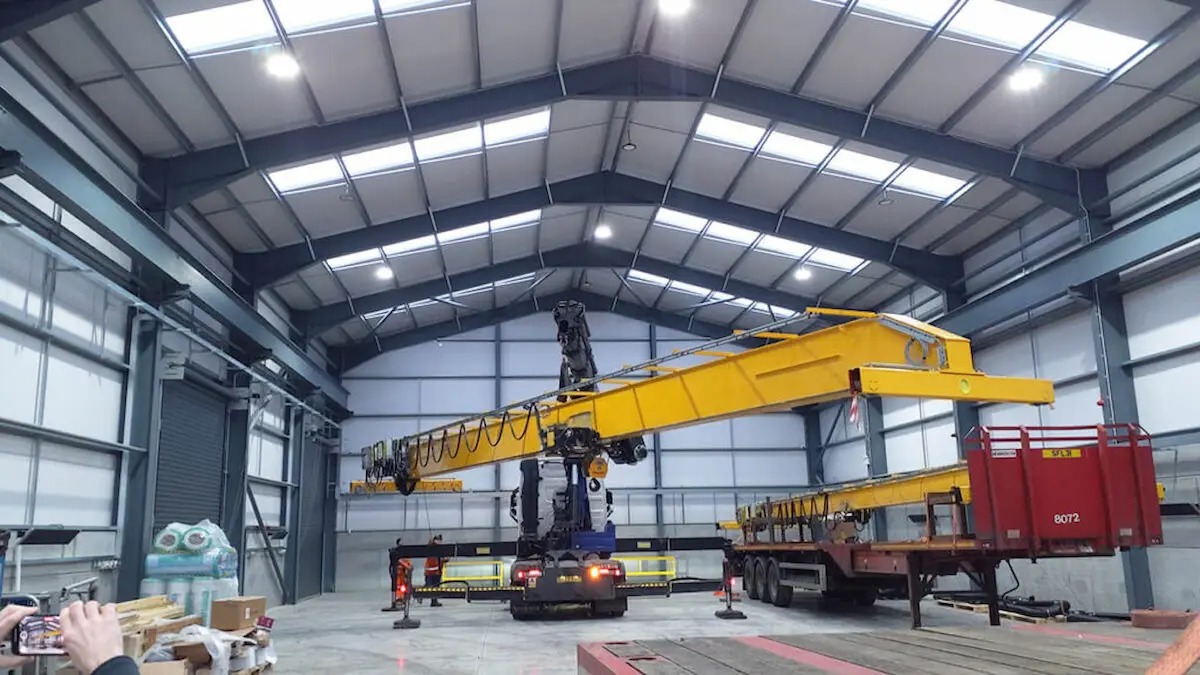
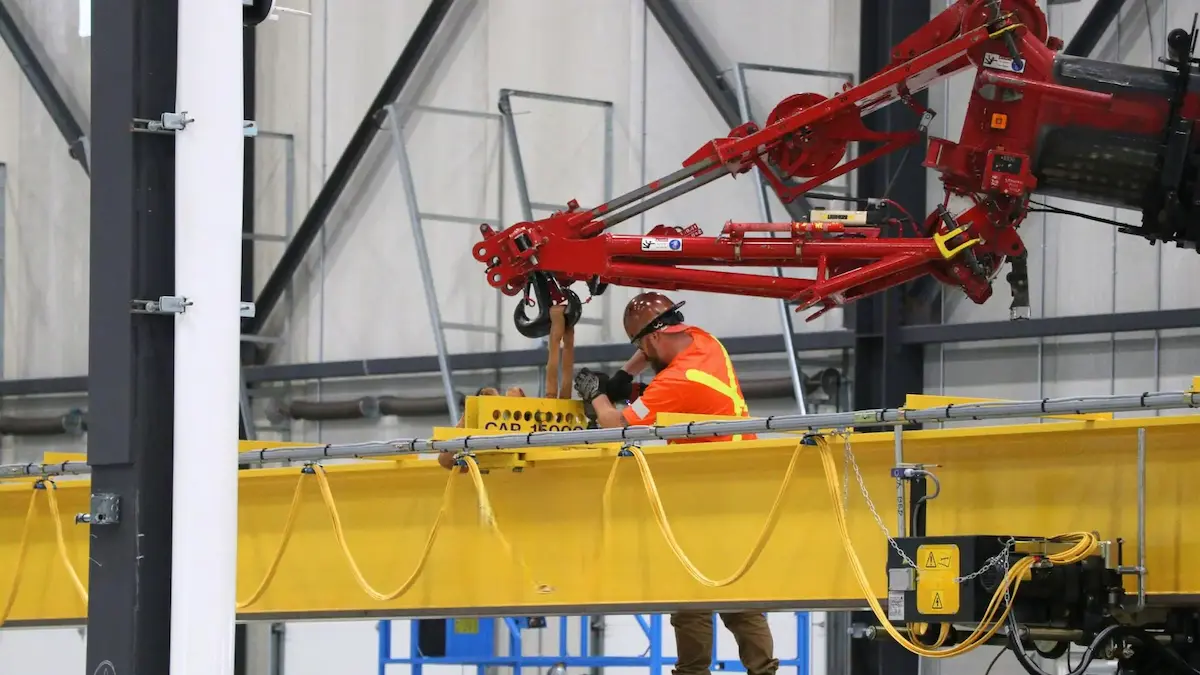
●Installation and Commissioning: After site delivery, heavy mobile cranes hoist the equipment onto high workshop runway beams. Certified technicians perform precise mechanical splicing, electrical wiring, and load testing. This process requires significant labor and equipment costs.
●Training Expenses: Manufacturer technicians train onsite operators and safety managers on safe operations, emergency procedures, and daily inspections. This training ensures the equipment functions safely and complies with regional safety laws.
3. Subsequent Service Costs
●Warranty Service: The standard industry warranty ranges from twelve to twenty-four months for core parts. This commitment includes potential long-distance travel and material costs for the manufacturer.
●Maintenance and Care: Special equipment requires periodic regulatory inspections and daily upkeep. Some manufacturers include the initial year or long-term preventive maintenance services within their total contract price.
●Spare Parts Supply: Stocking wear parts like rope guides, brake linings, and contactors forms part of the price premium. It ensures long-term original parts supply commitments.
Key Factors Influencing Overhead Crane Prices
●Lifting Capacity: Lifting capacity is the most direct factor influencing overhead crane prices. Larger tonnages require stronger girder structures, high-strength steel, premium lifting mechanisms, and robust drive systems, which substantially increase manufacturing costs.
●Span: The span determines bridge length and structural force distribution. Longer spans require more steel and increase engineering, manufacturing, and transport difficulties, thereby raising overall equipment prices.
●Lifting Height: Increased lifting heights mean longer wire ropes, larger drums, and higher-power drive systems. This added material and complexity directly elevate manufacturing expenses.
●Duty Class: The duty class reflects usage frequency and load intensity, ranging from light A3-A4 to continuous heavy A7-A8. Higher classes demand stricter motor, gearbox, brake, and steel structure specifications, increasing prices.
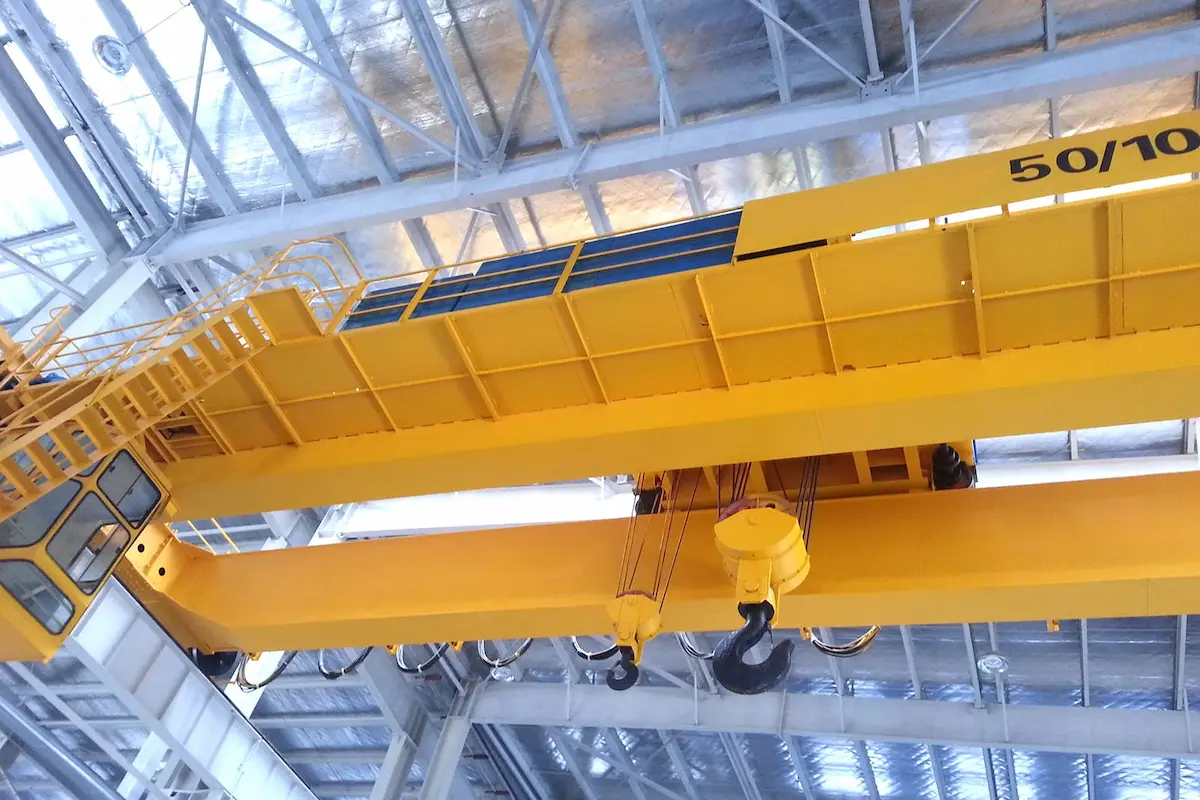
●Single vs. Double Girder Design: Single-girder overhead cranes have simpler structures and lower costs, fitting light-to-medium conditions. Double-girder models offer higher capacities and wider applications but involve significantly higher material and production costs.
●Special Configuration Needs: Configurations like variable frequency drives, wireless remotes, anti-sway systems, smart monitoring, and automatic positioning improve safety and automation but increase initial investment costs.
●Operating Environment: High temperatures, explosion-proof zones, corrosive environments, or low temperatures require special materials and protective designs. These include heat-resistant cables, explosion-proof electrics, and anti-corrosion coatings, leading to higher prices.
●Raw Material Market Fluctuations: Price changes in steel, motors, cables, and electrical components directly affect manufacturing costs. Market trends are an important factor in equipment quotes.
Why Do Quotes Differ Noticeably Among Manufacturers?
To give you a clear view of market price differences, we compare standard configurations using this comprehensive matrix:
|
Evaluation Dimension |
Common Standards of Low-Cost Manufacturers |
Standard Configurations of Premium Manufacturers (e.g., HSCRANE) |
| Design & Engineering | Rely on generic drawing duplication; lack Finite Element Analysis (FEA) for complex conditions. Girder production involves manual operations, causing stress concentration or sagging. | Maintain independent R&D centers; use computer FEA simulation to optimize structures for lightweight and high rigidity. Girders utilize automated submerged arc welding and CNC cutting. |
| Quality Control System | Simplified inspection processes; lack thorough steel plate shot-blasting processes (using basic surface painting instead). Low weld inspection rates; no large full-load factory testing fields. | Strictly execute ISO9001 and special equipment manufacturing codes. Steel plates undergo shot blasting to Sa2.5 grade; core butt welds receive 100% ultrasonic and radiographic testing. |
| Core Components | Select generic motors and gearboxes from unknown small factories. Electrical systems use basic contactor control instead of VFDs, causing oil leaks, overheating, or poor contacts. | Feature international or domestic top-tier brands as standard. Long travel and cross travel utilize hard-tooth gearboxes (three-in-one drives). Electrics feature global leaders like Schneider and Siemens. |
| Service & Response | Outsource installation to temporary crews; face severe shortages in after-sales staff. Spare parts are overpriced post-warranty or unavailable due to model discontinuation, causing long downtimes. | Dispatch in-house certified engineers to guide installation. Provide 24-hour rapid response with onsite arrival within 24–48 hours, promising lifetime original spare parts supply at fair prices. |
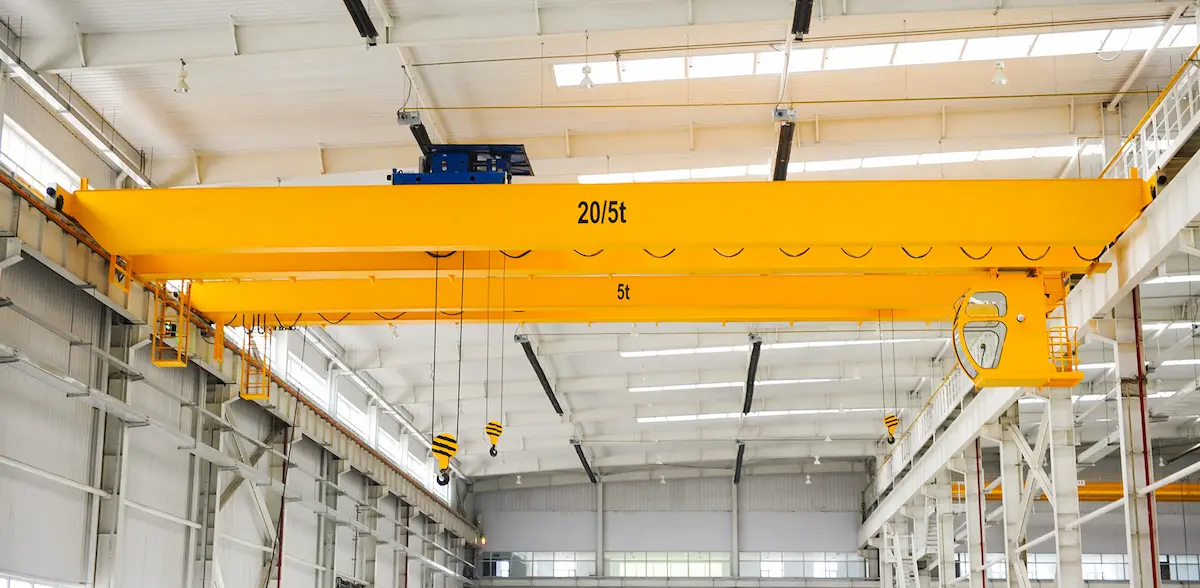
Look Beyond the Price Tag When Selecting Overhead Cranes
Procurement decision-makers must broaden their view from initial purchase costs to the Total Cost of Ownership (TCO) across the equipment life cycle.
Procurement Evaluation Formula: >
TCO=Initial Equipment Purchase Price+Energy Consumption Cost+Breakdown Downtime Losses+Routine Maintenance and Spare Parts Fees
Low prices often mean compromised safety margins or marginal component quality in hidden areas. Once operational, these hidden defects surface as frequent conductor line interruptions, burnt motors, or continuous wear part replacements. More critically, unexpected downtime of heavy equipment paralyzes entire production lines, generating output losses and idle labor costs that far exceed initial savings. Conversely, well-engineered, high-quality cranes consume less energy, saving substantial amounts in electricity costs over decades. Therefore, evaluating quality, lifespan, safety, energy efficiency, and after-sales service represents the only rational, responsible choice for your business.
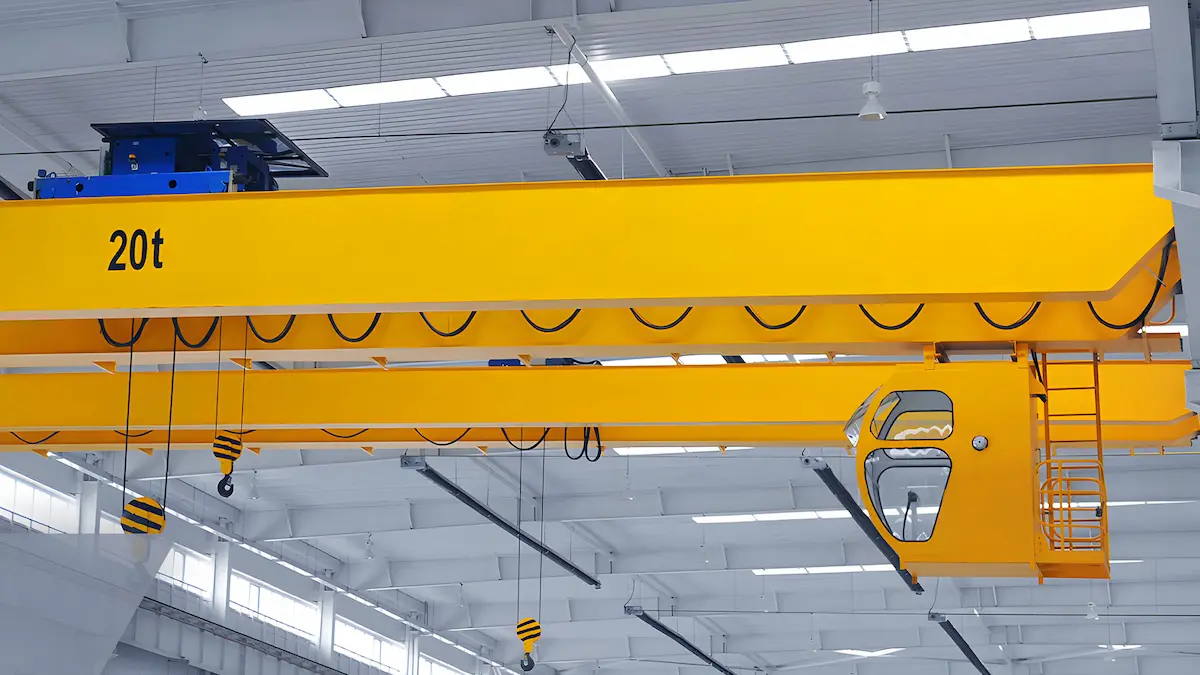
Why Choose HSCRANE Overhead Cranes?
As a professional manufacturer in the heavy lifting equipment sector, HSCRANE focuses on technical innovation. We deliver safe, efficient, low-maintenance material handling solutions to global industrial customers through these commitments:
●Extensive project experience: HSCRANE premium cranes serve dozens of countries worldwide. They operate in heavy manufacturing, steel metallurgy, power, railway logistics, and precision machining benchmarking projects, addressing specific industry pain points.
●Strict quality control system: We utilize advanced processing equipment like CNC underwater plasma cutters, automated girder welding machines, and large shot-blasting rooms. From raw material inspection to final full-load factory testing, every crane undergoes dozens of tests to ensure reliable, zero-fault operations.
●Highly competitive customized solutions: We never upsell unnecessary configurations blindly. HSCRANE maintains an experienced engineering team to customize the most cost-effective solutions based on your workshop height, runway beam capacity, usage frequency, and budget limits.
●Professional, worry-free after-sales support: Purchasing equipment represents just the beginning of our partnership. HSCRANE establishes comprehensive technical consulting and emergency maintenance mechanisms backed by extensive spare parts warehouses to supply original factory parts quickly. Our professional teams provide 24/7 online support to eliminate operational worries.
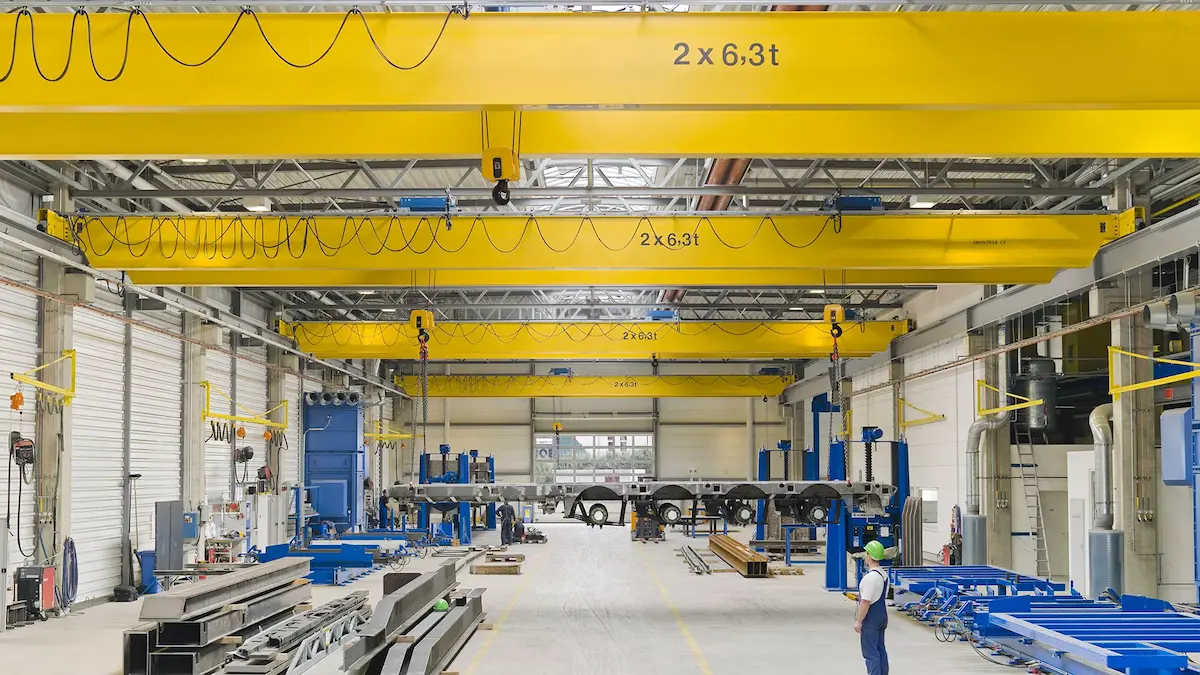
Conclusion
In summary, an overhead crane is a long-term asset affecting both production efficiency and workplace safety. Its price depends on dimensions like lifting capacity, span, duty class, configurations, and specialized operating environments. When facing varying market quotes, companies should prioritize evaluating long-term equipment performance, safety margins, and operating costs. Selecting a reliable manufacturer like HSCRANE, which integrates R&D, strict quality control, full customization capabilities, and after-sales service, guarantees smooth project delivery. It also ensures efficient equipment performance across decades, delivering a higher, more stable Return on Investment (ROI) for your business.
This document is for reference only. Specific operations must strictly comply with local laws and regulations and equipment manuals.
Recent Post