Blog
- Home
- Blog
Box vs. Truss Gantry Crane: How to Choose?
Overview
In the field of material handling and heavy equipment lifting, the gantry crane is an indispensable core device. Companies buying this large equipment face a key technical choice. Should they choose a box-type gantry crane? Or should they pick a truss-type gantry crane? This is not just a structural design difference. It directly affects purchase costs and service life. It also impacts safety performance and later maintenance costs. Many buyers or project managers do not understand specific working condition matches. This leads to poor wind resistance after equipment is put into use. It also causes excessive energy consumption or maintenance costs. This article deeply analyzes the core differences between box and truss structures. We do this from a professional engineer’s perspective. We provide a scientific selection guide for you. This helps match the best lifting solution for your project.
What is a box-type gantry crane?
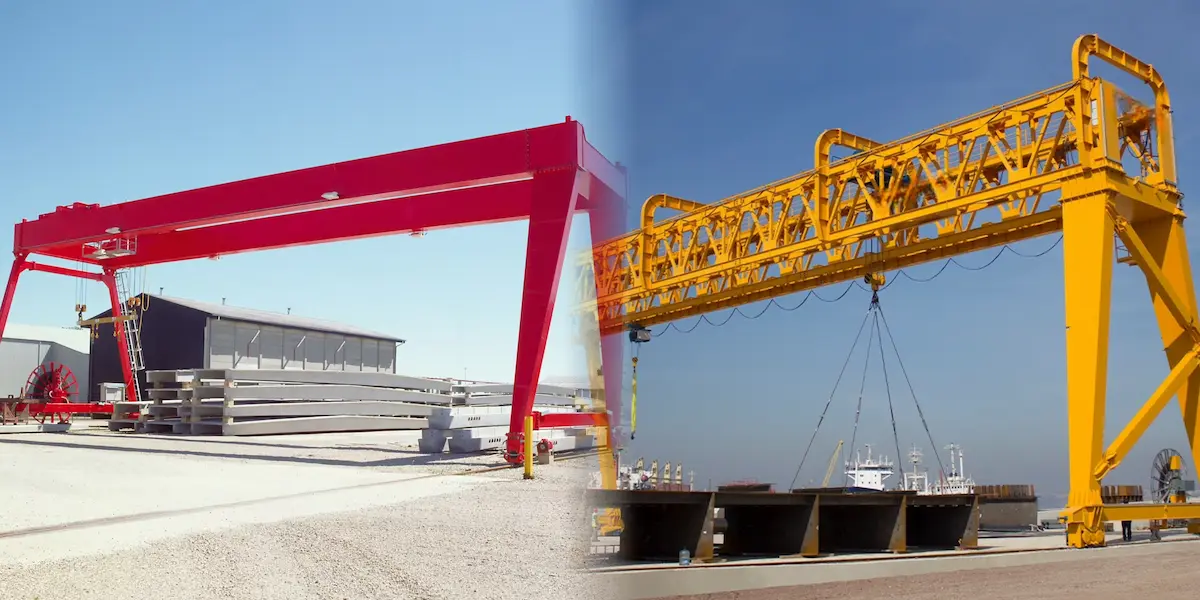
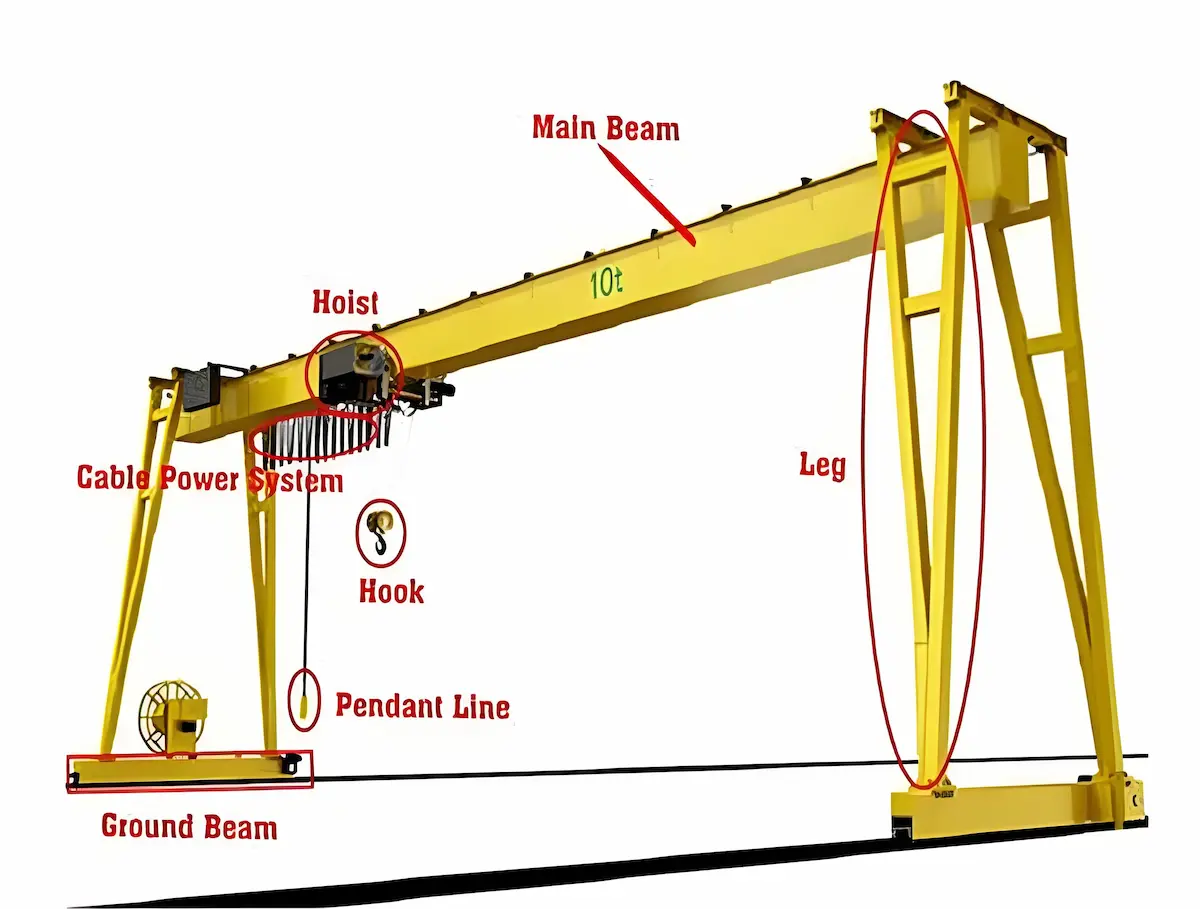
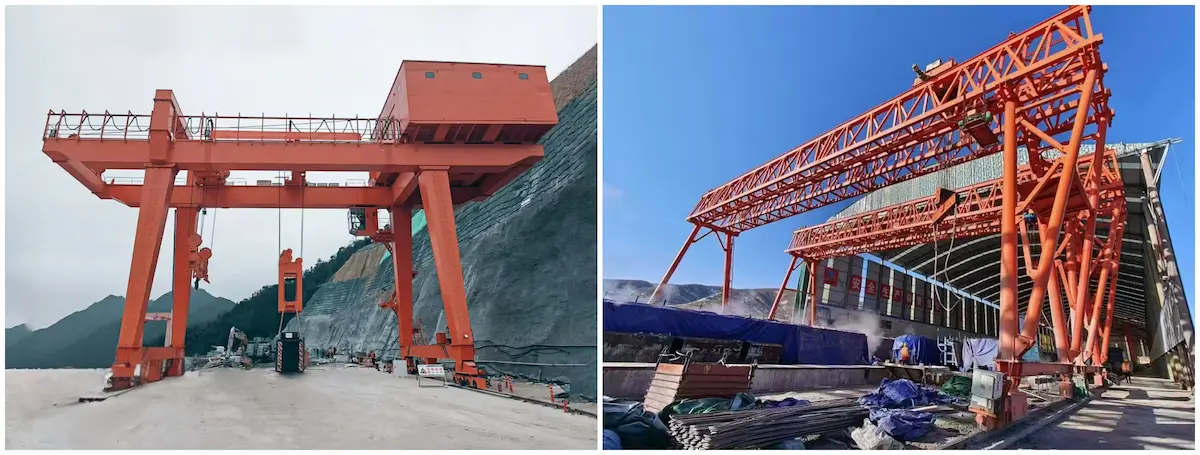
The main beams and legs of a box-type gantry crane use steel plates. They are welded into a closed box-shaped solid structure. This design is the most common crane structure in industrial manufacturing. It is also the most widely used structure form currently.
Structural features of box-type cranes
The original design intent of the box structure is clear. It aims to provide extremely high stability and load capacity. It is usually welded by upper and lower cover plates. It also includes web plates and internal stiffening ribs.
●High rigidity and high strength: The closed box structure bears vertical loads and horizontal inertia forces well. It has excellent bending and torsion resistance capabilities.
●Standardized manufacturing process: Steel plate cutting, welding, and automated welding technologies are very mature. This ensures high manufacturing efficiency and easy quality control.
●Large wind-facing area: The main beam is a solid steel plate wall. It forms a huge windbreak when working outdoors.
●Heavy dead weight: Large amounts of steel are used to ensure box rigidity. This makes the machine heavier than other cranes with the same capacity.
Applicable scenarios and typical industries
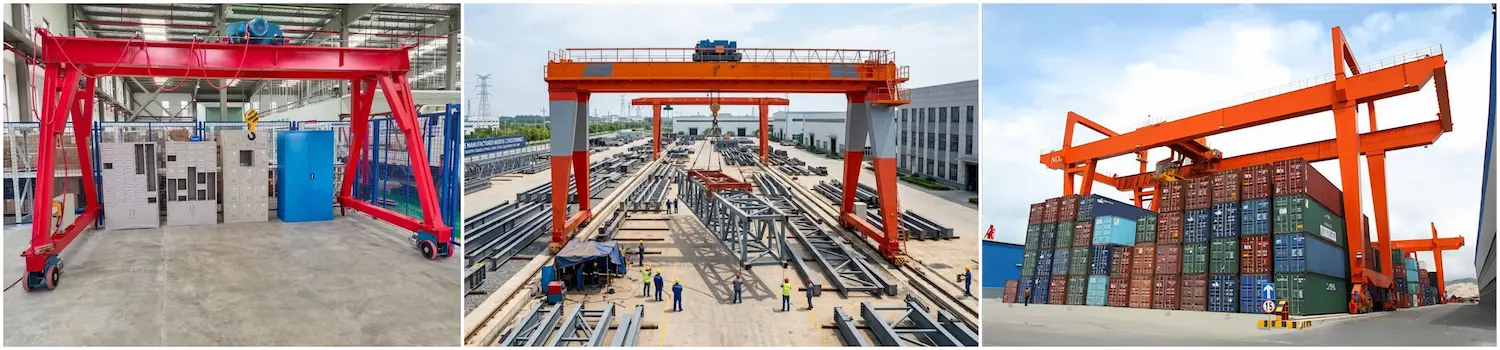
Due to its high strength, the box-type gantry crane is the absolute main force. It excels in heavy-load and high-frequency operations.
●Indoor heavy manufacturing workshops: Like machining plants and injection molding plants. There is no wind load impact, and extremely high lifting accuracy is required.
●Steel and metallurgy industries: They frequently lift heavy steel coils and steel plates. The working class requirement reaches A5-A8.
●Container terminals and railway yards: Rail-mounted container gantry cranes mostly use box structures. This handles continuous, high-intensity loading and unloading operations.
What is a truss-type gantry crane?
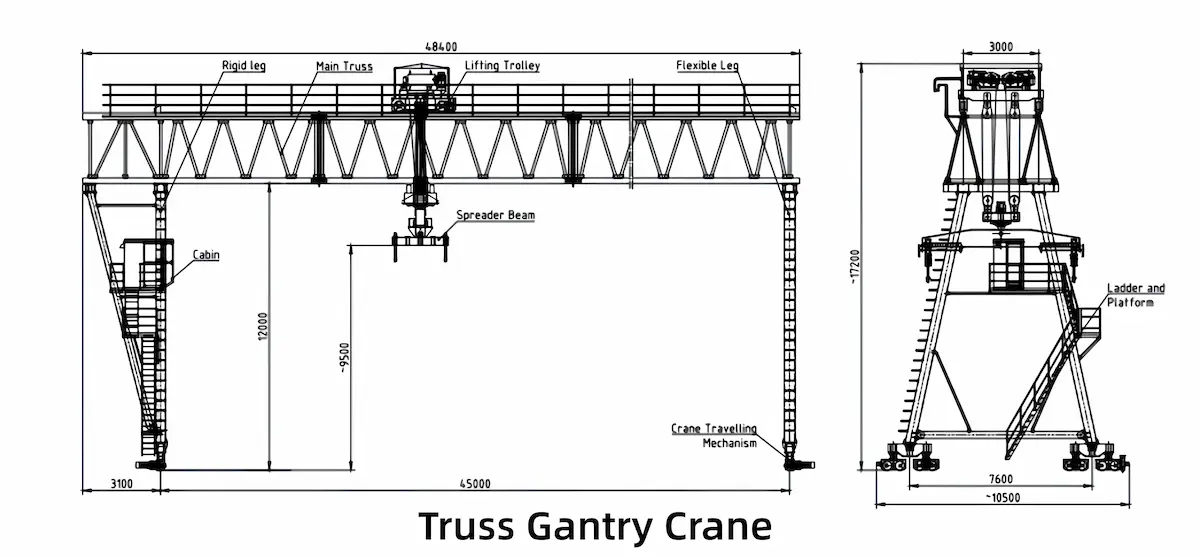
The main beam and legs of a truss-type gantry crane use steel profiles. These angles, channels, or pipes are welded into a hollow mesh structure. This design distributes materials furthest from the neutral axis. It achieves the required load capacity with minimal materials.
Structural features of truss cranes
The core advantage of truss structures lies in leveraging force. It resolves stress through geometric mechanics design.
●Excellent wind resistance: The hollow design allows wind to pass directly through structural gaps. The wind resistance coefficient is extremely small. This is its most prominent physical feature.
●Light dead weight: Compared to box structures, truss structures drastically reduce steel usage. The overall machine weight is usually reduced by 15% to 30%.
●Dense welds: It is spliced by many profiles with many joints and long welds. This requires high welding processes and later anti-corrosion rust removal.
●Convenient transport and assembly: Many truss cranes can use bolted joints. They are easy to dismantle into small parts for long-distance transport.
Applicable scenarios and typical industries
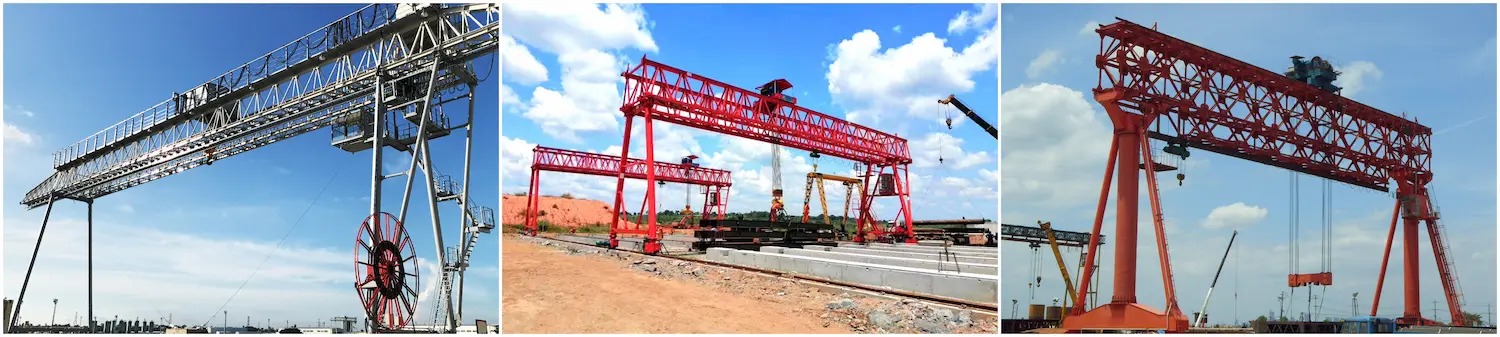
The truss-type gantry crane is a special force. It fits specific extreme environments and mobile engineering projects perfectly.
●Coastal ports and strong wind areas: These are outdoor yards in typhoon-prone zones. The truss structure effectively avoids the risk of being overturned by gales.
●Road and bridge construction and field engineering: These include prefab yards for highways and high-speed rail bridges. These sites need relocation after the project ends. The truss crane’s lightness and easy dismantling become huge advantages.
●Large-span, small-tonnage open-air yards: The span is huge but lifted items like wood are light. Using a truss structure significantly reduces track foundation construction costs.
Core Comparison: Box vs Truss
To show the differences intuitively, we compare key engineering indicators.
|
Comparison Dimension |
Box-type Gantry Crane |
Truss-type Gantry Crane |
| Wind Resistance | Weaker. It has a large wind-facing area. It needs strong windproof devices. | Excellent. The hollow structure has minimal wind resistance. |
| Equipment Weight | Heavier. High wheel pressure demands much from ground track foundations. | Lighter. Low wheel pressure can reduce foundation construction costs. |
| Rigidity and Stability | Excellent. It has strong anti-eccentric load and anti-torsion capabilities. | Average. Slight shaking easily occurs during high-speed running or emergency stops. |
| Manufacturing and Purchase Cost | Moderate. High automation keeps mass production costs stable. | Slightly lower or equal. It saves materials but manual welding costs are high. |
| Working Class (ISO) | A3 – A8. Suitable for high-frequency and continuous heavy-load operations. | A3 – A5. Suitable for medium-low frequency and intermittent operations. |
| Later Maintenance Focus | Surface paint anti-corrosion and weld non-destructive testing. | Rust removal and anti-corrosion for dense joints. Checking bolt tightening status is also required. |
| Transport Convenience | Poor. Large transport is limited. It cannot be disassembled into very small parts. | Excellent. It can be disassembled into independent profiles or small modules. |
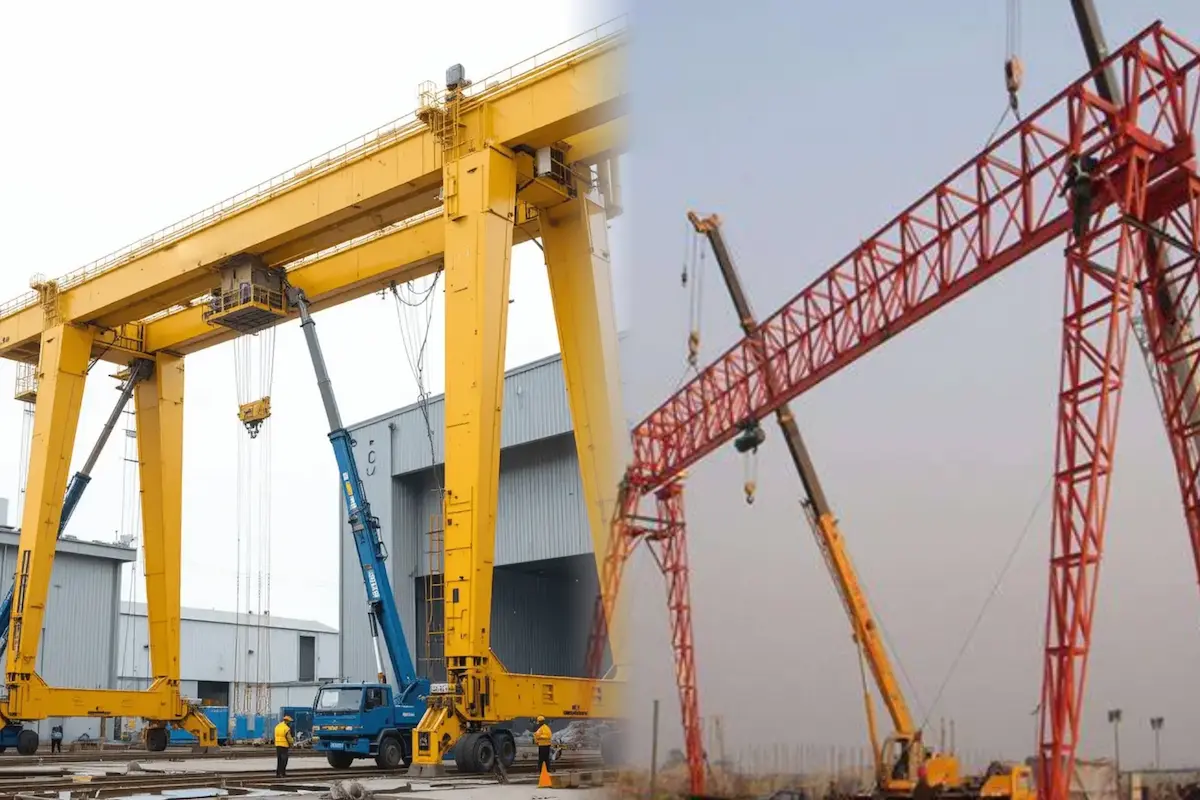
Purchase Decision: How to choose based on project needs?
After understanding structural differences, how do we apply theories to purchase decisions? We suggest deducing needs strictly following these four steps at the project start.
1. Evaluate working environment and climate conditions (Primary factor)
Environmental factors are the lifeline deciding the structure form.
●Suppose your factory is inland and runs indoors. Or outdoor wind is small year-round. The box-type gantry crane is the default best choice. Its stable performance makes the lifting process smoother.
●Is the equipment in typhoon-prone coastal areas or high-altitude windy passes? Or in open fields without buildings? You must prefer the truss-type gantry crane. In gusts over level 10, box crane windproof rail clamps may fail. The natural ventilation of a truss crane is the best safety guarantee.
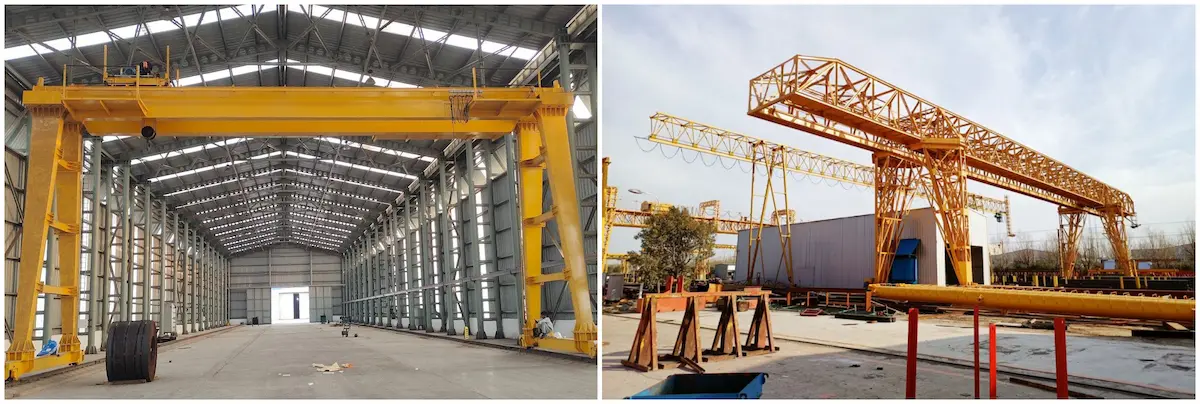
2. Analyze lifting load and usage frequency (Working class)
Is the crane a money printer on the production line? Or is it an occasionally used auxiliary tool?
●Some scenes need 24-hour shifts and high full-load rates. Steel mills and large prefab plants are examples. High-frequency lifting and braking cause huge metal fatigue. The box structure has higher fatigue strength. It can withstand years of heavy use.
●Some yards lift only a few times daily. They are mainly for equipment maintenance or occasional shipping. The truss structure is fully capable here. It saves considerable purchase funds initially for enterprises.
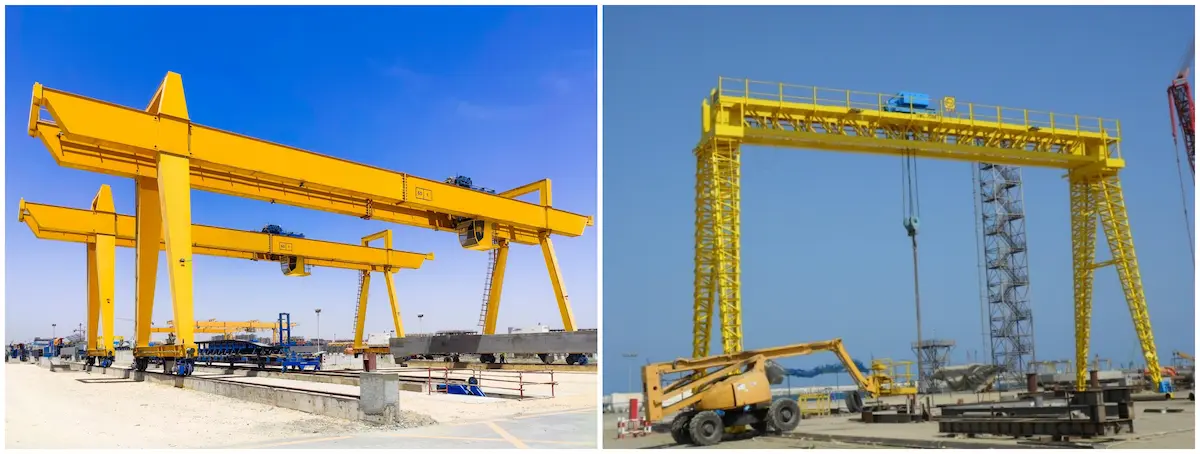
3. Calculate track foundation construction costs
Many buyers only look at the crane quote. They often ignore civil construction costs. A box crane has a huge dead weight. The pressure transmitted to wheels is high. You must dig deeper foundations and pour thicker reinforced concrete load-bearing beams. Your site geology might be soft, or your budget very limited. The lighter truss-type gantry crane greatly reduces ground infrastructure load requirements. This saves a lot of hidden civil costs.
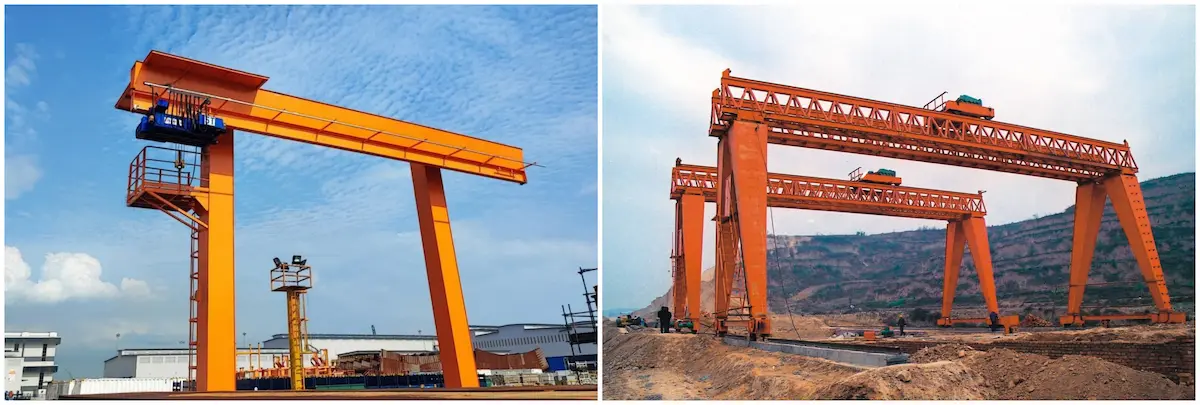
4. Consider equipment lifecycle and relocation needs
●Permanent fixed assets: The crane might not move for decades after installation. Heavy machinery plants are examples. Box cranes have flat surfaces and easy paint maintenance. Their extremely long life yields a higher return.
●Temporary engineering equipment: You might be a road and bridge construction company. You undertake a highway section. You may need to move equipment 1000 kilometers away in 2 years. The modular disassembly of truss cranes saves astronomical oversized logistics costs.
Conclusion
Box-type and truss-type gantry cranes have no absolute pros and cons. There is only whether it suits your specific conditions. We can summarize the selection logic in one sentence. Choose box type for indoor heavy loads. Choose truss type for windy fields. Pick box type for frequent operations. Bring truss type for frequent relocations. Before deciding, do not just compare basic quotes. Consider civil foundation costs and transport fees. Also comprehensively consider future ten-year maintenance costs and local climate conditions. Communicate deeply with professional crane manufacturers. Let engineers issue custom plans based on your site layout and workflows. This is the safest way to guarantee return on investment.
FAQ
Q: Is the load capacity of a truss crane worse than a box crane?
A: Not at all. For either structure, engineers perform strict mechanical calculations based on your rated capacity. They will also reserve a safety factor. The difference is the structural way to achieve the same capacity. Within the rated load, both are equally safe and reliable.
Q: Does a truss-type gantry crane rust easily in rain and snow?
A: Objectively, truss structures have intersecting profiles. This creates many blind corners and water accumulation points. Welds and bolted joints easily become starting points for rust. For truss cranes in wet areas, request higher-grade anti-corrosion primer during purchase. Epoxy zinc-rich primer is good. Also, increase rust removal and touch-up painting frequency in daily maintenance. The closed box structure is indeed more worry-free in anti-corrosion maintenance.
Q: Our site is very windy, but I need high-frequency heavy lifting. How to choose?
A: This is a typical cross-demand scenario. Crane manufacturers usually provide a hybrid design solution for this. For example, the main beam uses a high-rigidity box structure. This withstands heavy-load fatigue. The legs use a truss structure to reduce wind resistance and dead weight. This box-beam truss-leg gantry crane perfectly neutralizes their pros and cons. It is an excellent solution for outdoor heavy-load yards.
This document is for reference only. Specific operations must strictly comply with local laws and regulations and equipment manuals.
Recent Post