Blog
- Home
- Blog
Gantry Crane Rail Settlement: Causes, Risks and Effective Solutions
In various ports, yards, manufacturing plants, and large outdoor environments, gantry cranes are widely used due to their stable structure, strong adaptability, and wide coverage. However, during long-term operation, rail foundation settlement has become one of the key hidden risks affecting equipment safety and service life. This article systematically analyzes the causes and hazards of gantry crane rail settlement and proposes targeted solutions to provide professional reference for users.
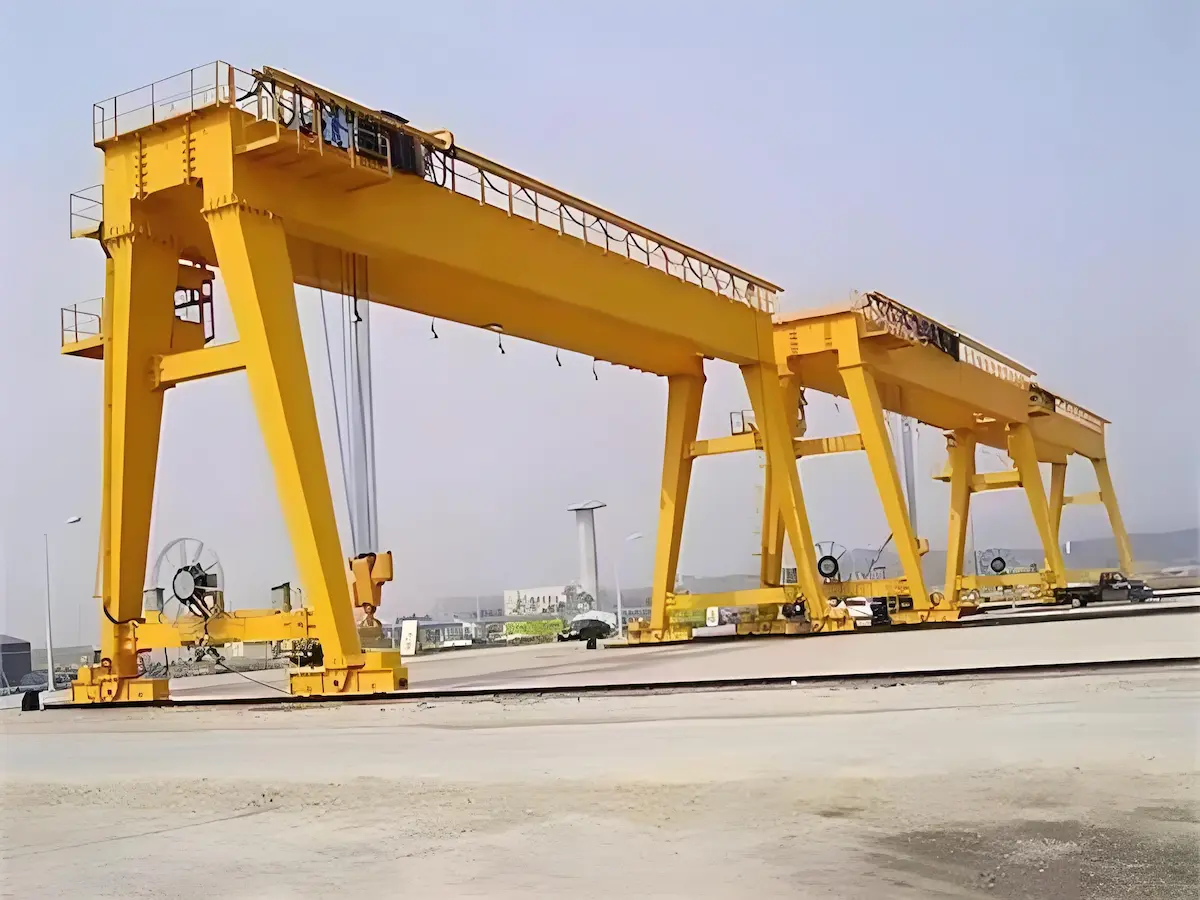
Common Problems of Gantry Crane Rail Settlement
Rail settlement usually appears as uneven rail elevation, local subsidence, gauge variation, or rail distortion. These issues are often not obvious in early operation. They gradually worsen over time and affect overall operational stability.
Common manifestations include:
●Obvious vibration or abnormal noise during crane operation
●Skewed traveling of the crane, even rail gnawing
●Uneven wheel load distribution, with excessive load on some wheels
●Misalignment or deformation at rail joints
●Increased running resistance and higher energy consumption
These issues reduce efficiency and may cause equipment damage or safety accidents.

Main Causes of Gantry Crane Rail Settlement
Insufficient foundation bearing capacity: Improper foundation design or inadequate ground treatment is the primary cause. In soft soil, fill soil, or coastal areas, lack of reinforcement leads to uneven settlement under long-term loads.
Construction quality issues
The following problems directly affect long-term stability:
●Insufficient concrete strength
●Inadequate compaction of the foundation
●Large deviation in rail installation accuracy
●Improper installation of embedded components
Long-term dynamic loads: Gantry cranes generate cyclic loads during operation. Frequent heavy-duty operation causes continuous impact on the foundation. This leads to gradual loosening or settlement.
Environmental factors
●Rainwater erosion causes soil loss
●Groundwater level changes lead to soil softening
●Temperature variations cause material expansion and contraction
●These factors are more significant in coastal or high-humidity areas.
Poor drainage system: Inadequate drainage keeps the foundation wet or flooded. This accelerates soil softening and structural deterioration.
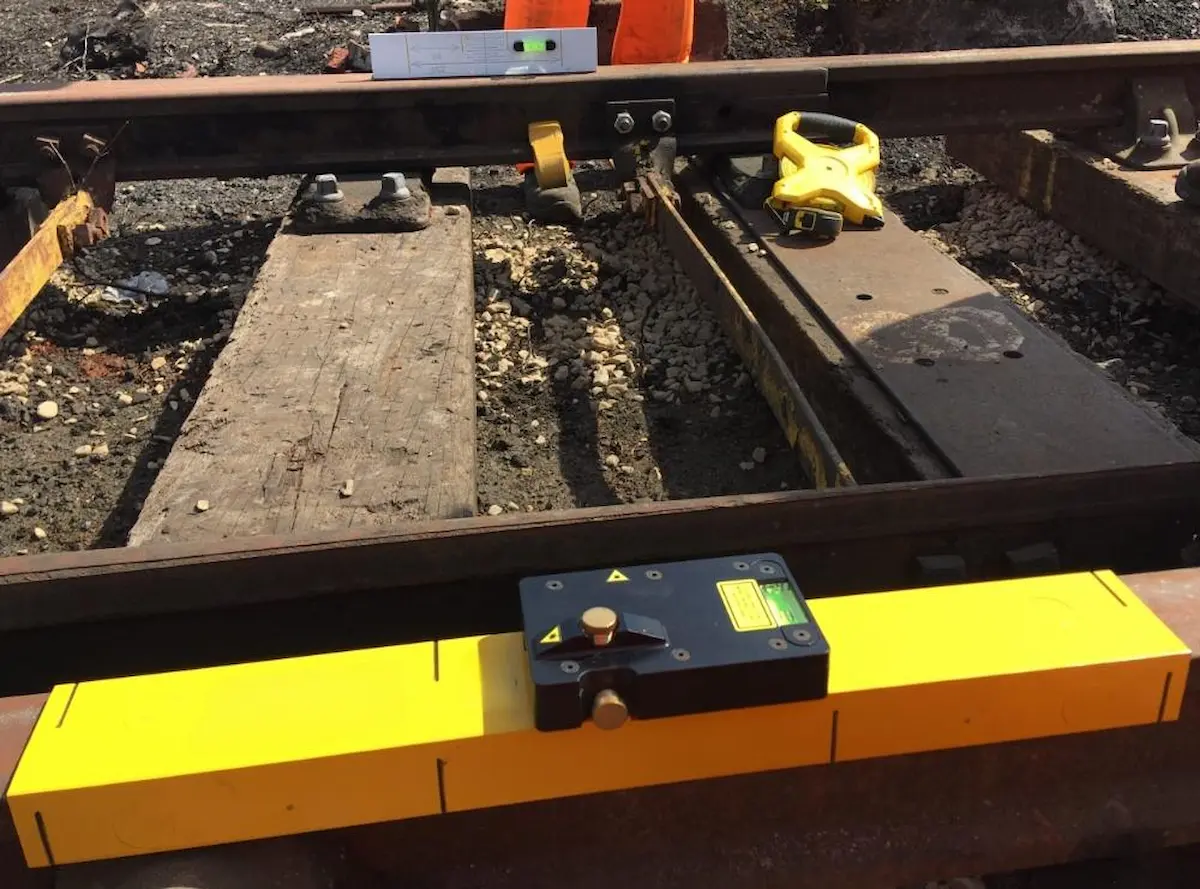
Hazards Caused by Rail Settlement
Gantry crane rail settlement is not only a structural issue but also a safety concern. Its main impacts include:
●Affects operational safety: Uneven rails cause uneven force distribution. Severe cases may lead to derailment or tipping.
●Increases wear of components: Wheels, rails, and gearboxes wear faster under abnormal conditions. Maintenance costs rise significantly.
●Reduces working efficiency: Increased resistance and reduced positioning accuracy affect productivity.
●Shortens service life: Long-term abnormal operation causes irreversible structural damage.
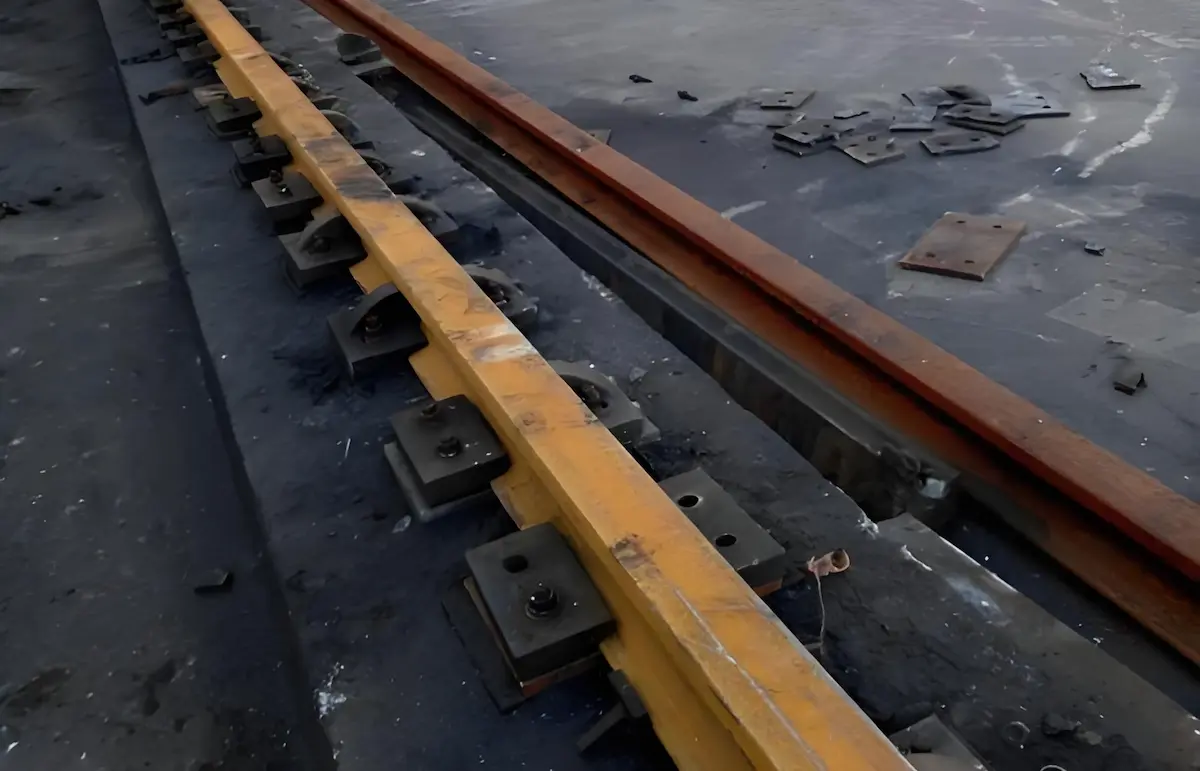
Rail Settlement Inspection and Evaluation Methods
To detect problems promptly, the track system should be inspected and evaluated regularly. The main methods include:
|
Inspection Item |
Inspection Method |
Tools / Means |
Main Purpose |
Recommended Frequency |
|
Rail elevation inspection |
Measure rail top height relative to reference points | Level instrument, laser level | Identify settlement or unevenness | Every 3–6 months |
|
Rail gauge measurement |
Measure distance between rails | Steel tape, gauge ruler | Ensure compliance with design standards | Every 3 months |
|
Straightness inspection |
Check for bending or deviation | Line method, laser alignment | Detect lateral deformation | Every 6 months |
|
Wheel load testing |
Measure actual wheel loads | Load tester, sensor system | Identify uneven load distribution | Every 6–12 months |
|
Rail joint inspection |
Check joint flatness and gaps | Feeler gauge, straightedge | Prevent impact from misalignment | Every 3 months |
|
Foundation inspection |
Check for cracks or settlement | Visual check, crack detector | Evaluate structural stability | Every 6 months |
|
Fastener inspection |
Check bolts and clips | Torque wrench, visual check | Ensure reliable fixation | Every 1–3 months |
|
Drainage system inspection |
Check drainage and slope | Visual check, water flow test | Prevent water accumulation | Before and after rainy season |
|
Operation monitoring |
Observe running condition | Visual check, vibration monitor | Detect abnormal vibration or noise | Daily inspection |
|
Intelligent monitoring system |
Real-time monitoring | Sensors, IoT platform | Enable early warning and analysis | Real-time |

Solutions for Rail Settlement
To address the issue of track settlement in gantry cranes, graded and systematic treatment measures should be adopted based on the type and severity of settlement and the on-site working conditions.
|
Solution Type |
Applicable Situation |
Main Methods |
Advantages |
Limitations |
|
Emergency adjustment |
Minor settlement, short-term use | Shimming, leveling, fastener adjustment | Low cost, quick implementation | Temporary solution only |
|
Local repair |
Local uneven settlement | Jacking, reinforcement, realignment | Precise repair, small scope | High accuracy required |
|
Foundation reinforcement |
Insufficient bearing capacity | Grouting, micro piles, soil replacement | Long-term effectiveness | High cost, longer duration |
|
Rail system upgrade |
Severe deformation | Rail replacement, structural optimization | Improves stability | Requires downtime |
|
Drainage optimization |
Water-related issues | Drainage design, waterproofing | Prevents recurrence | Needs civil modification |
|
Intelligent monitoring upgrade |
Critical equipment | Sensors, data systems | Enables early warning | High initial investment |
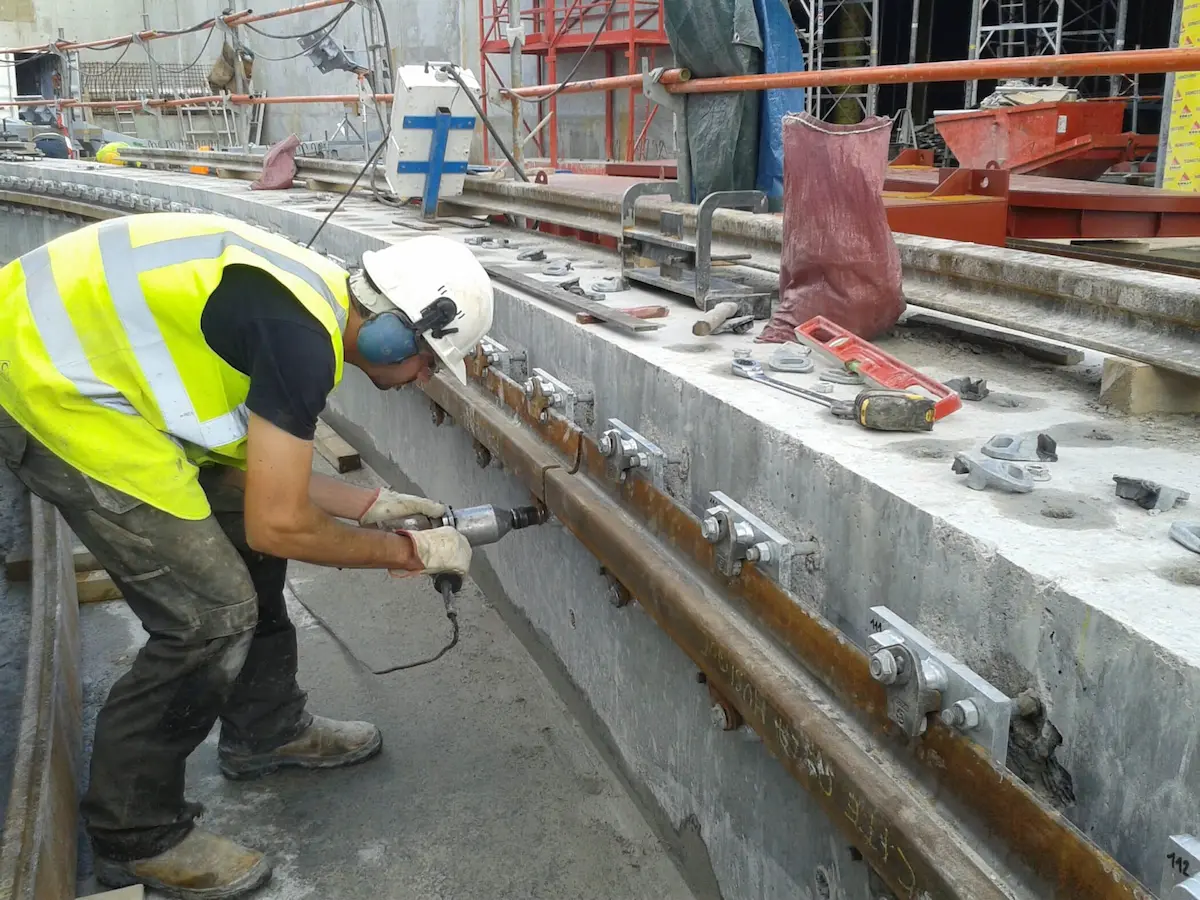
Recommended Combined Solutions
In practical engineering, a single measure is often insufficient to completely solve the problem; therefore, a combined solution is recommended:
|
Settlement Level |
Recommended Combination |
| Minor settlement | Rail adjustment + fastener check + routine monitoring |
| Moderate settlement | Local jacking + grouting + drainage optimization |
| Severe settlement | Pile reinforcement + rail replacement + structural optimization + monitoring system |
The solution of rail settlement is not just repair. It is a systematic engineering process. Scientific evaluation, proper solutions, professional construction, and long-term monitoring are essential.
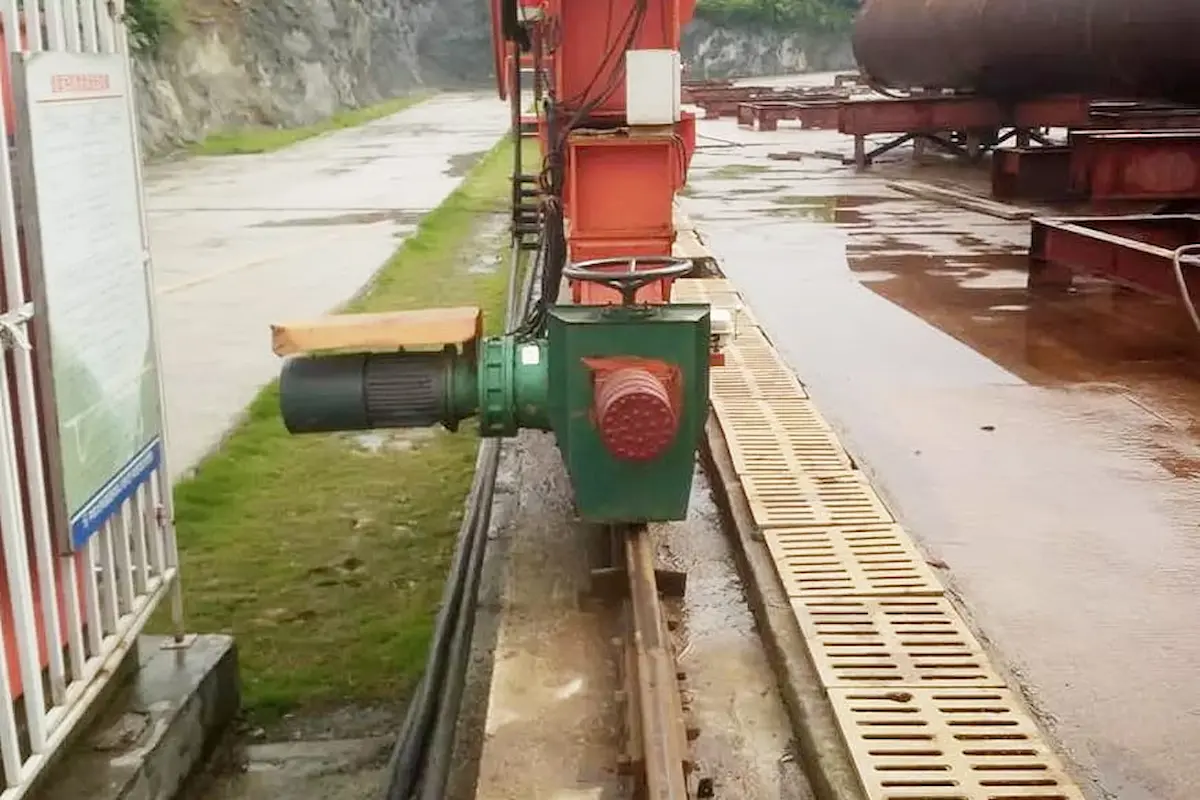
Preventive Measures and Maintenance Recommendations
Compared with repair, prevention is more important. Recommended actions include:
●Proper design: Conduct geological surveys to ensure sufficient bearing capacity
●Strict construction control: Ensure all processes meet standards
●Regular inspection: Establish periodic inspection systems
●Intelligent monitoring: Use sensors for settlement and load monitoring
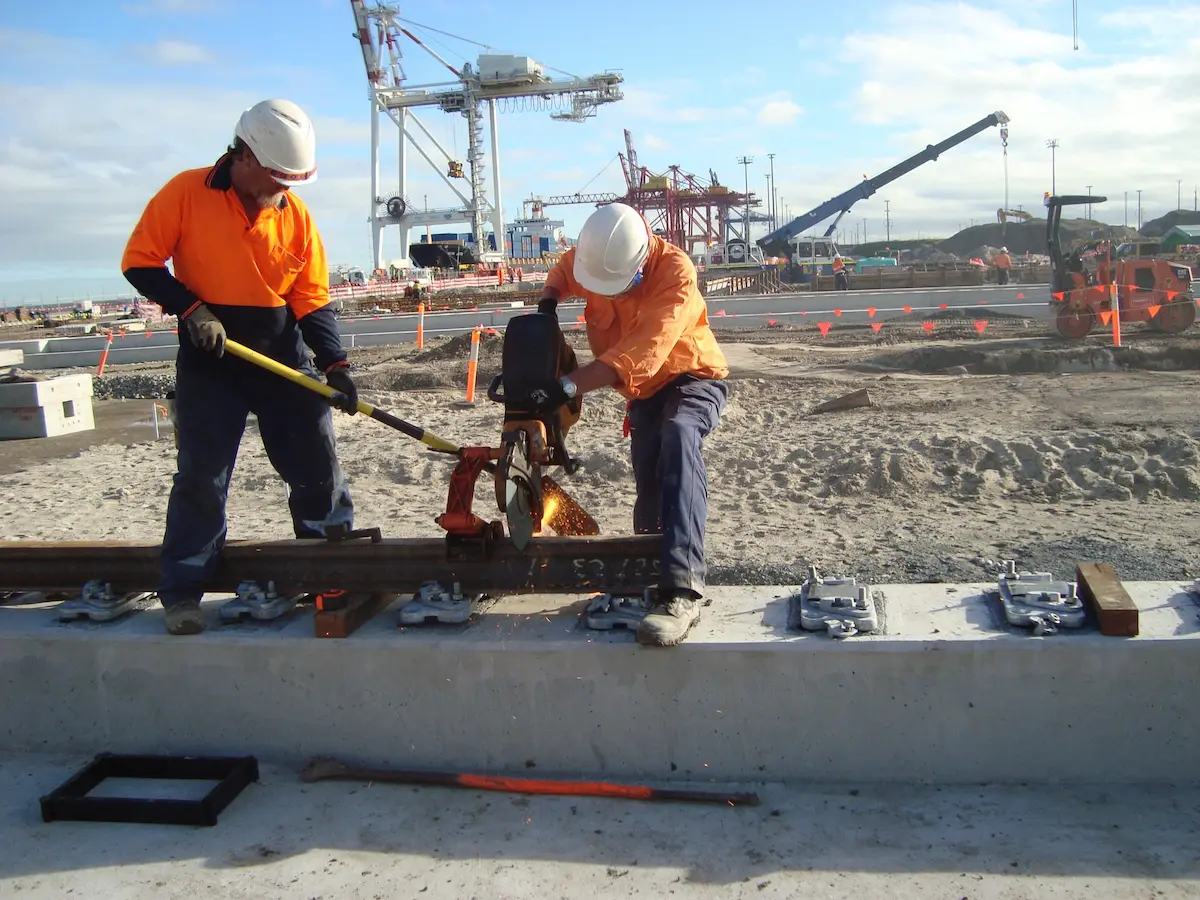
Gantry crane rail settlement is a common issue but directly affects safety and efficiency. Scientific design, proper construction, and systematic maintenance can reduce risks and extend service life.
For enterprises, choosing an experienced crane supplier is critical. Customized solutions and professional support ensure safe, stable, and efficient operation under complex conditions.
Is Your Rail Still Safe?
If you notice abnormal crane operation or settlement signs, contact our expert team immediately.
[Contact HSCRANE Technical Team Now]
This document is for reference only. Specific operations must strictly comply with local laws and regulations and equipment manuals.
Recent Post