Blog
- Home
- Blog
How to Choose the Right Overhead Crane Duty Classification:A Complete Guide from A3 to A8
When purchasing an overhead crane, many companies focus only on capacity and span. However, they often overlook a critical factor: the duty classification.
Just as cars range from commuters to racers, cranes are graded from A3 to A8. This depends on their use frequency and load conditions.
Choosing a class too high leads to unnecessary capital expenditure (CAPEX). Choosing one too low causes frequent mechanical failures and shorter lifespans. It can even lead to serious safety accidents. This article explains how to select the right model scientifically.
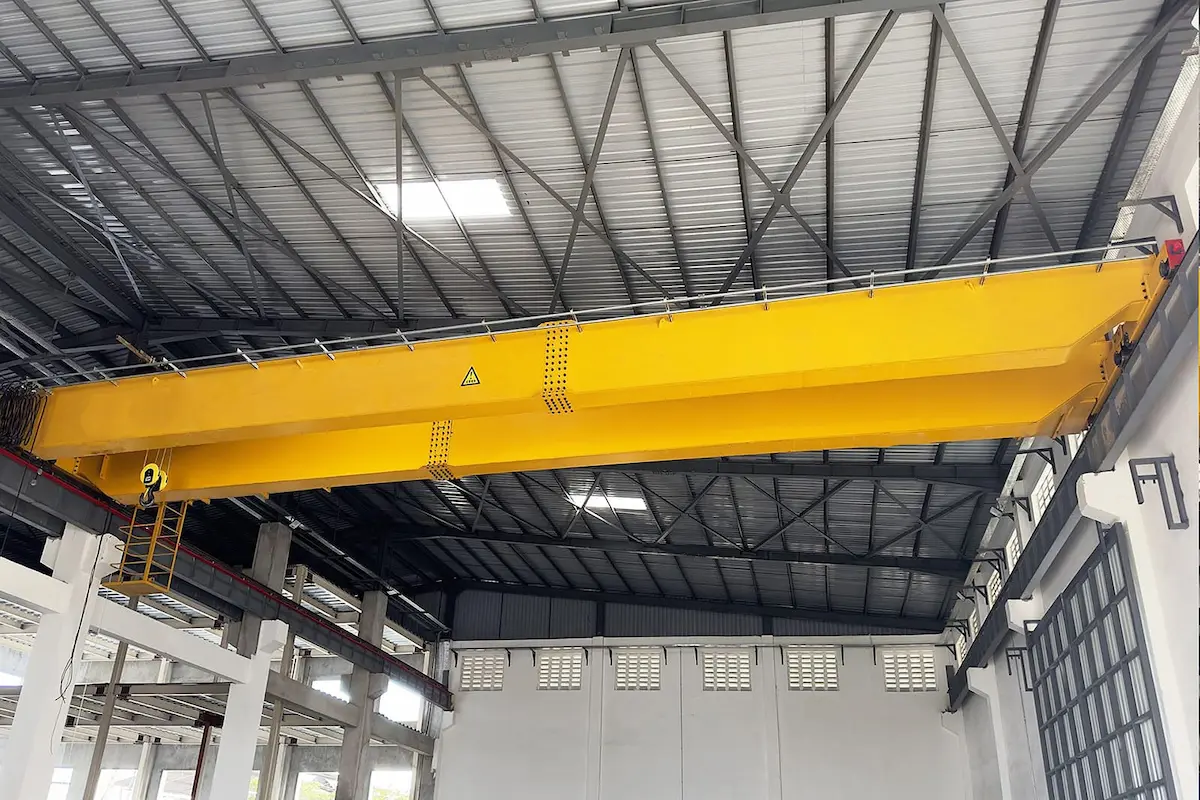
What is the Duty Classification of an Overhead Crane?
The duty classification (or work system) measures how often a crane is used. It also considers the load status during its design life.
According to ISO 4301 and GB/T 3811, two factors determine the duty class:
●Load Spectrum: Does the crane often lift full loads or mostly light loads?
●Utilization Class: The total number of work cycles expected during its design life.
Combining these two dimensions gives us the grading from A3 to A8.
In-depth Analysis of Overhead Crane Classes A3-A8
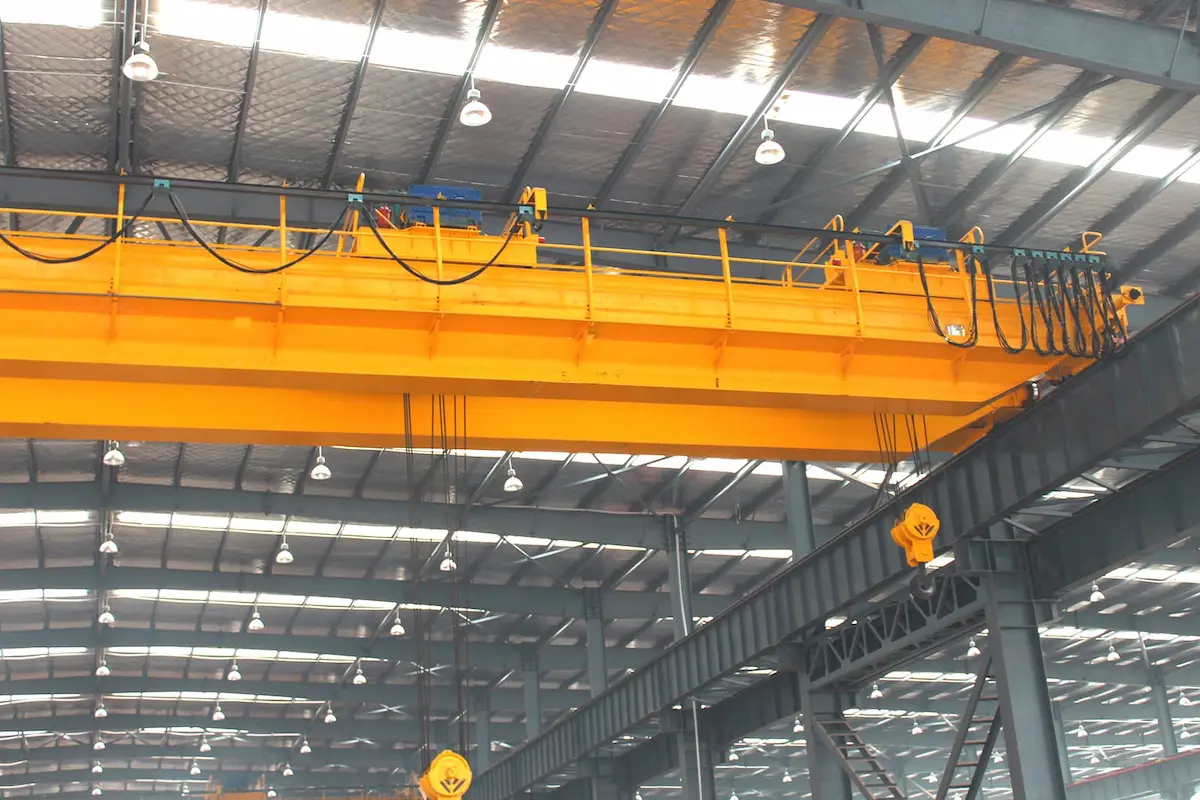
A3 – Light Duty
●Features: Low frequency of use with occasional full-capacity lifts.
●Scenarios: Power station maintenance, pump stations, occasional warehouse loading, and laboratories.
●Advice: These cranes remain idle for long periods. They require lower structural fatigue strength.
A4 – Moderate Duty
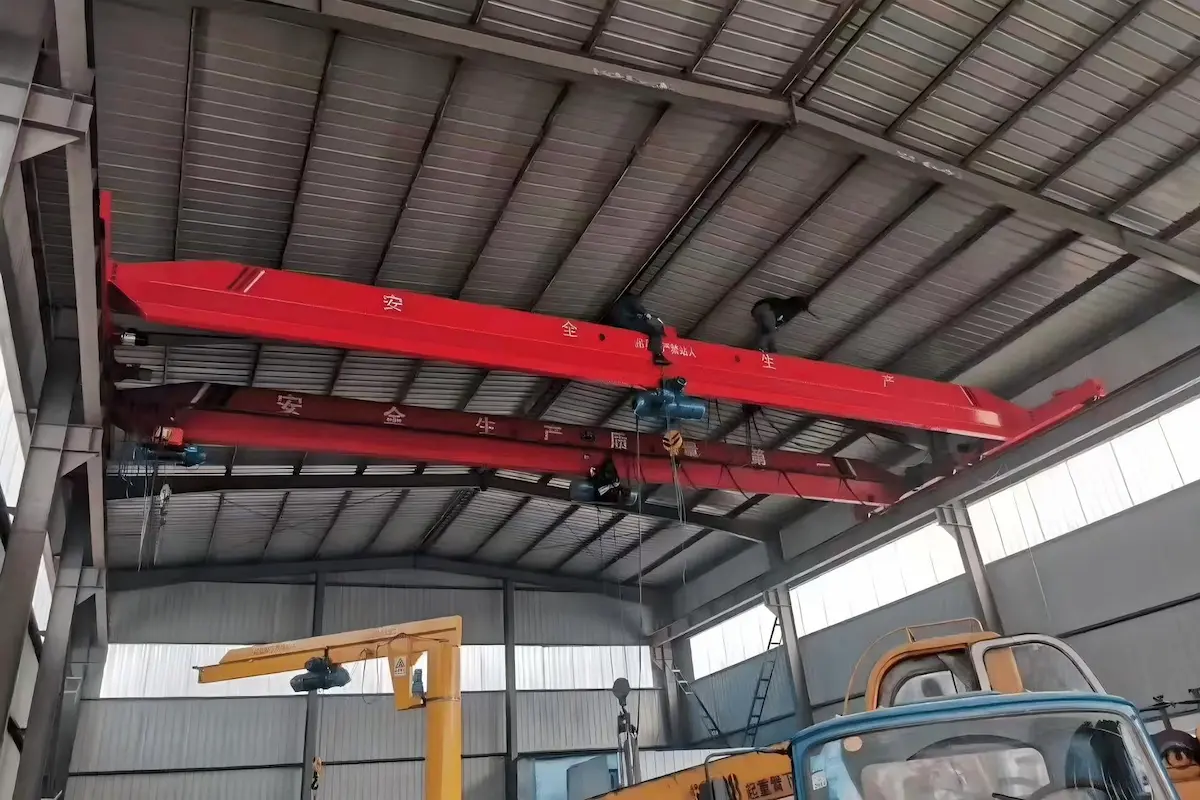
●Features: A universal “workhorse” class with moderate daily operating hours.
●Scenarios: Machine shops, assembly lines, and repair workshops.
●Advice: If your factory runs 1-2 shifts with varying loads, A4 is most cost-effective.
A5 – Standard Heavy Duty
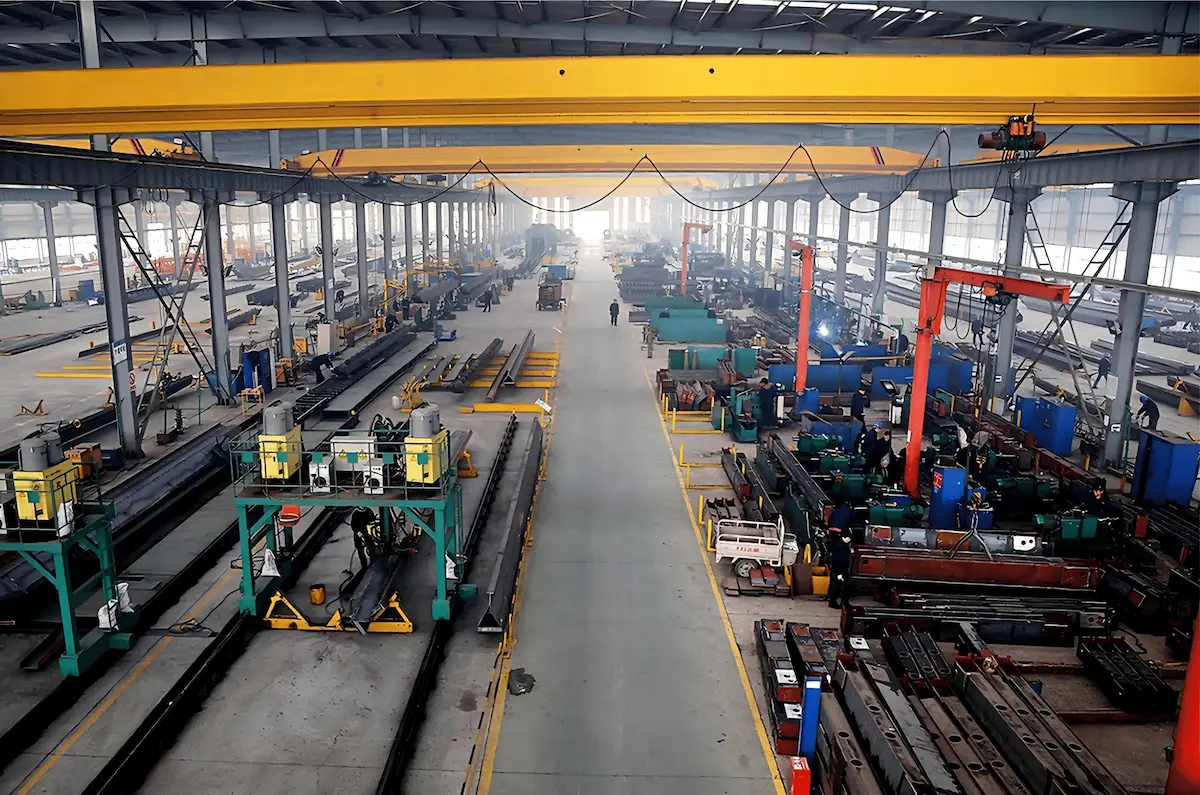
●Features: Higher work frequency with a uniform load distribution.
●Scenarios: General manufacturing plants, paper mills, and wood processing.
●Advice: A5 is the most common industrial grade. It offers great durability and return on investment.
A6 – Heavy Duty
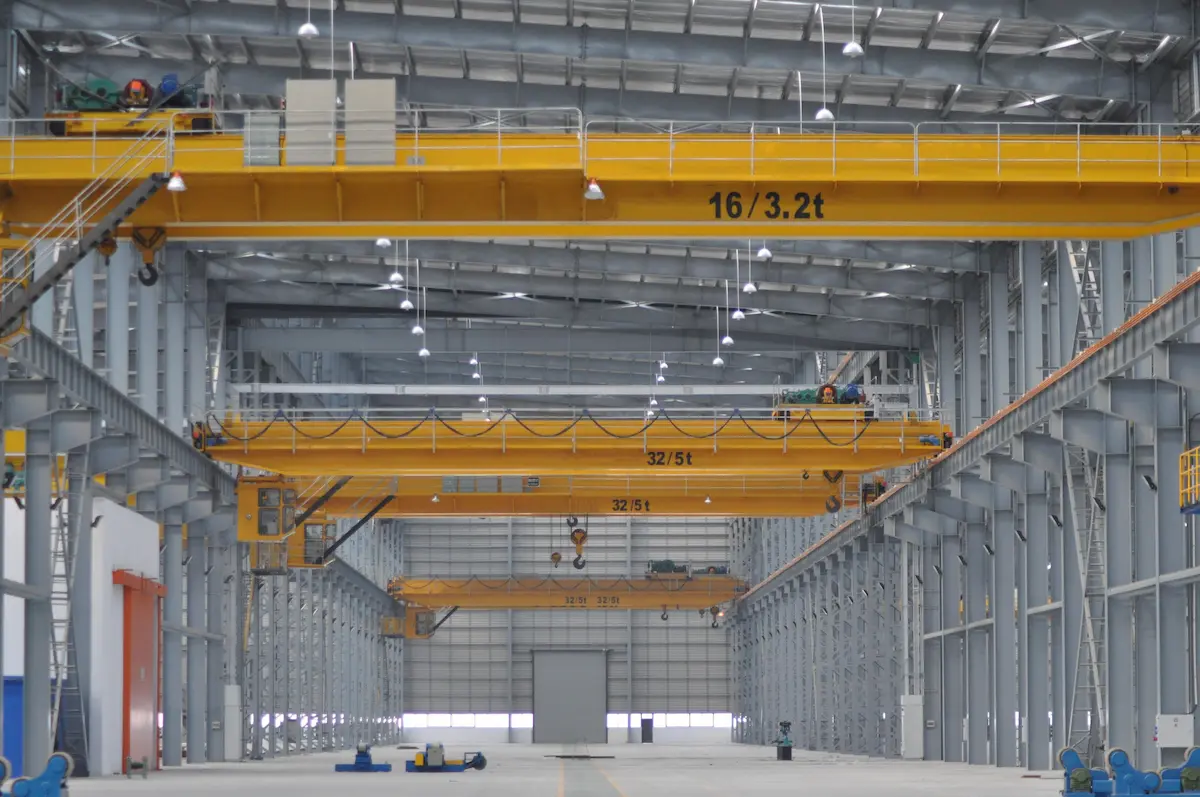
●Features: Nearly 24/7 operation, often under high-load conditions.
●Scenarios: Scrap metal handling, container moving, and stone processing centers.
●Advice: These require better motor cooling and high-grade gearboxes for continuous work.
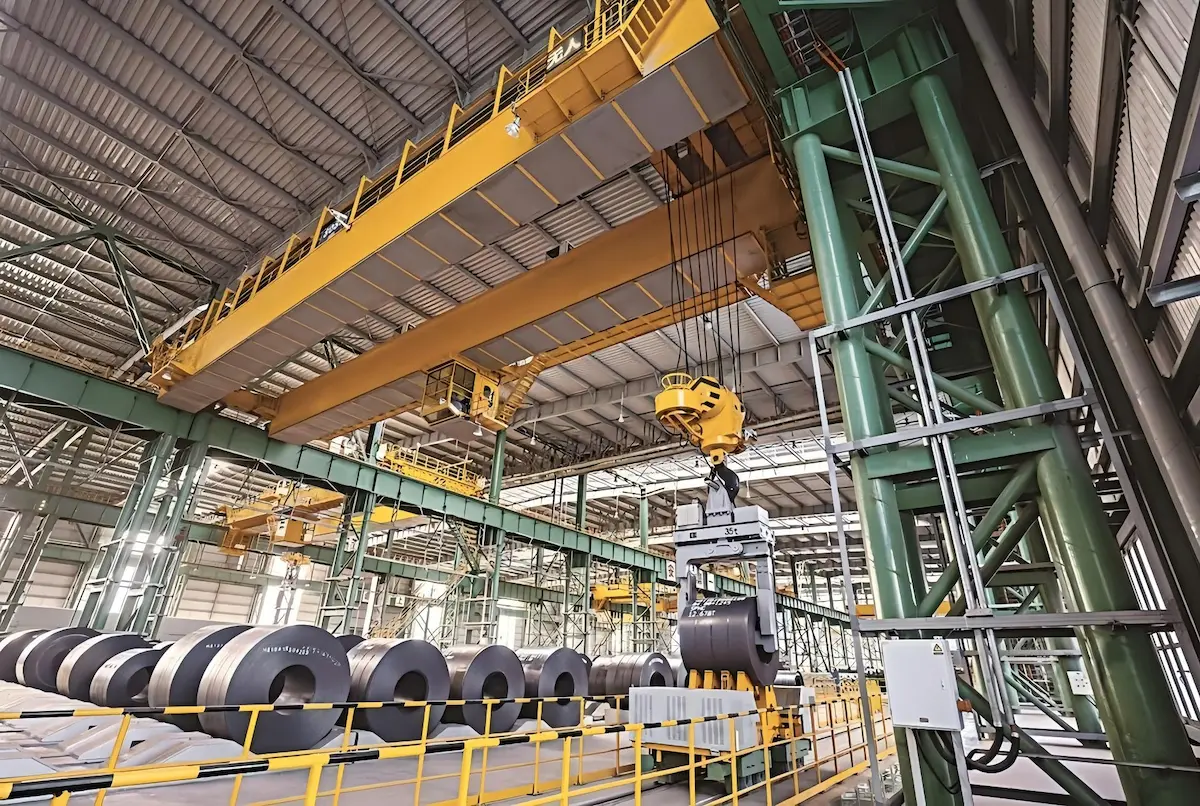
A7 & A8 – Severe Heavy Duty
●Features: Extreme environments with high speed, high frequency, and full loads.
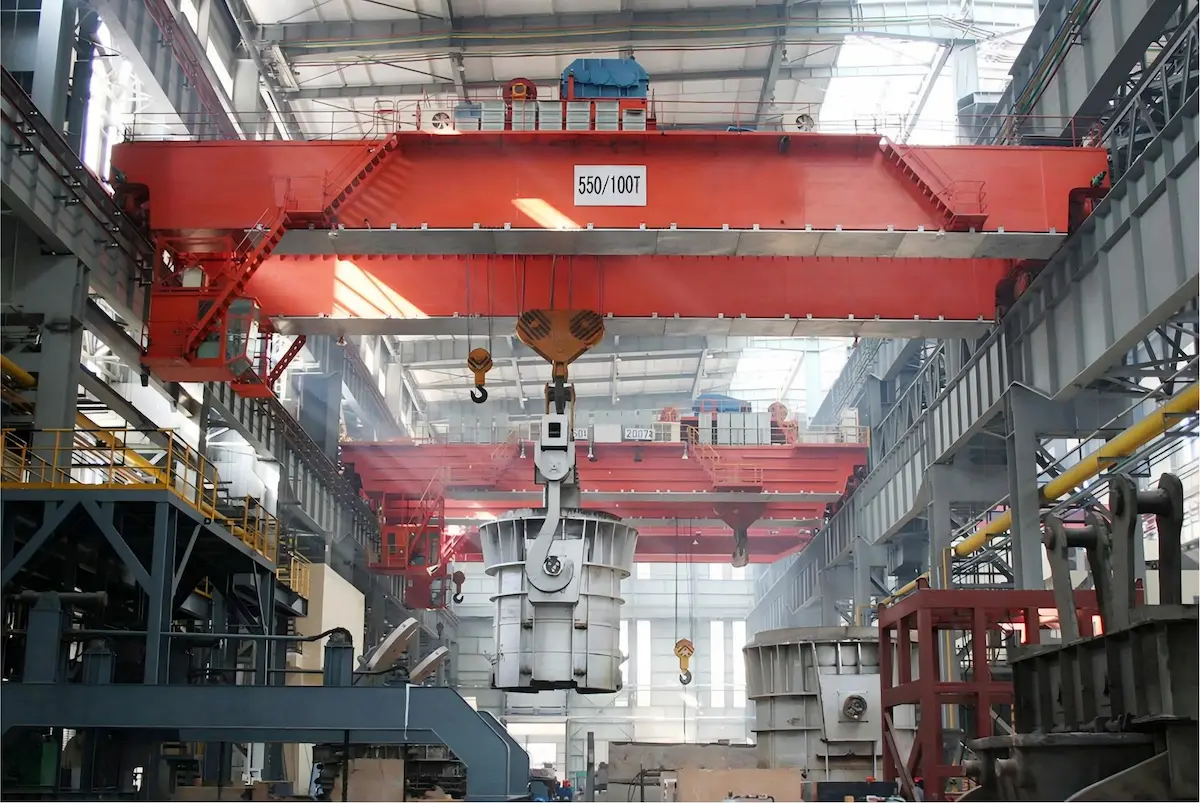
●Scenarios: Steel mills (casting cranes), waste-to-energy plants, and continuous mining.
●Advice: These are “production tools.” A8 designs must consider extreme fatigue strength and safety redundancy.
Why the Choice Between A5 and A7 Affects Profit
Can you use an A5 crane for A7 work? The answer: Short-term yes, long-term suicide.
●Maintenance Costs: An A5 crane in A7 conditions wears out parts 3-5 times faster.
●Downtime Loss: For continuous lines like steel mills, hourly losses far exceed the crane’s price.
●Safety: A3 structures may develop fatigue cracks under high-frequency use. This is unacceptable in heavy industry.
Three Key Steps for Scientific Crane Selection
Step 1: Calculate Daily Cycles
How many lifts per hour? How many hours per day?
Utotal=cycles/hour×hours/day×days/year×design years
Step 2: Evaluate Average Load
Does the crane lift 30%, 50%, or 90% of its rated capacity?
●If mostly lifting light items, you can choose a lower class.
●If lifting near-limit weights often, you must move up one grade.
Step 3: Consider Special Environments
●Heat: Steel mill environments require special motor insulation classes.
●Corrosion: Coastal or chemical plants need extra coatings and protection levels.
How HSCRANE Optimizes Your Crane Selection
At HSCRANE, we don’t just sell products; we provide site evaluations.
●FEA Optimization: We simulate stress for A7/A8 grades to ensure a 20-year main beam life.
●Smart Inverter Systems: Standard high-quality inverters reduce mechanical impact through smooth starts.
●Modular Design: Our components are highly interchangeable. This allows for cost-effective upgrades if your needs grow.
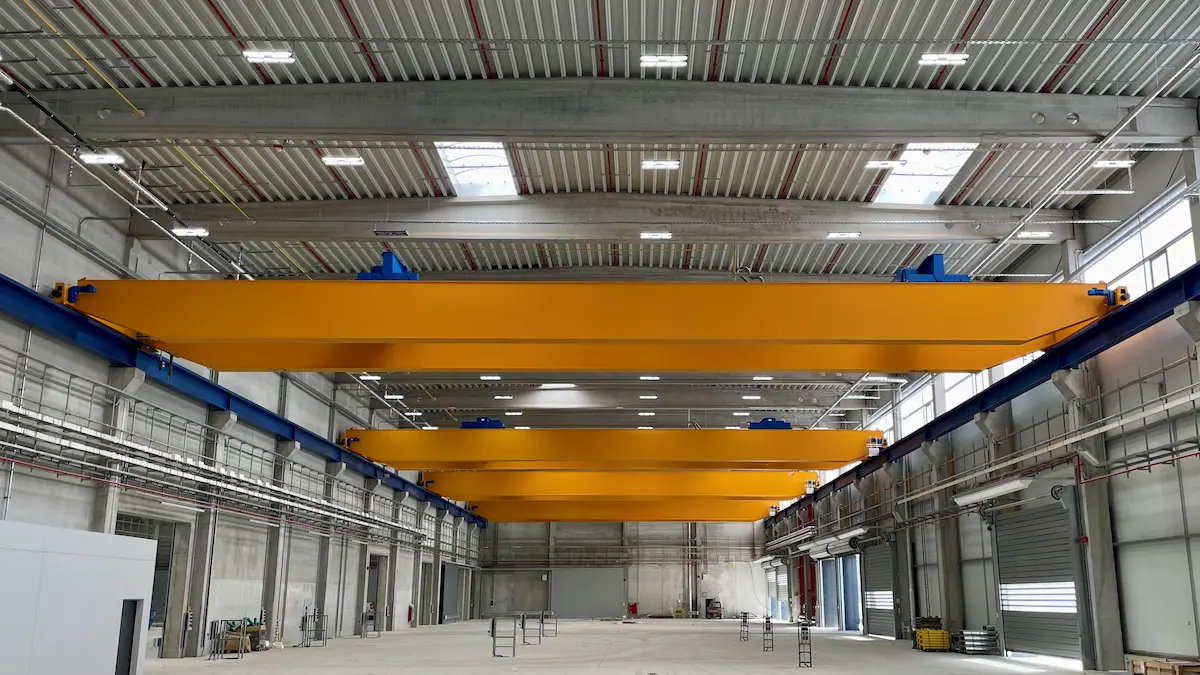
When selecting an overhead crane, capacity is merely the “strength,” while the duty classification represents the “endurance.” Only when strength and endurance match can you maximize factory efficiency.
If you are unsure which classification fits your specific operating conditions, feel free to consult HSCRANE’s technical engineers. We provide free load analysis and selection solutions.
Need Customized Crane Selection Advice?
[Contact HSCRANE Experts for a Free Quote]
This document is for reference only. Specific operations must strictly comply with local laws and regulations and equipment manuals.
Recent Post