Blog
- Home
- Blog
What Technical Parameters to Prepare Before Buying an Overhead Crane
Overview
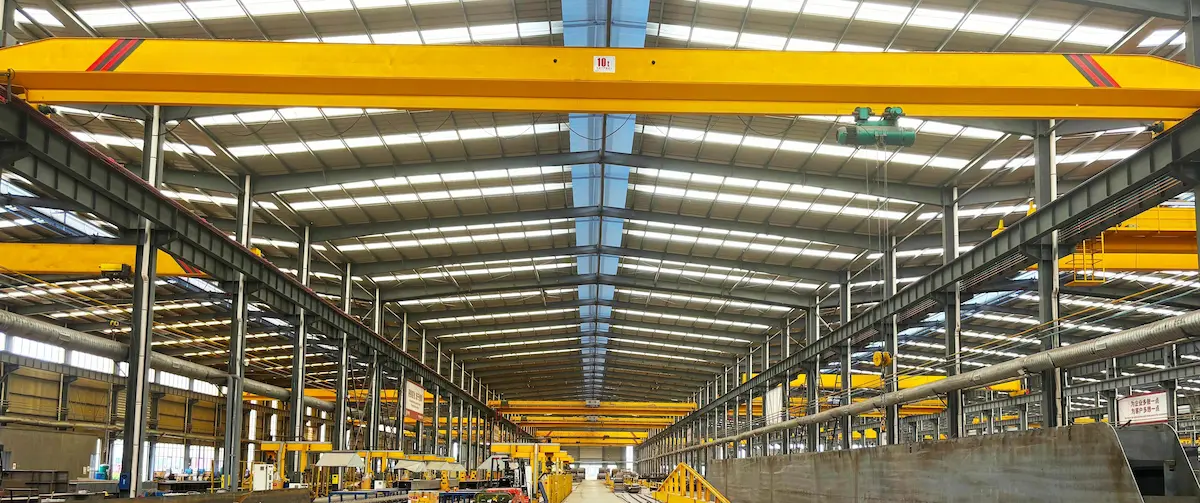
We often get inquiries: “I need a 10-ton overhead crane. How much does it cost?” Actually, 10-ton capacity alone cannot yield an accurate quote. Professional sales engineers need more detailed specifications. An overhead crane is a highly customized special equipment. Its design links to factory construction, production pace, and long-term maintenance costs. Clarifying key parameters before asking for quotes cuts communication costs. You get accurate quotes and avoid serious installation interference. It prevents issues like low lifting height or fast wear. We listed the core technical parameters for overhead crane selection to help your procurement.
Core Performance Parameters: Capacity and Dimensions
These basic parameters decide the physical shape of an overhead crane. They determine steel usage and motor selection directly.
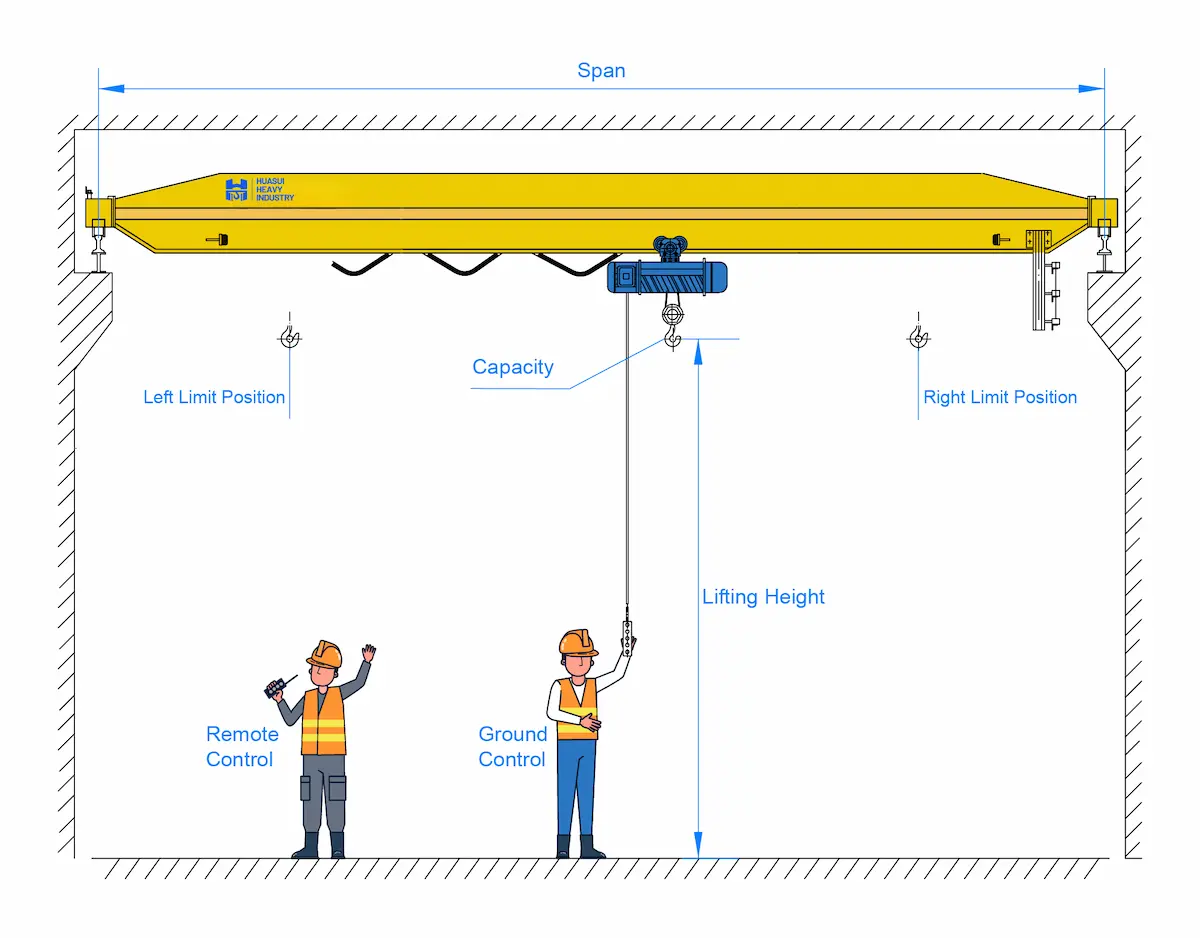
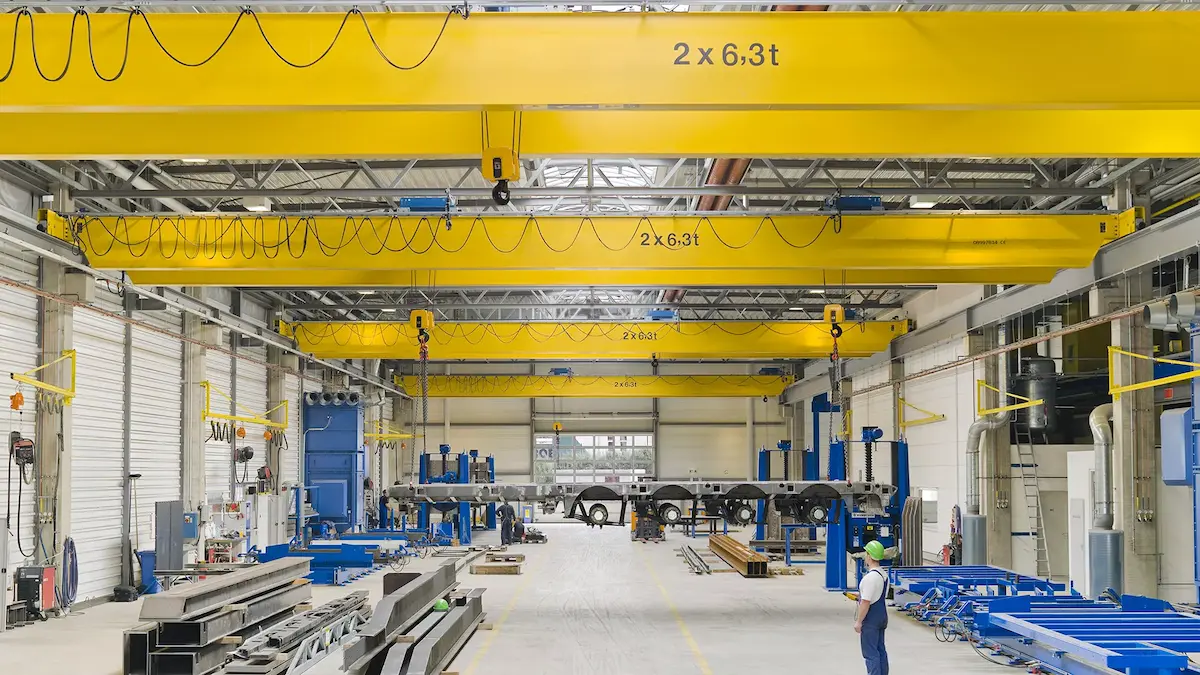
●Capacity: Define the maximum load weight you need to lift. If you lift 5 tons daily and 8 tons occasionally, choose 10 tons. Standard capacities usually include 5t, 10t, 16t, and 20t. For long or turning loads, consider main and auxiliary hooks like 50t/10t. The main hook handles heavy loads while the auxiliary hook works fast.
●Span: Span is the distance between rail centerlines in meters. Span does not equal factory width. It depends on rail positions on column corbels. Span measurements must be precise, usually controlled within millimeter levels.
●Lifting Height: This is the vertical distance from hook center to ground at highest position. Consider clearance height above rails. Ensure the overhead crane never hits the roof.
Key to Overhead Crane Lifespan: Duty Class
Non-professional buyers easily ignore duty class. Yet it causes the biggest price difference in overhead cranes. Duty class reflects crane busyness and load factors. Standards include FEM 1Am-4m or ISO A3-A8. Lifting twice daily differs completely from working 24 hours continuously. Mechanical structures, motor margins, and bearing life vary greatly.
|
Typical Application |
Recommended Duty Class |
Equipment Configuration Features |
| Pump & Generator Maintenance | A3 | Low cost. Mechanical parts suit intermittent work. |
| Machinery & Steel Handling | A5 | High cost-performance ratio. Standard setup with wide applicability. |
| Paper Mills & Continuous Lines | A6 – A7 | High motor heat dissipation needs. Reinforced anti-fatigue structures. |
| Steel Mills & Scrap Handling | A7 – A8 | Class H insulation motors. Redundant design for high temperature and dust. |

Overhead Crane Running Speed and Control System
Overhead crane speed directly relates to workshop logistics efficiency. It usually includes main lifting, trolley, and crane travel speeds.
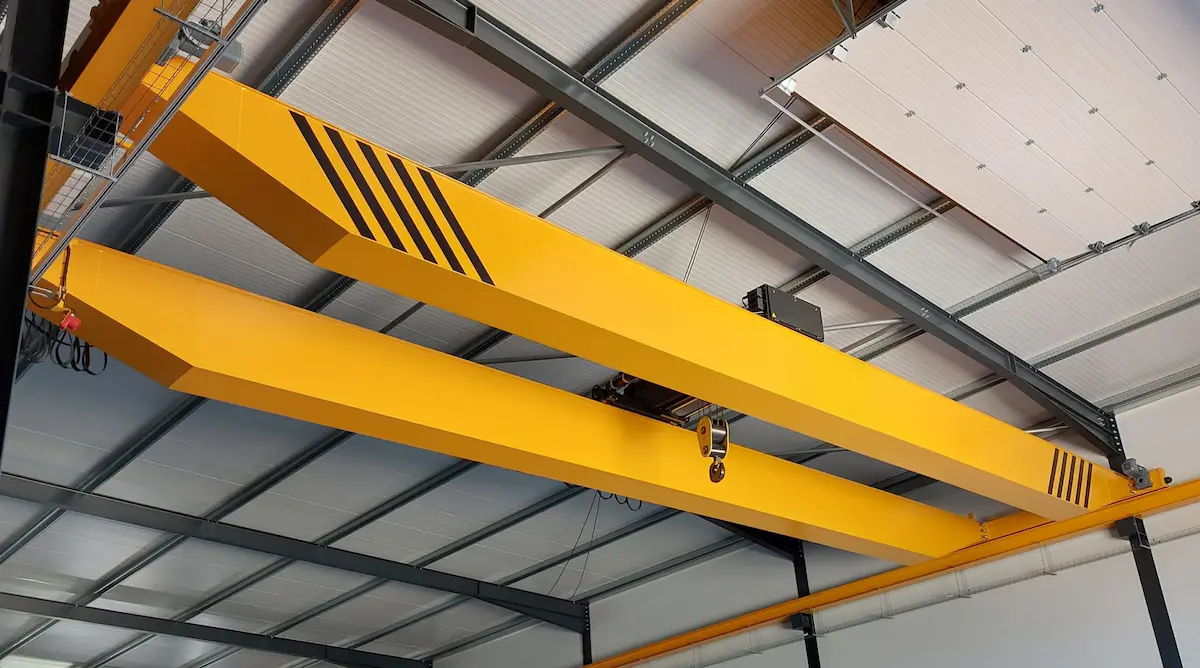
●Single vs. Dual vs. VFD: Traditional single-speed motors cause huge shocks when starting and stopping. This makes suspended loads sway easily. Does your lifting work require precise positioning? Examples include mold assembly and precision machining. If so, we strongly recommend choosing VFD or dual-speed motors. VFD achieves stepless speed regulation and smooth starting. It achieves anti-sway effectively, boosting safety and accuracy greatly.
●Control Methods: There are three main types today. Pendant control uses hanging buttons for light, short-span work. Wireless remote control gives operators a wide view. It is the most popular choice. Cabin control suits large-span, high-speed, and heavy-duty overhead cranes.
On-site Conditions and Power Environment
The working environment of an overhead crane decides its required protection level.
●Power Supply: The Chinese standard is usually 3-phase AC 380V/50Hz. Is the equipment for export or special factories? Please inform us of the voltage and frequency in advance. Examples include 415V/50Hz or 460V/60Hz.
●Working Environment: Is it indoors or outdoors? Outdoor cranes need rain covers and high-standard anti-corrosion paint. They might even need anti-wind and anti-slip devices.
●Special Hazardous Media: Does the plant have corrosive gases? Are there flammable and explosive dusts? This requires explosion-proof cranes with Exd-level motors and control boxes. Is there high-temperature radiation? Metallurgical workshops need heat insulation boards under the main girder.
Special Custom Needs for Overhead Crane Gear
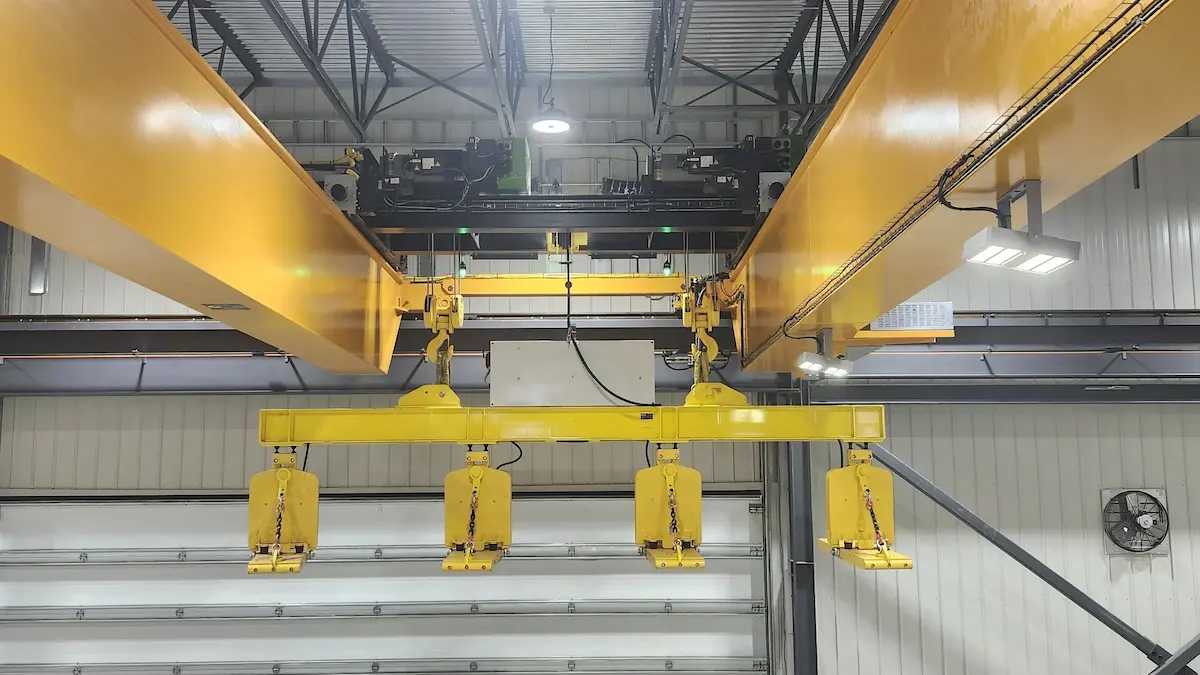
Lifting objects vary greatly. Besides standard forged hooks, overhead cranes use exclusive gear based on material features:
●Electromagnet: Used for handling scrap steel and steel plates.
●Hydraulic/Mechanical Grab: Used for bulk materials like sand, coal, and garbage.
●Container Spreader: Designed for container handling in ports or logistics parks.
When using special gear, deduct its deadweight from the parameter list. This calculates the actual effective lifting capacity.
Conclusion
A perfect technical parameter list is the first step. It ensures buying a highly cost-effective and adaptable overhead crane. After preparing these data, the crane manufacturer’s technical team acts quickly. They will perform stress analysis and 3D modeling for you. Then they output a final quote with drawings, electrical diagrams, and detailed lists.
This document is for reference only. Specific operations must strictly comply with local laws and regulations and equipment manuals.
Recent Post