Blog
- Home
- Blog
Steel Pipe Yard Gantry Crane Lifting Plan Design: Key Steps and Precautions
Overview
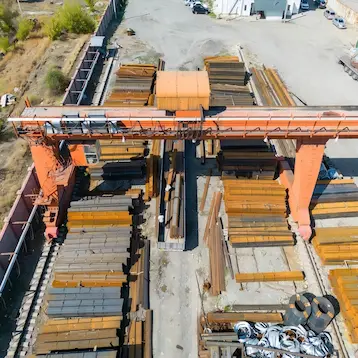
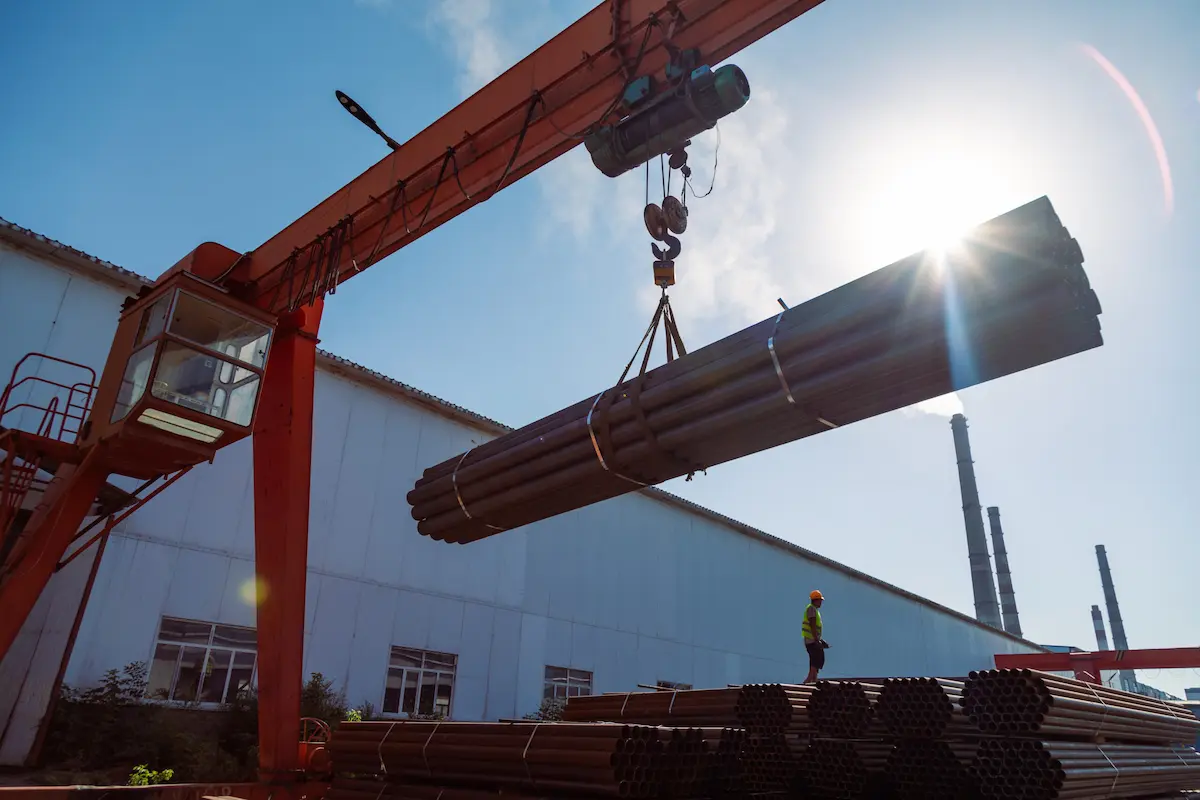
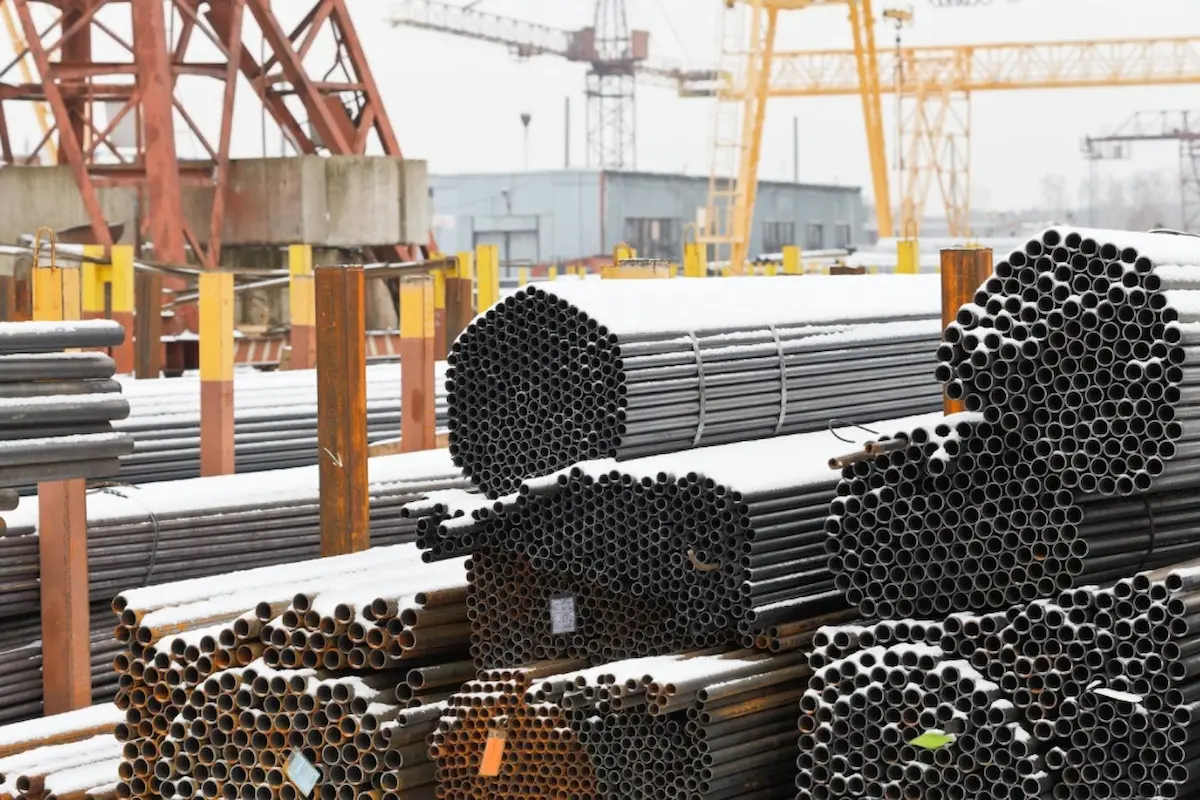
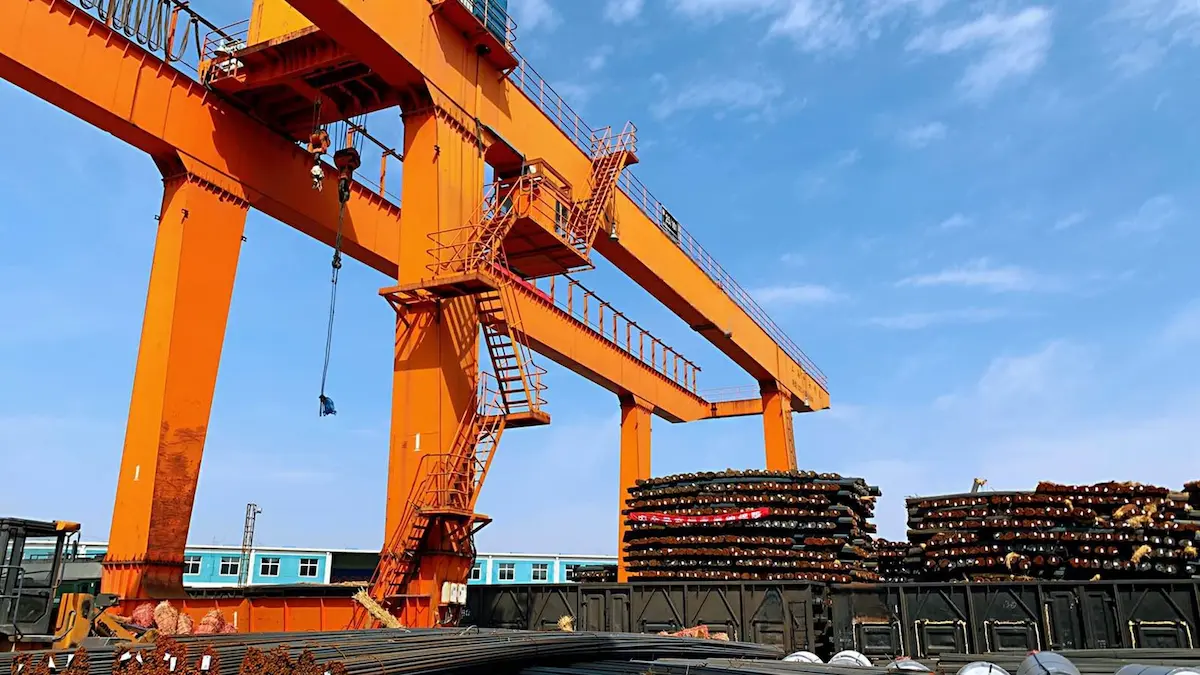
A steel pipe yard usually stores steel pipes of different diameters, lengths, wall thicknesses, and weights. It involves pipe receiving, stacking, transfer, sorting, and truck loading. Steel pipes are long, cylindrical, and easy to roll. Improper lifting methods can cause pipe slippage, collision, deformation, or even falling. A gantry crane can cover a large yard working area. It has strong lifting capacity, wide travel range, and high material transfer efficiency. It suits open-air steel pipe yards and large storage areas. Therefore, when designing a gantry crane lifting scheme for a steel pipe yard, do not consider only rated lifting capacity. Also analyze pipe specifications, yard layout, spreader type, work flow, and site safety conditions.
Key Steps in Designing a Gantry Crane Lifting Scheme for a Steel Pipe Yard
Clarify Steel Pipe Parameters and Lifting Requirements
Before making a lifting scheme, first collect basic steel pipe parameters. Determine the maximum load and typical working conditions the crane must handle. Mainly understand the following information:
●Steel pipe specifications: Outer diameter, length, wall thickness, and single pipe weight.
●Lifting form: Single pipe lifting, bundled multi-pipe lifting, or mixed transfer of different pipe specifications.
●Operating frequency: Daily lifts, pipes per lift, and peak-period workload.
●Work positions: Locations of pipe unloading, stacking, sorting, and truck loading areas.
●Site conditions: Yard width, rail length, ground bearing capacity, and outdoor wind environment.
For bundled multi-pipe lifting, also confirm the bundling method and center of gravity. Check whether pipes may slide against each other during lifting.
Reasonably Plan the Gantry Crane Travel Area
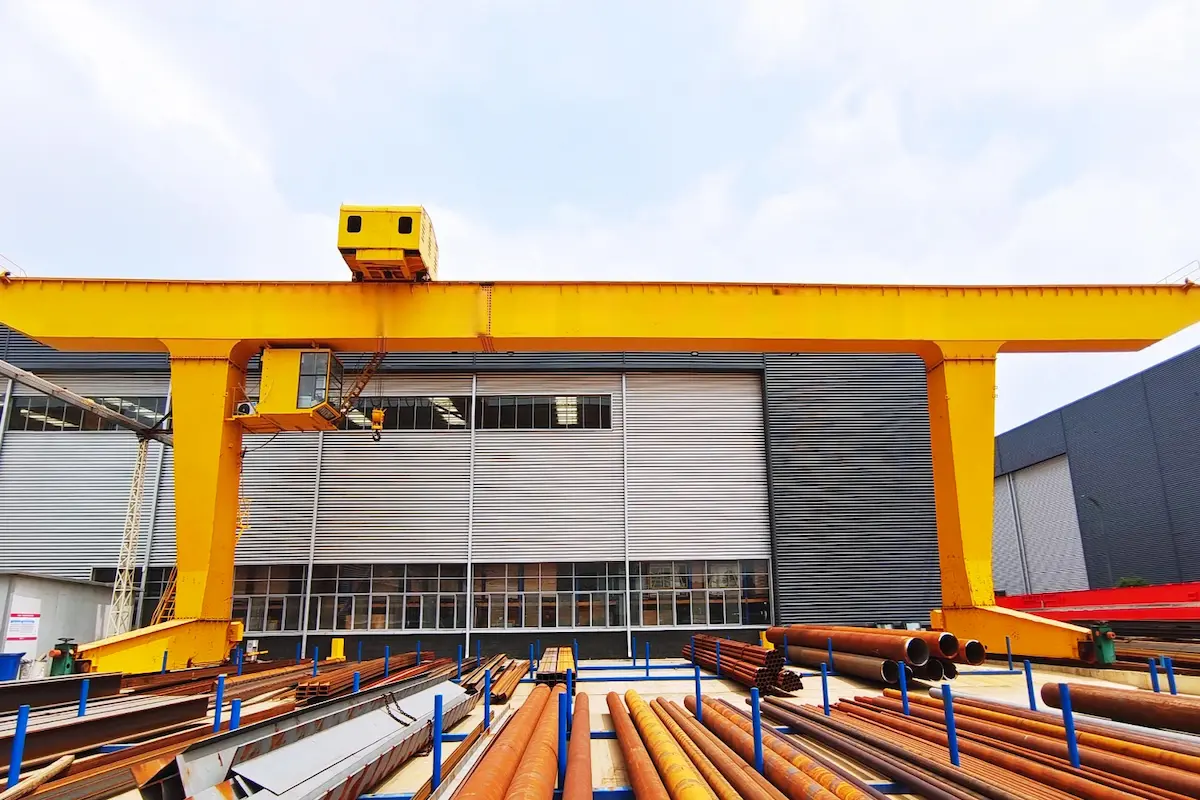
Yard layout directly affects gantry crane operating efficiency. During design, consider pipe inbound and outbound directions and vehicle routes. Divide different work areas.
|
Work area |
Main function |
Planning focus |
| Unloading area | Receive steel pipes from transport vehicles | Reserve lifting space and avoid vehicle-crane conflicts |
| Pipe stacking area | Store different pipe specifications by category | Zone by diameter, length, and specification; provide reliable supports |
| Sorting area | Pipe classification and outbound preparation | Keep lifting aisles clear and reduce repeated handling |
| Loading area | Transfer pipes to transport vehicles | Reasonably arrange vehicle parking positions and lifting paths |
In addition, determine crane span, lifting height, and rail layout. Base this on yard width, pipe stacking height, and target lifting height. For open-air yards, fully consider wind load, wind anchoring, and rain corrosion.
Select Suitable Spreaders Based on Steel Pipe Characteristics
The spreader is an important part of the pipe lifting scheme. Different pipe sizes and lifting methods require different spreader capacity, clamping method, and force distribution.
|
Lifting condition |
Recommended spreader configuration |
Design focus |
| Single long pipe | Dedicated lifting beam with slings or pipe clamps | Multi-point force to reduce pipe bending and swing |
| Bundled multiple pipes | Dedicated lifting beam with bundle spreader | Prevent pipe scattering and slippage during lifting |
| Large-diameter pipe | Dedicated pipe clamp or custom spreader | Clamping stability and local pipe wall deformation |
| Coated steel pipe | Dedicated spreader with protection pads | Avoid crushing, scratching, and coating damage |
For longer steel pipes, consider a design with multiple lifting points and a dedicated lifting beam. This makes the load more uniform. It reduces deformation risk from concentrated force at a single point. Note that ordinary strapping bands are not qualified lifting slings. Design and verify spreaders by pipe weight, center of gravity, clamping capacity, and actual conditions.

Establish a Standardized Lifting Work Process
A reasonable operating process can reduce waiting time, repeated handling, and human error risk. It is recommended to divide steel pipe yard lifting into the following stages:
●Work preparation: Check pipe specifications, weight, lifting destination, and spreader condition.
●Spreader connection: Install slings, lifting beams, or dedicated clamps per the design. Confirm secure connection.
●Trial lift check: Perform a short trial lift. Check pipe balance, clamping stability, and braking.
●Horizontal transfer: Operate hoisting, long travel, and cross travel smoothly. Avoid sudden stops, rapid acceleration, and large swing.
●Accurate placement: Confirm support position. Lower slowly and place pipes in the designated area.
●Spreader release: After confirming pipe stability, release the spreader and start the next cycle.
During work, use proper signal command and personnel division. Ensure effective communication between crane operators and ground lifting personnel.
Safety Precautions for Steel Pipe Yard Lifting Operations
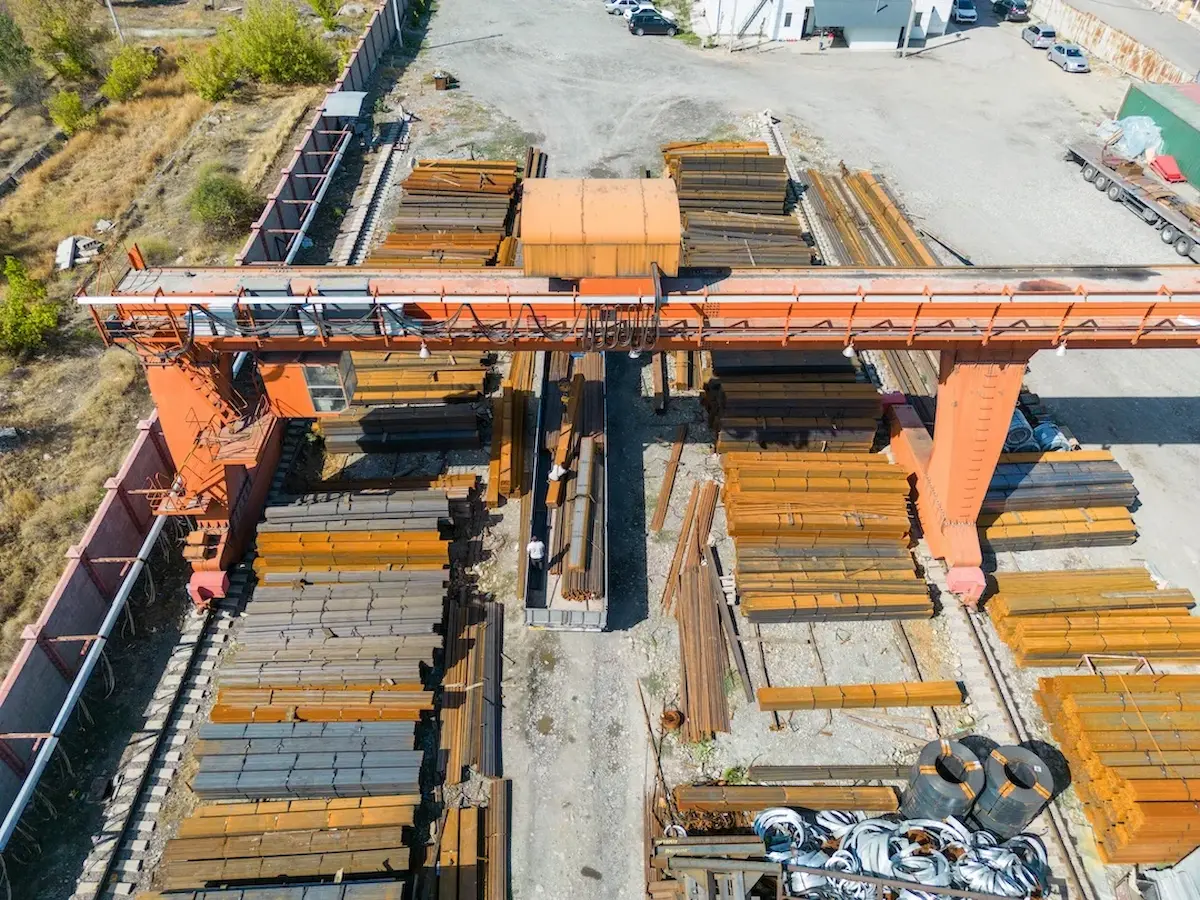
Steel pipes can roll and have large inertia. Focus on controlling the following risks during lifting:
●Prevent pipe rolling and slippage: Use sleepers, saddles, or dedicated supports that meet load requirements. Set reliable anti-rolling measures. Check bundling before lifting. Do not rely only on packaging straps to bear the lifting load.
●Prevent uneven spreader loading: Determine lifting point positions by pipe length and center of gravity. Check sling angle, lifting beam structure, and all connections. The spreader must not be overloaded or have obvious wear or deformation.
●Control pipe swing: Keep lifting and travel smooth. For long pipes that swing easily, use guide ropes based on site risk. Personnel must not stand in the swing range. Do not use guide ropes to enter danger zones and force control.
●Mark safe work areas: Set isolation measures below pipe lifting routes and potential collision areas. No one may stay or pass under a suspended load.
●Strengthen outdoor environment management: For open-air work, monitor strong wind, thunderstorms, and low visibility. Determine shutdown conditions per equipment design and site rules. Implement wind protection, anti-slip, and anti-corrosion measures.
How to Improve Yard Efficiency Through Proper Gantry Crane Configuration?
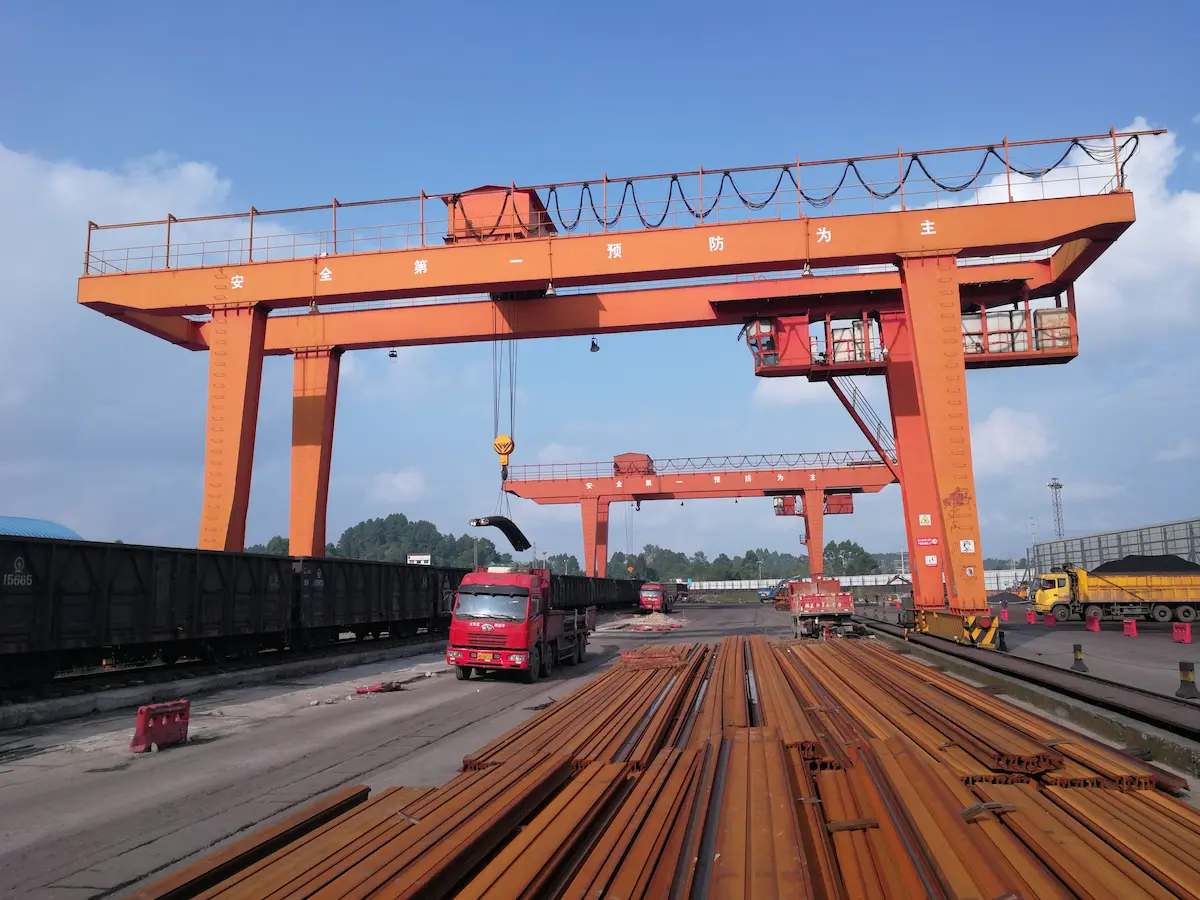
For a steel pipe yard, proper crane configuration determines single-lift capacity. It also affects overall material flow efficiency. Optimize from the following aspects:
●Choose the crane type properly: Determine single-girder or double-girder gantry crane configurations. Base this on span, lifting capacity, working frequency, and yard structure.
●Configure dedicated spreaders: Select suitable lifting beams and clamps for single-pipe, bundled, and long-pipe lifting.
●Optimize the control system: Configure VFD speed control, remote operation, necessary travel limits, and safety devices per accuracy requirements.
●Reduce ineffective handling: Plan unloading, storage, sorting, and loading routes. Reduce repeated pipe transfer between areas.
●Improve equipment maintenance: Regularly inspect hoisting mechanism, wire ropes, brakes, wheels, rails, and electrical systems. Keep equipment running stably.
Conclusion
Designing a gantry crane lifting scheme for a steel pipe yard is systematic work. It involves equipment selection, yard layout, spreader configuration, load calculation, and safety management. Only with full knowledge of pipe specifications and actual needs can you make a safe, stable, and efficient scheme. A professional gantry crane manufacturer can provide targeted equipment and lifting solutions. Base these on pipe length, maximum load, yard span, work frequency, and site environment.
If you are planning a steel pipe yard or upgrading existing lifting equipment, contact HSCRANE. Provide your pipe specifications, yard dimensions, and lifting needs. Get a gantry crane solution suited to actual conditions.
This document is for reference only. Specific operations must strictly comply with local laws and regulations and equipment manuals.
Recent Post