Blog
- Home
- Blog
Single vs. Double Girder Gantry Crane Cost Analysis: A Lifecycle Guide
In industrial lifting engineering, the selection of a gantry crane directly dictates both initial Capital Expenditure (CAPEX) and long-term Operational Expenditure (OPEX). The cost disparity between single and double-girder structures is not merely a reflection of steel consumption; it is fundamentally rooted in a comprehensive trade-off involving structural rigidity, stress modeling, manufacturing processes, and long-term maintenance requirements.
Gantry Crane Structural Design and Material Cost Differences
The fundamental difference between single and double-girder designs lies in the main girder’s resistance to bending and torsion.
Single-Girder Gantry Crane
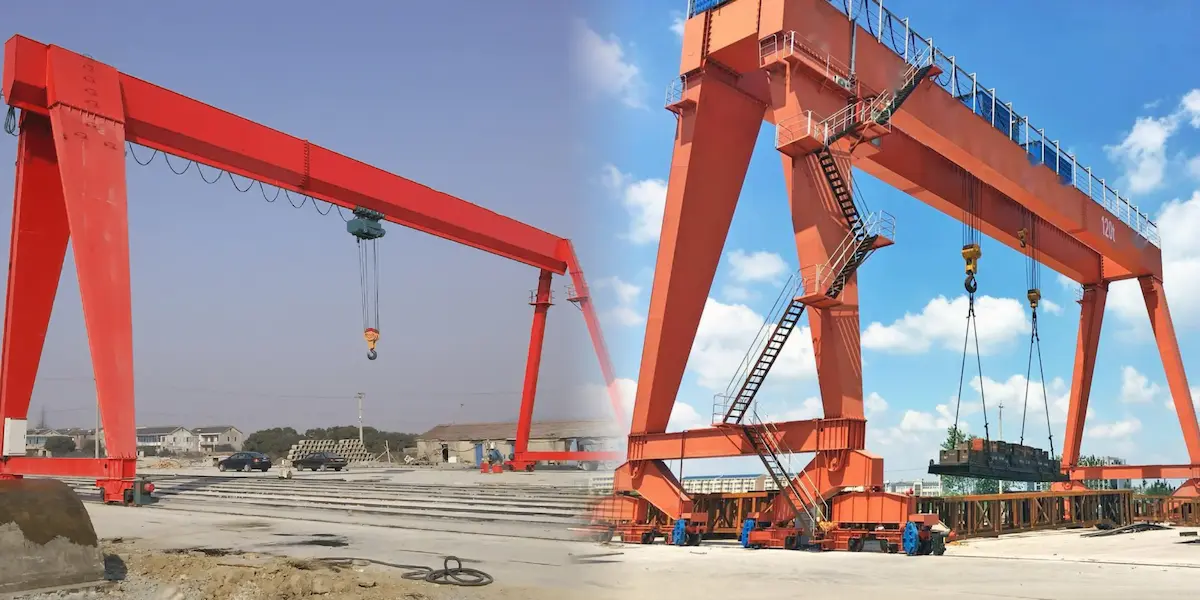
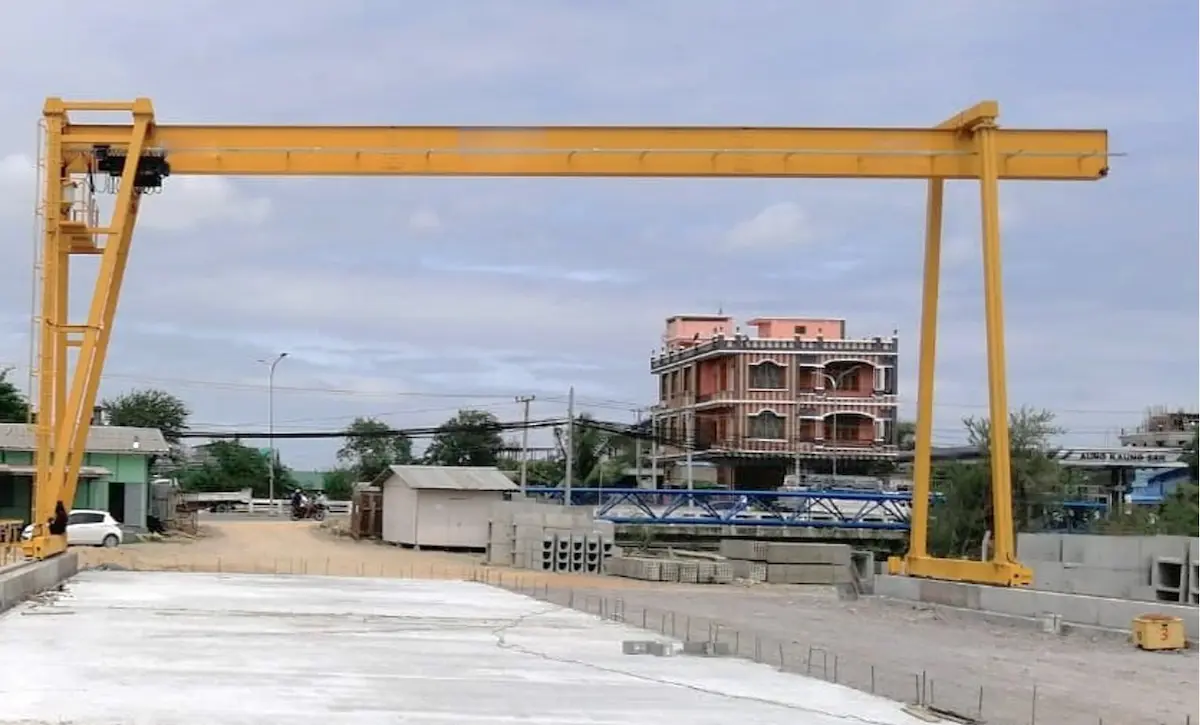
Single-girder gantry cranes typically employ an “H” beam or box-girder structure, with an electric hoist (usually underslung or suspended) mounted on the lower flange of the main girder.
●Material Properties: Simple structure with lower dead weight. The design focus is on meeting deflection limits across the span.
●Cost Advantages: Steel consumption is significantly lower than that of double-girder designs. Due to centralized stress points, the steel structure requires fewer manufacturing steps, resulting in lower costs for welding and splice error control.
●Limitations: Constrained by the electric hoist’s lifting height and structural stability, single-girder cranes require a substantial increase in steel plate thickness to resist torque under large spans or ultra-heavy loads, which reduces their cost-effectiveness in such applications.
Double-Girder Gantry Crane
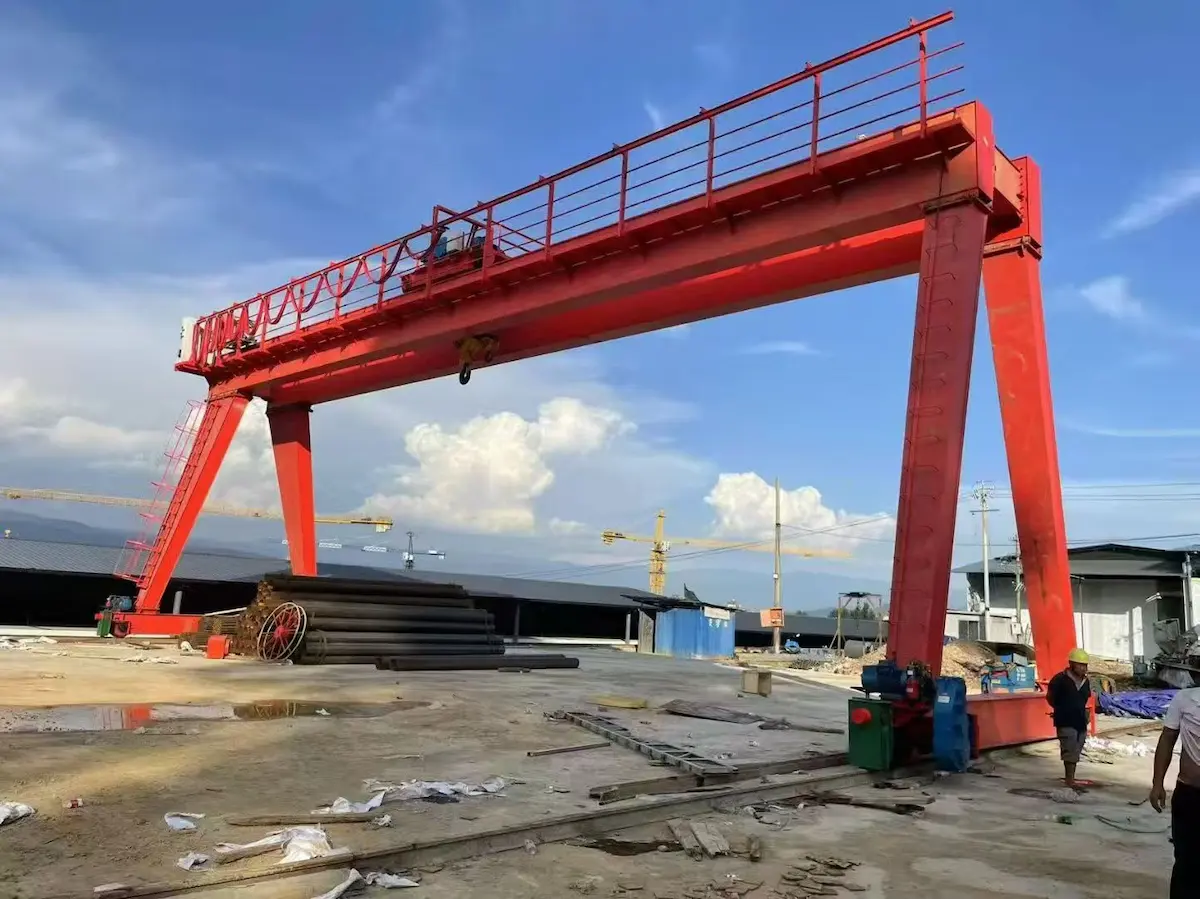
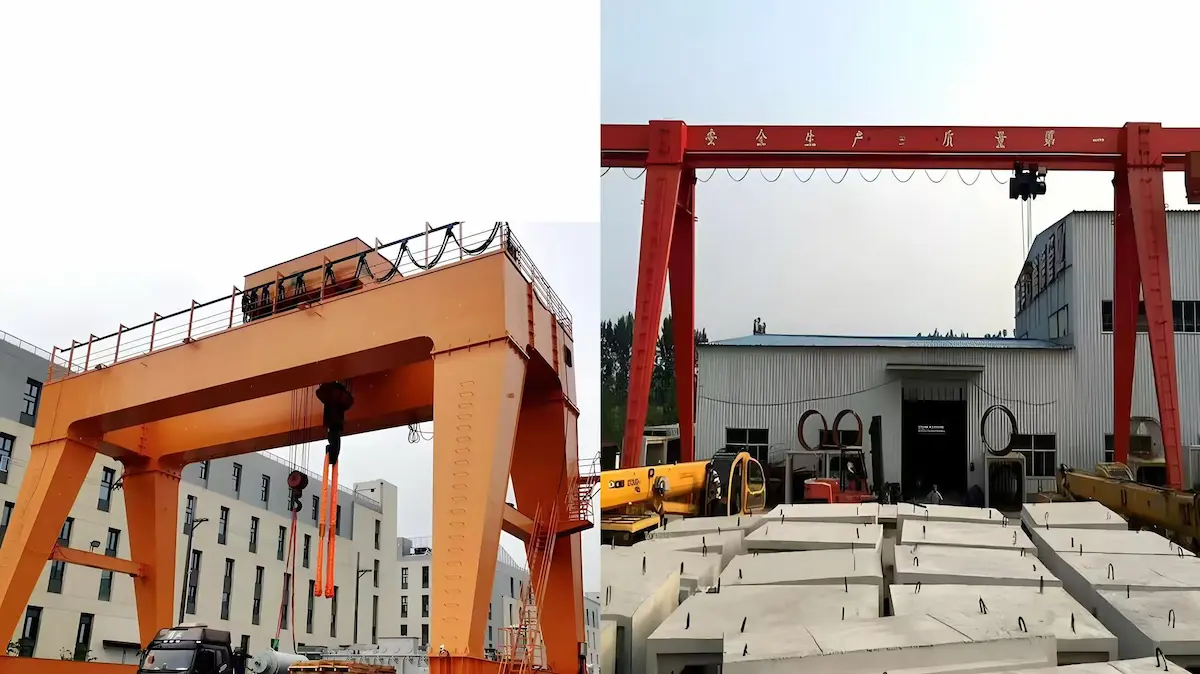
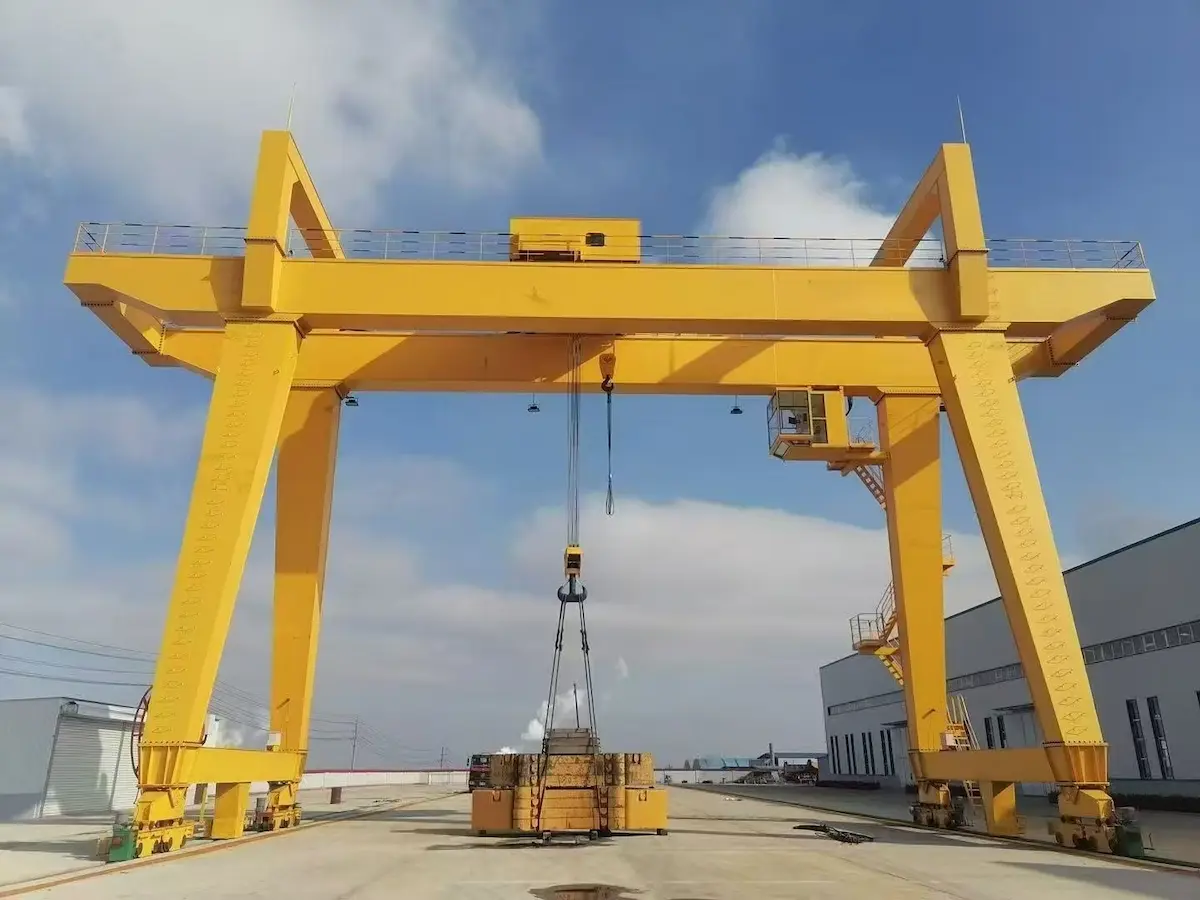
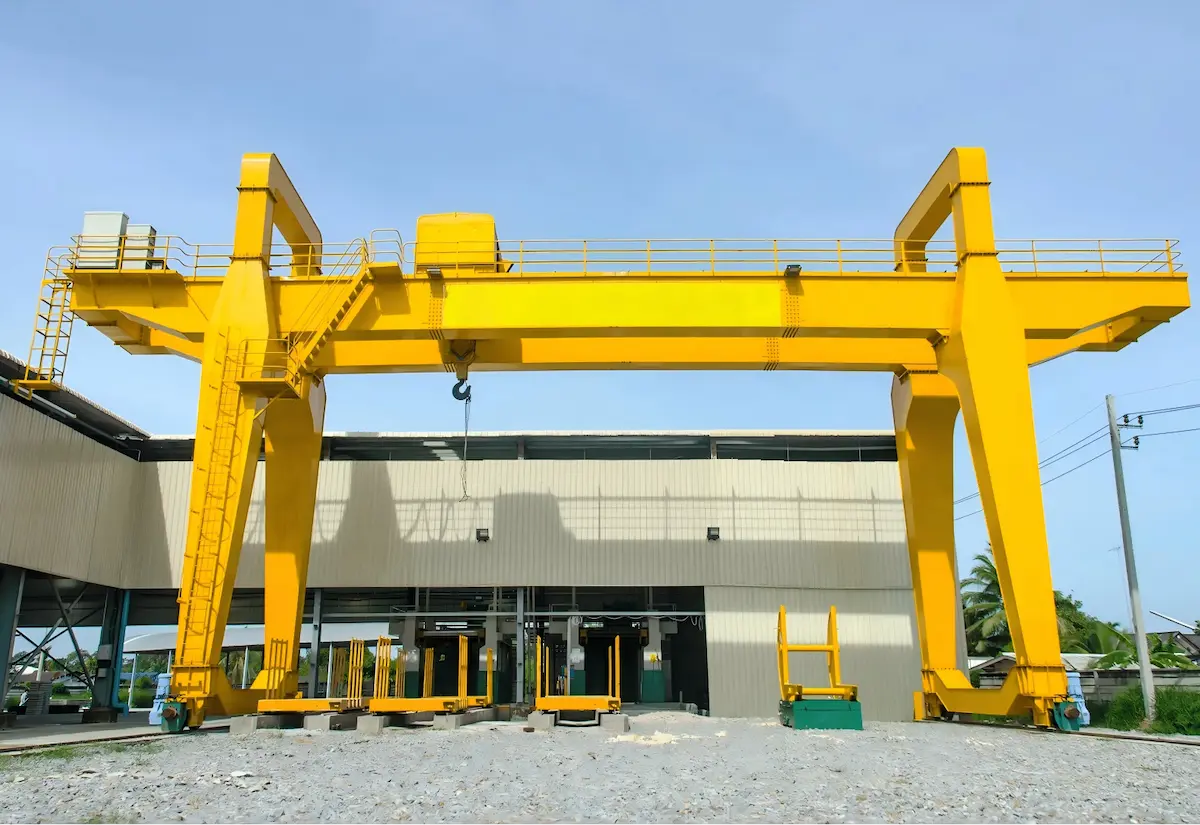
Double-girder gantry cranes feature parallel main girders with a trolley running on rails mounted atop the girders.
●Material Properties: Utilizing a twin box-girder structure, the torsional rigidity far exceeds that of single-girder designs. The enclosed box-section design effectively enhances fatigue resistance.
●Cost Factors: Manufacturing processes are complex. Box girders require multiple longitudinal and transverse stiffening diaphragms, along with stringent automatic welding and non-destructive testing (NDT) requirements. Furthermore, double-girder cranes utilize double-rail trolleys, doubling the required mechanical components (wheel sets, drive reducers), which increases the total capital equipment cost by 30%–50%.
Gantry Crane Manufacturing Processes and Logistics Costs
Manufacturing Precision Control
The precision requirements for a double-girder structure go beyond the main girders themselves; they specifically dictate the parallelism and span center-to-center distance. If manufacturing precision is inadequate, it leads to severe “rail gnawing,” resulting in extremely high maintenance costs for subsequent rail and wheel replacements. Therefore, the high cost of sophisticated manufacturing processes is the primary reason for the higher price point of double-girder cranes.
Logistics and Transport Logic
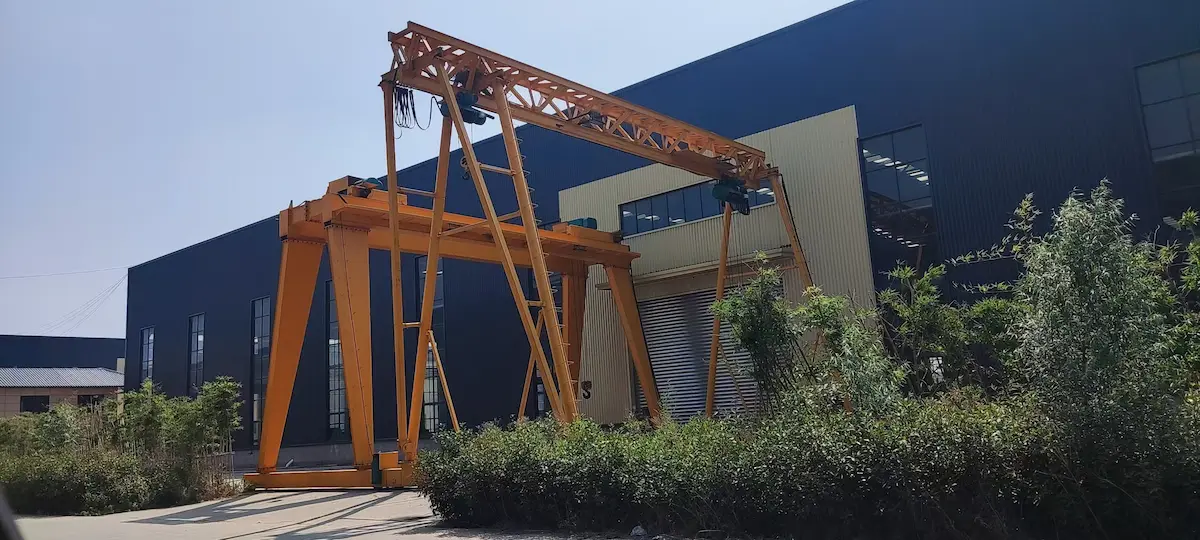
●Single-Girder: Features a relatively low structural profile, allowing for mature and efficient dismantling and transport solutions. For small to medium tonnages, the unit is often transportable fully assembled or in simple modules, minimizing on-site assembly time.
●Double-Girder: Due to its larger structural volume, long-span double girders require segmented transport. On-site installation necessitates large cranes for girder alignment (butt welds require X-ray NDT inspection). The machinery rental fees and specialized labor costs for professional welders constitute significant “hidden costs” at the installation site.
Operational Environment and OPEX Analysis
Operational Expenditure (OPEX) is often overlooked during initial procurement decisions, yet it remains the core component of the equipment’s value over its full lifecycle.
Component Lifespan and Maintenance Frequency
The trolley of a double-girder crane runs atop the main girders, subjecting the structure to “compressive loading” rather than the “suspended loading” characteristic of single-girder cranes. This design allows double-girder cranes to achieve a longer fatigue life when handling heavy-duty cycles (e.g., ISO M5–M8).
●Component Wear: Single-girder electric hoists are highly integrated products; maintenance often requires the removal and replacement of the entire unit. Conversely, the wheels, drums, and reducers of double-girder cranes are independent modules, offering a modular maintenance advantage that lowers the cost of replacing individual parts.
●Rail Maintenance: The trolley rails of a double-girder crane are located above the box girders, ensuring even load distribution and resulting in far less lateral rail wear compared to single-girder structures.
Energy Consumption and Operational Efficiency
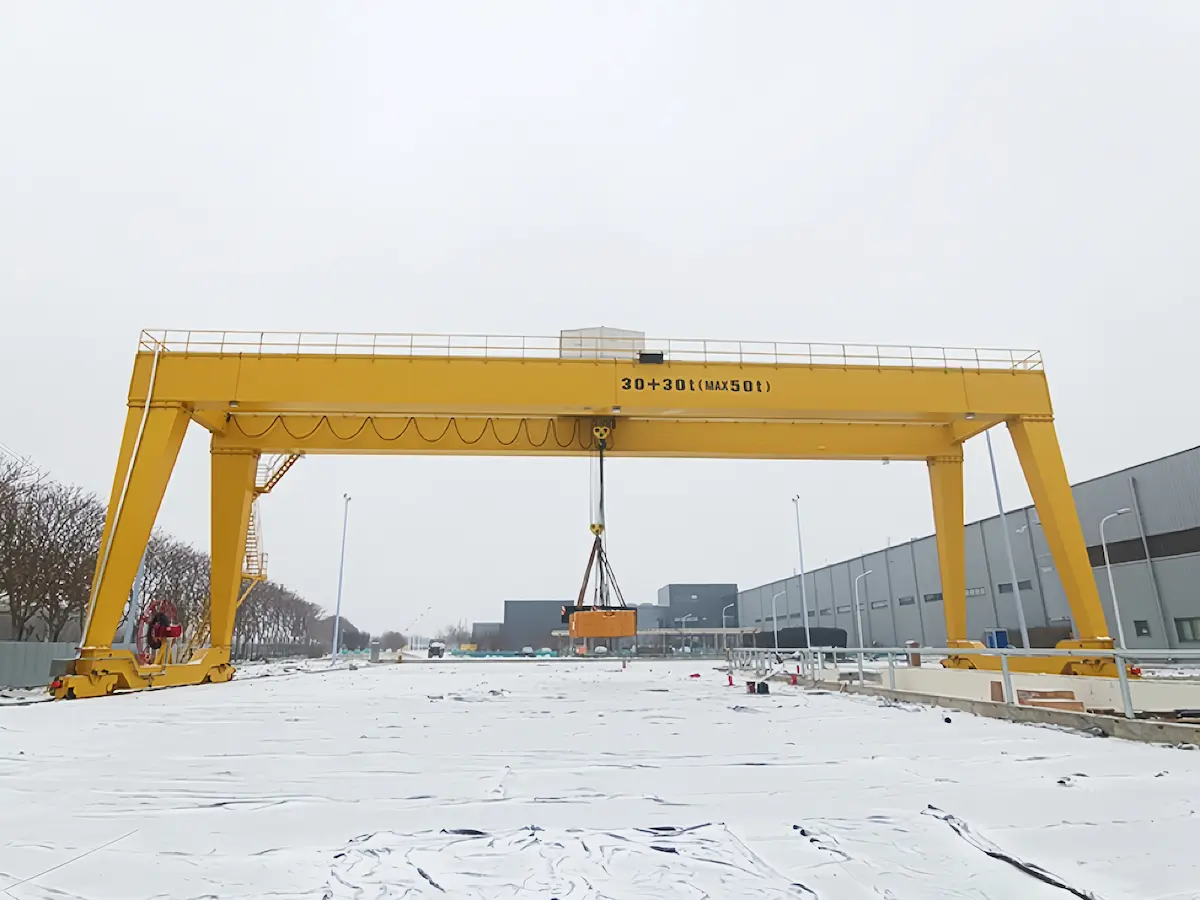
When lifting heavy loads, the main girder of a single-girder structure may experience elastic deflection, causing horizontal load displacement and affecting operational precision. With their superior structural rigidity, double-girder cranes provide more precise positioning when lifting delicate components, reducing inefficient energy consumption caused by repeated positioning adjustments.
Decision Matrix: How to Calculate ROI
When assessing cost differences, do not rely solely on quotations. The following evaluation logic should be applied:
|
Evaluation Dimension |
Single-Girder Gantry |
Double-Girder Gantry |
| Rated Load | Suitable for < 10t | Suitable for > 10t (up to 500t+) |
| Duty Cycle | Low frequency (A3) | High frequency/Heavy duty (A5-A8) |
| Complexity | Simple, single rail | High, 4-wheel or 8-wheel travel |
| Manufacturing Lead Time | Short | Long (requires box-girder processes) |
| Total Cost of Ownership (TCO) | Low initial investment, higher maintenance | High initial investment, low long-term OPEX |
Gantry Crane Selection Recommendations
- For loads < 10t and spans < 20m: Prioritize single-girder cranes. In this range, the “rigidity overflow” value provided by a double-girder design cannot offset its high acquisition and installation costs.
- For loads > 16t or Duty Cycles > A5: A double-girder crane is mandatory. The fatigue life curve of a single-girder structure under such loads declines rapidly; subsequent maintenance costs will rise exponentially, resulting in a Total Cost of Ownership (TCO) far higher than that of a double-girder crane.
- Special Environments: If auxiliary hooks, grabs, magnets, or other attachments are required, the maintenance platforms and load-bearing capacity provided by double-girder designs are incomparable to those of single-girder structures.
The cost difference between single and double-girder gantry cranes is fundamentally a trade-off between lightweight/low-cost and heavy-duty/high-reliability. When drafting bidding documents or setting budgets, decisions should be based on the actual Duty Cycle and load characteristics, rather than just the equipment purchase price.
By choosing a single-girder crane, you are purchasing efficiency and flexibility. By choosing a double-girder crane, you are purchasing stable output and long-term operational guarantees. Understanding the cost composition inherent in structural mechanics and manufacturing processes is the key to achieving the optimal investment solution for your project.
This document is for reference only. Specific operations must strictly comply with local laws and regulations and equipment manuals.
Recent Post